


Russia and Vietnam have developed a hidden payment system to fund arms deals while avoiding U.S. and Western sanctions. According to internal Vietnamese documents obtained by the Associated Press, both governments are using profits from joint oil and gas ventures to cover defense contracts without moving money through the global banking system.
This strategy highlights how Russia and Vietnam protect their defense relationship. It also raises new concerns in Washington about Hanoi’s commitment to U.S. partnerships.
Russia Vietnam arms deals and secret oil payments
The documents show that Vietnam bought Russian military equipment on credit. Payments include fighter jets, tanks, and warships. Instead of cash transfers, Vietnam repays Moscow with profits from the Rusvietpetro oil venture in Siberia.
The method avoids SWIFT, the international banking system that Washington and Europe closely monitor. By skipping formal transfers, Moscow and Hanoi keep their defense money flow secret.
One internal memo from June 2024 calls the scheme “relatively confidential and appropriate.” It says the method ensures that Vietnam does not risk penalties under U.S. embargo laws.
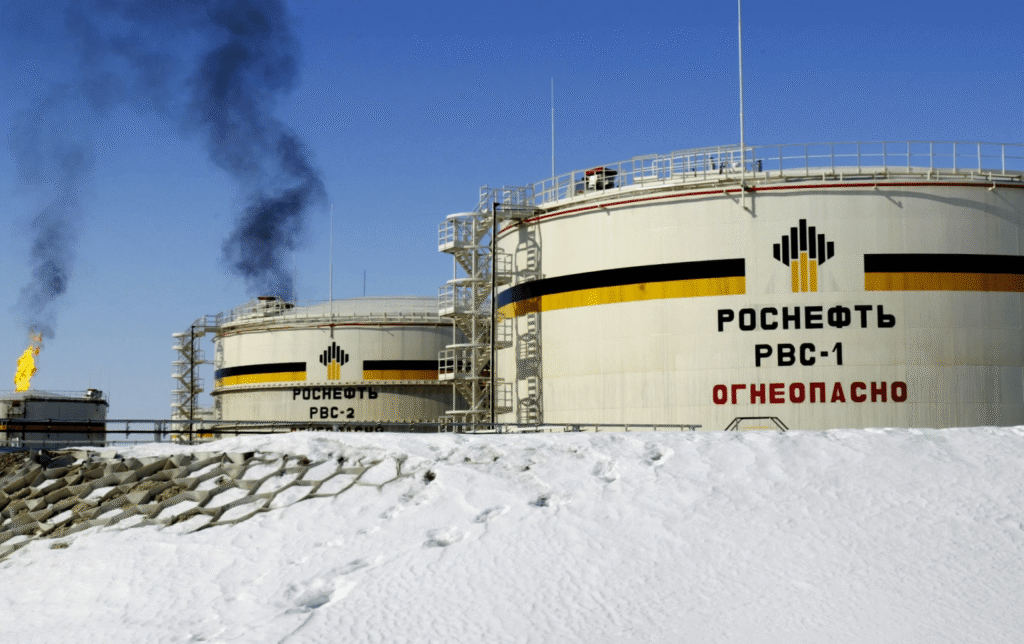
How Moscow and Hanoi bypass US sanctions
Here’s how the arrangement works:
- Vietnam sends profits from the Siberian oil project to Moscow.
- Russia uses those funds to offset Hanoi’s defense debts.
- Extra profits go to Russia’s Zarubezhneft oil company.
- In Vietnam, Zarubezhneft sends equal funds back to PetroVietnam.
The cycle keeps money inside Russia and Vietnam. No cross-border banking transfers occur.
Analysts say this approach is more advanced than traditional counter-trade deals. Evan Laksmana, a defense expert with the International Institute for Strategic Studies, called it “next-level stuff.”
Risks for Vietnam’s ties with Washington
The revelation comes at a sensitive time. The U.S. has tried to strengthen relations with Vietnam as part of its Indo-Pacific strategy. Washington wants to counter China’s growing influence in Southeast Asia.
But Vietnam’s defense partnership with Russia remains deep. Since 2011, Russia has extended billions of dollars in defense credit. New contracts signed in 2023 included fighter jets and naval frigates.
If Hanoi continues with Russian arms deals, it risks sanctions under the U.S. CAATSA law. That measure allows Washington to punish countries that buy weapons from Russia’s defense sector.
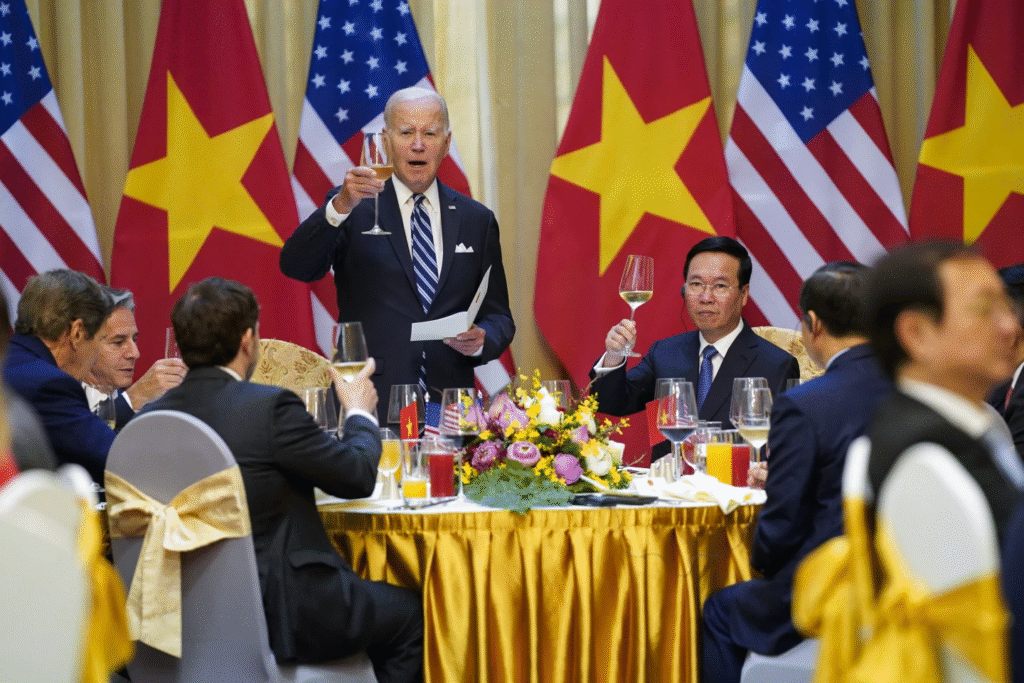
What leaked documents reveal about defense financing
The Associated Press reviewed two sets of government documents. One, dated March 2023, warned of possible U.S. sanctions. Another, from June 2024, described the oil-for-arms repayment method in detail.
Vietnamese officials privately admit that they fear penalties. Yet they argue the U.S. values Hanoi’s role as a counterweight to China. One document suggested Washington might avoid punishing Vietnam to protect its Indo-Pacific strategy.
Western diplomats in Hanoi told AP they long suspected a hidden deal existed. The new documents confirm their suspicions.
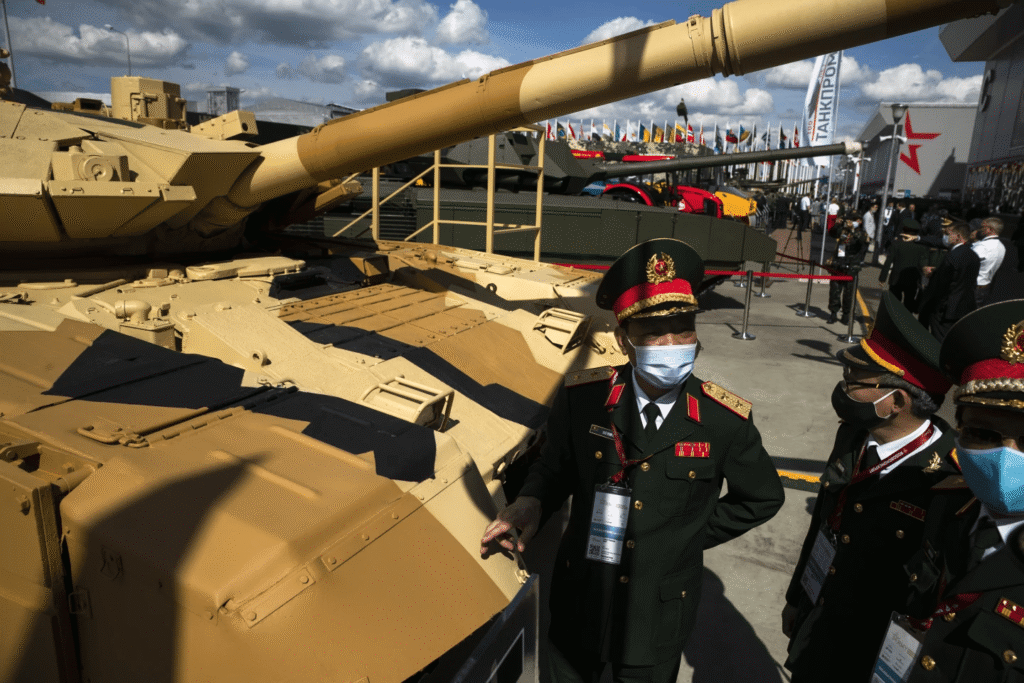
Expert analysis of the Russia Vietnam arms deals sanctions issue
Independent analysts say the arrangement is designed to survive new U.S. and EU sanctions. Ben Hilgenstock, an economist with the Kyiv School of Economics, noted that countries often over-comply with American rules. By avoiding international transfers, Vietnam and Russia protect themselves from unpredictable penalties.
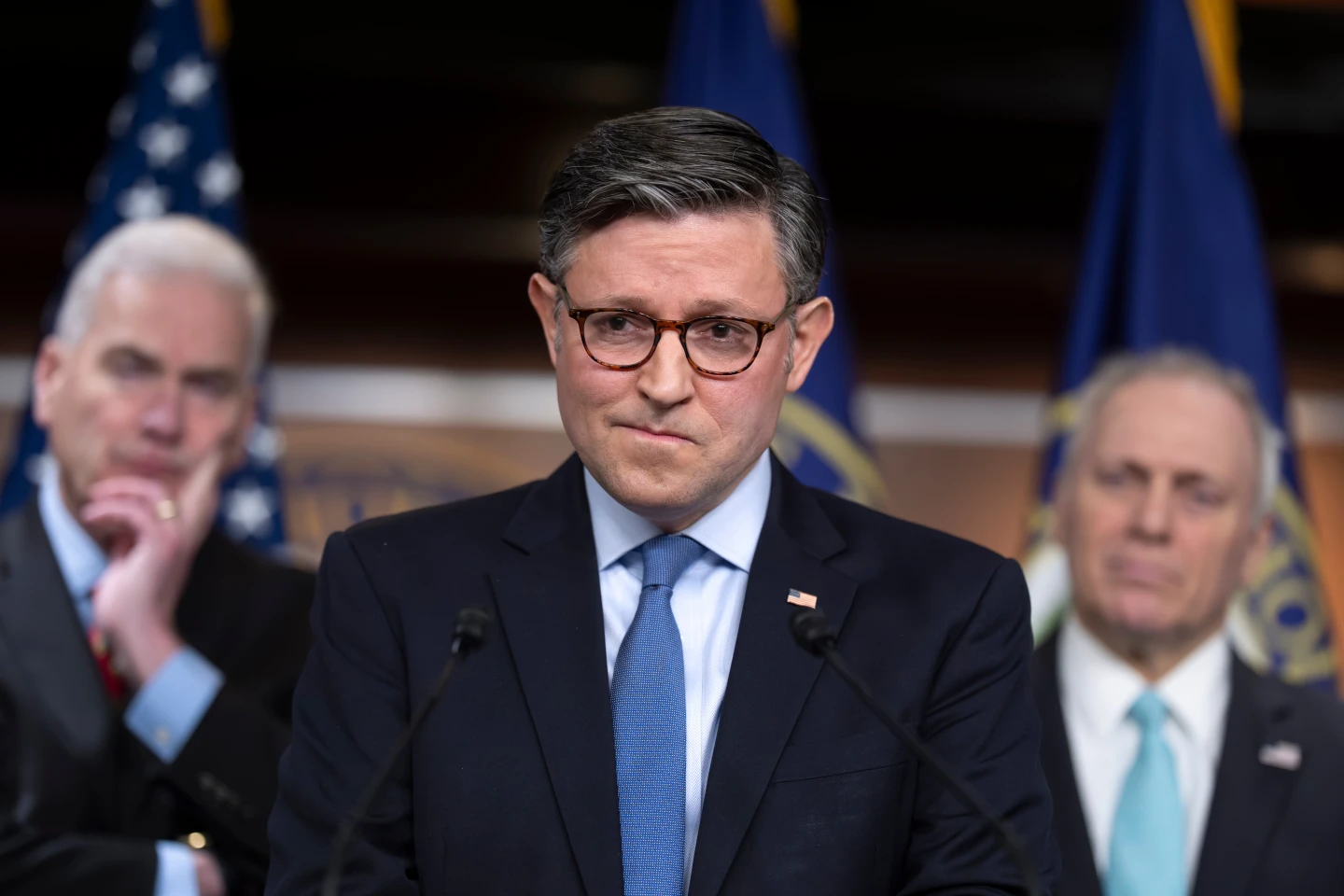
Huong Le-Thu, deputy director at the International Crisis Group, warned that Vietnam faces new risks. “Being too close to Russia will not be well received in European capitals,” she said. She also noted that the current U.S. administration is more transactional. That makes leniency less likely.
Future of Russia Vietnam defense cooperation
Vietnam’s military remains one of Southeast Asia’s strongest. Much of its equipment comes from Russia. This dependency means Hanoi cannot easily shift suppliers. Spare parts, training, and service contracts tie its armed forces to Moscow for years.
At the same time, U.S.-Vietnam defense cooperation has grown since Washington lifted its arms embargo in 2016. The two countries upgraded ties to a Comprehensive Strategic Partnership in 2023.
Balancing these relationships will test Hanoi’s diplomacy. Choosing Russia could bring sanctions. Leaning toward Washington could weaken a decades-long defense partnership.
Conclusion: A growing challenge for U.S. diplomacy
The Russia Vietnam arms deals sanctions issue exposes how countries adapt under pressure. By using energy profits to bypass global banking systems, Moscow and Hanoi protect their cooperation while challenging U.S. authority.
For Washington, the revelation is a test. Can the U.S. maintain its Indo-Pacific strategy and its credibility on sanctions at the same time? Or will Vietnam continue to play both sides—strengthening ties with the U.S. while keeping Moscow close?
The leaked documents suggest that Hanoi is not ready to abandon Russia. That choice could force the U.S. to make hard decisions on sanctions and strategy in Asia.


Leave a Reply