


The Seditious Behavior Claims made by President Donald Trump have sparked intense political and legal debate across the nation. Trump accused six Democratic lawmakers of “sedition punishable by death” after they released a video urging U.S. military members to uphold the Constitution and refuse illegal orders. The remarks have escalated tensions, raising questions about free speech, military duty, and presidential rhetoric.
Lawmakers Urge Service Members to Follow Constitution
The controversy began when Senator Elissa Slotkin and five other Democratic lawmakers, all military or intelligence veterans, released a video. They encouraged service members to reject illegal orders and stand by the Constitution. Slotkin emphasized the pressure military personnel face and called for constitutional loyalty over political obedience.
The video, now widely circulated, did not mention specific orders. However, it arrived amid rising concerns over the administration’s military deployments in U.S. cities. The lawmakers urged troops to “stand up for our laws,” emphasizing duty over partisanship. Their closing message, “Don’t give up the ship,” echoed a historic military phrase symbolizing honor and resilience.
Trump Responds with Severe Accusations
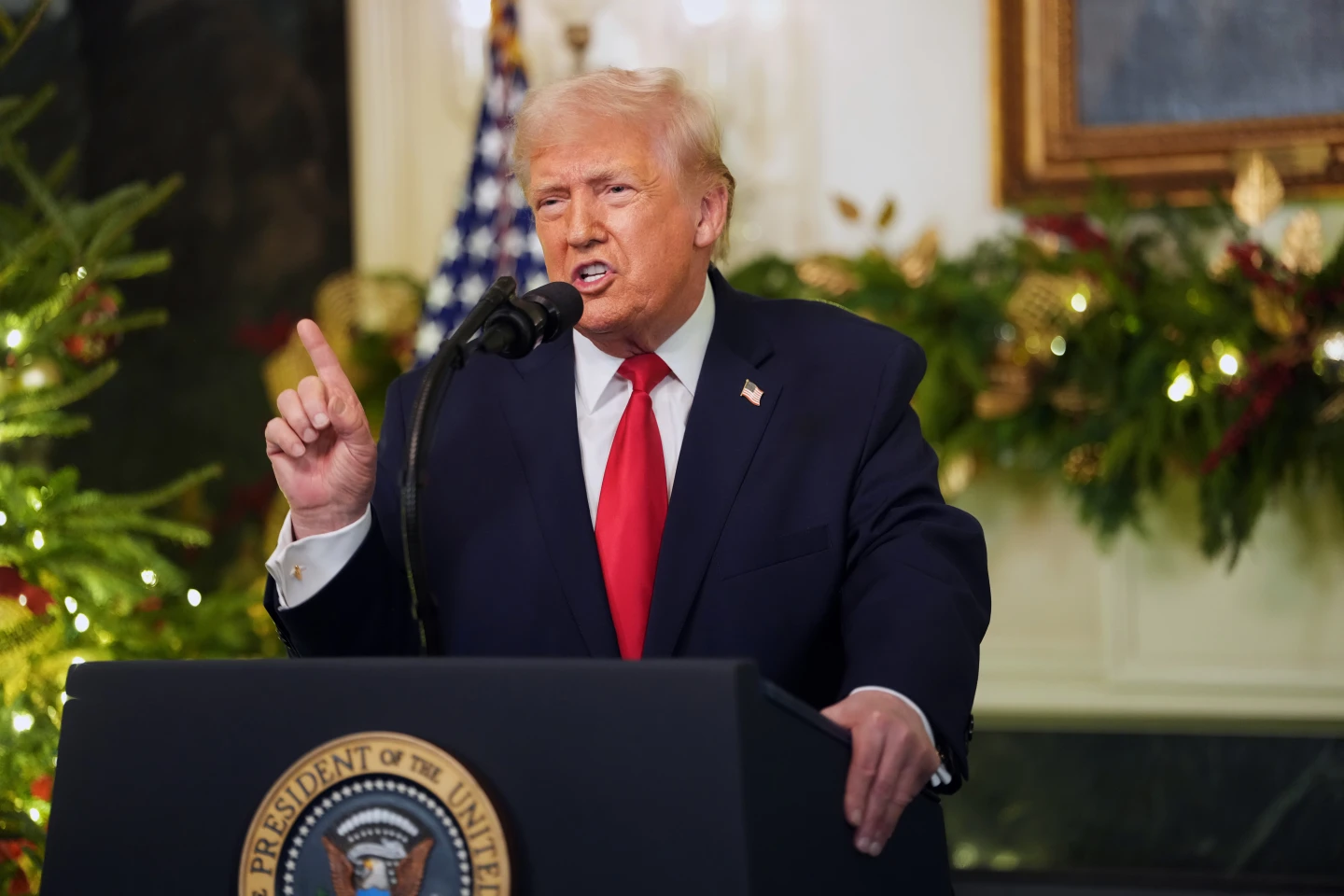
President Trump reacted strongly, reposting commentary on social media that labeled the lawmakers’ message as disloyal and dangerous. He described their actions as “SEDITIOUS BEHAVIOR, punishable by DEATH.” He also amplified posts calling for their arrest and trial. These reactions formed the basis of the Seditious Behavior Claims that quickly dominated political conversation.
Trump’s posts sparked concern and outrage among Democrats, who accused him of using violent rhetoric. Some said he acted like a monarch, aiming to silence dissent and distract from other controversies. Senate Democratic Leader Chuck Schumer warned that Trump was “lighting a match in a country soaked with political gasoline.”
Legal and Military Perspectives
Central to the Seditious Behavior Claims is the question: Can military members refuse orders? Military law states that service members must reject unlawful orders. The Uniform Code of Military Justice requires obedience to lawful commands but allows refusal of illegal directives. However, determining legality can be complicated, especially for lower-ranking service members lacking legal counsel.
Legal experts argue that the video reflected existing doctrine, not sedition. The Steady State, a network of national security experts, stated that refusing illegal orders is standard military practice, not a political statement. They clarified that the lawmakers’ message aligns with military principles.
The White House Response
Press Secretary Karoline Leavitt focused on the lawmakers’ video rather than Trump’s words. She argued their message could be “punishable by law” because it encouraged defiance of the chain of command. According to her, telling troops to ignore lawful orders poses risks to national security. However, the White House insisted Trump was not calling for executions, despite his strong language.
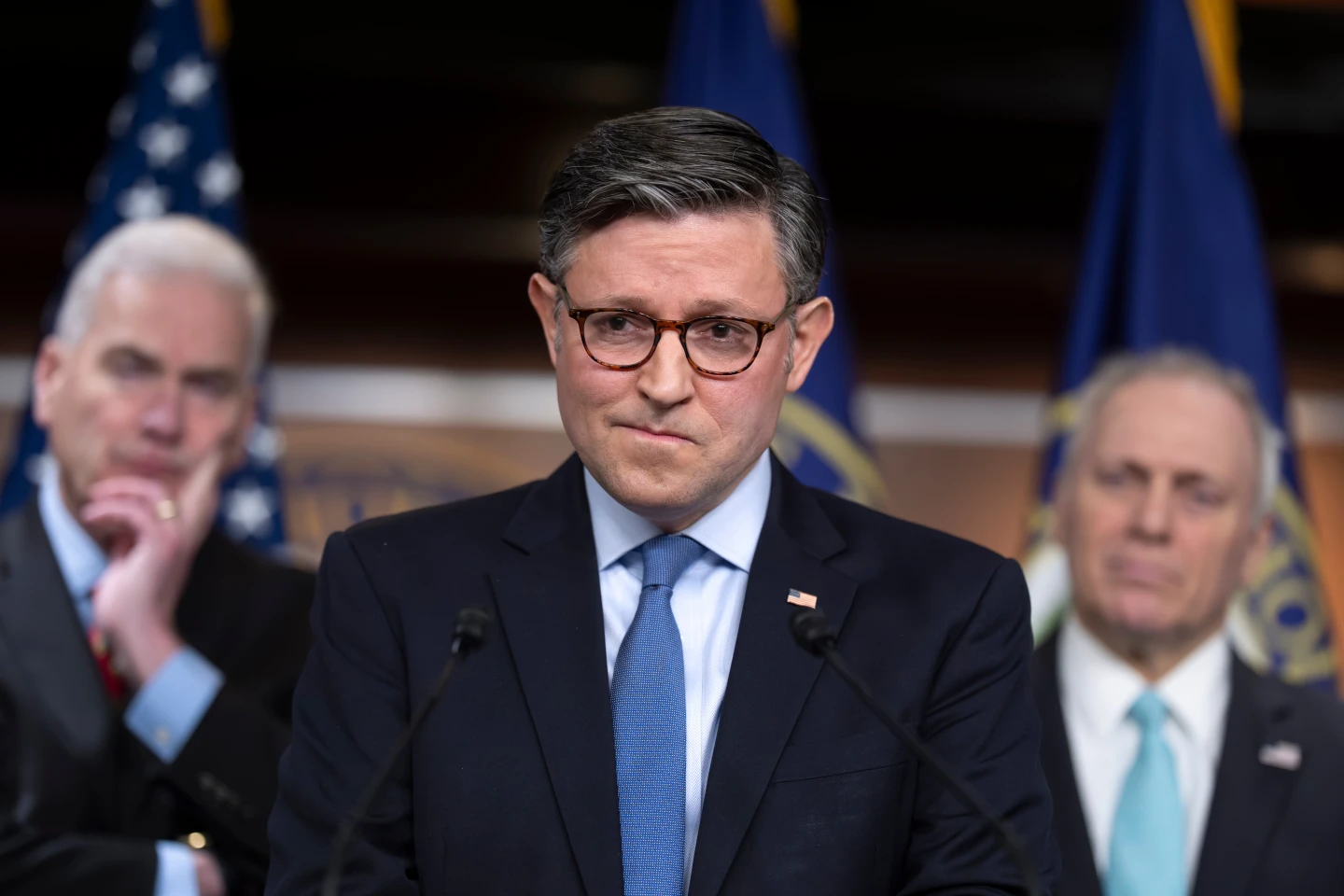
Speaker Mike Johnson also defended Trump, saying he was not inciting violence but “defining a crime.” He called the video “wildly inappropriate,” suggesting it undermined military discipline.
Reactions from Trump Allies
Some of Trump’s allies supported the Seditious Behavior Claims. Stephen Miller called the lawmakers’ message “a general call for rebellion from the CIA and armed services.” Defense Secretary Pete Hegseth labeled it “Stage 4 Trump Derangement Syndrome,” dismissing it as politically motivated outrage.
Pentagon spokesperson Sean Parnell pushed back, stating that the military follows legal orders and respects the Constitution. He called the lawmakers’ message unnecessary and inflammatory.
National Impact and Ongoing Debate
The Seditious Behavior Claims reveal deep divides about military loyalty, free speech, and political accountability. Supporters of the lawmakers argue they were defending constitutional principles. Trump’s supporters claim the video encourages disorder within military ranks.
This debate highlights the increasing tension between political rhetoric and constitutional responsibility. It raises concerns about how leaders communicate in times of national stress and how military members should navigate their duties.
Conclusion: A Critical Moment in Political Discourse
The Seditious Behavior Claims emphasize the growing conflict between constitutional duty and political loyalty. They have ignited a broader conversation about free speech, military ethics, and responsible leadership. As the debate continues, Americans are watching closely, aware that words from leaders carry extraordinary weight.


Leave a Reply