


The Senate health standoff is escalating as lawmakers prepare for dueling votes on competing health care plans. Both parties insist their proposal offers the better path forward. Yet neither bill has enough bipartisan support to pass. As a result, millions of Americans could soon face higher premiums. With deadlines looming, the divide grows wider, and frustration rises among voters seeking certainty.
Two Plans, No Agreement
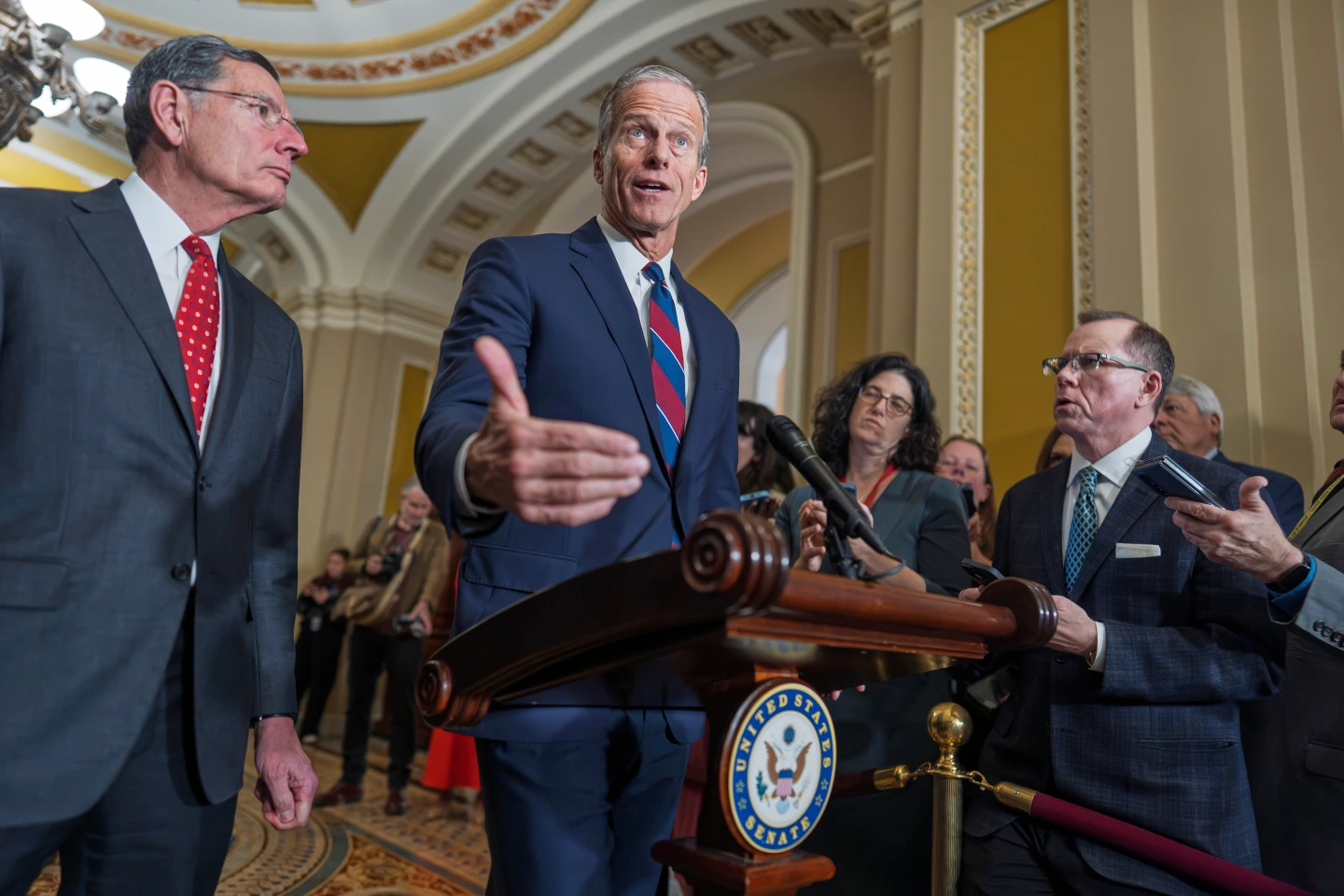
Republicans rallied around a plan that lets COVID-era health subsidies expire. They want new health savings accounts to replace them. Democrats oppose that approach. They instead support a bill to extend the Affordable Care Act tax credits for three more years. Senate Majority Leader John Thune argued that the Democratic bill lacks safeguards against fraud and high-income abuse. He said the bill “will fail.”
Across the aisle, Democratic Leader Chuck Schumer rejected the Republican proposal. He called it “phony” and insisted it is “dead on arrival.” The exchange captures the intensity of the debate. As the standoff deepens, both sides blame each other for the gridlock.
Consequences If Nothing Passes
If Congress fails to act, millions could face immediate cost increases in January. Premiums could spike for the more than 24 million Americans who benefit from the current subsidies. This looming shift adds pressure to a volatile political environment. Because both parties refuse to compromise, the issue now spills directly into the midterm election year.
Republicans say Democrats are responsible for the impasse. Democrats argue that Republicans refuse to engage in real negotiations. The result is a stalemate that affects families who depend on affordable insurance.
Republican Unity After Years of Division
The GOP has struggled for more than a decade to agree on changes to Obamacare. Now, Republican senators appear unified around a single plan. The bill from Senators Bill Cassidy and Mike Crapo combines elements from multiple earlier proposals. Some Republican senators had supported extending the existing credits with new limits. Others preferred different reforms. Despite varied opinions, they lined up behind the Cassidy-Crapo plan this week.
Senators Bernie Moreno and Josh Hawley endorsed the consensus bill even though each had proposed their own options earlier. Hawley acknowledged the plan’s imperfections but said Republicans “can’t do nothing.” He emphasized the need to lower health care costs. Thune said the unified approach gives the party a clear message and a single framework to support.

A Divided House Complicates the Picture
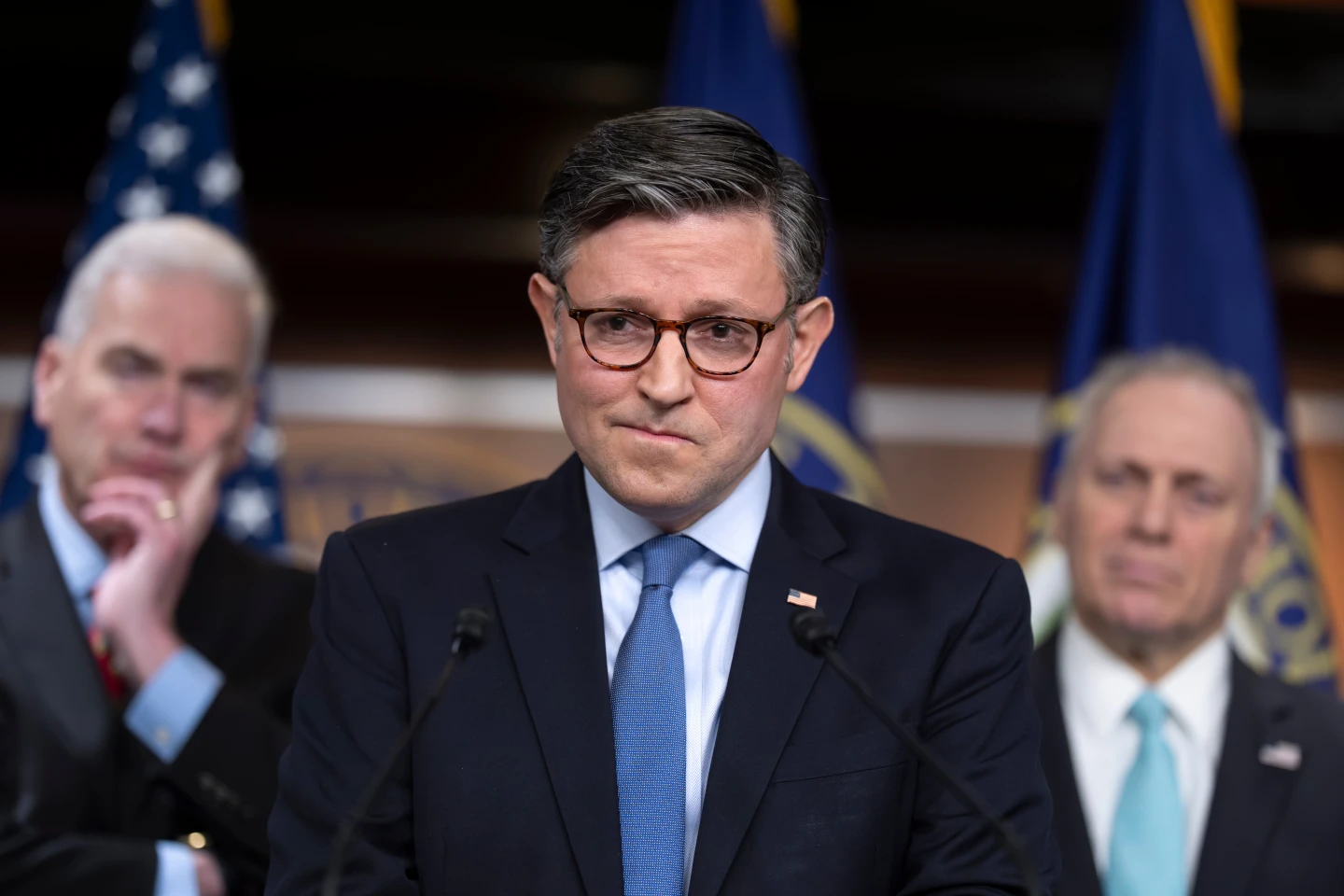
The unity in the Senate does not extend to the House. Moderate Republicans want a compromise to extend subsidies with reforms. Conservative members demand deeper changes to the Affordable Care Act. Speaker Mike Johnson faces pressure from both wings of his caucus. House leaders plan to present options soon, but agreement remains uncertain. The internal tension threatens broader negotiations as the Senate prepares to vote.

The GOP’s Health Savings Account Proposal
The Cassidy-Crapo bill would allow the current subsidies to expire. In their place, the government would make payments directly into new health savings accounts for two years. The plan targets enrollees making less than 700% of the federal poverty level. The assistance applies only to people who choose lower-cost bronze or catastrophic plans.
People ages 18 to 49 would receive $1,000 a year. Those 50 to 64 would receive $1,500. The funds could cover copays, deductibles, and approved health items. They cannot be used for premiums. The Republican message centers on giving people more direct control over their health spending. The plan also includes new limits on how ACA funds can be used for abortion services, which alienates moderate Democrats who might have otherwise negotiated.
Republicans argue that health savings accounts reduce fraud. They cite a Government Accountability Office report showing fake beneficiaries obtained coverage under current rules.
Concerns About Coverage and Costs
Health analysts warn that lower-income enrollees will struggle under the GOP plan. For many, subsidies are the only way to afford monthly premiums. Without them, coverage could become unaffordable. Critics also point out that the GOP plan requires people to choose high-deductible plans. Heavy users of health care may face costs far greater than the value of the new savings accounts.
Democratic Senator Ron Wyden argued that the Republican plan “leaves middle-class Americans saddled with sky-high premiums.” He claimed that insurance companies benefit the most, not consumers. His criticism added fuel to the growing partisan clash.
What Happens Next
With both sides preparing for symbolic votes, the future remains uncertain. Neither bill is expected to pass. Yet each provides political ammunition heading into a critical election season. The Senate health standoff now represents more than health policy. It reflects the broader inability of Congress to compromise on urgent issues that affect millions of families.
The Bigger Picture
The fight underscores a deeper question: how should the nation manage rising health care costs? Both parties claim to have solutions. However, voters see mounting frustration rather than progress. As deadlines approach and premiums threaten to rise, Americans wait for lawmakers to deliver more than political messaging. They need results.





Leave a Reply