


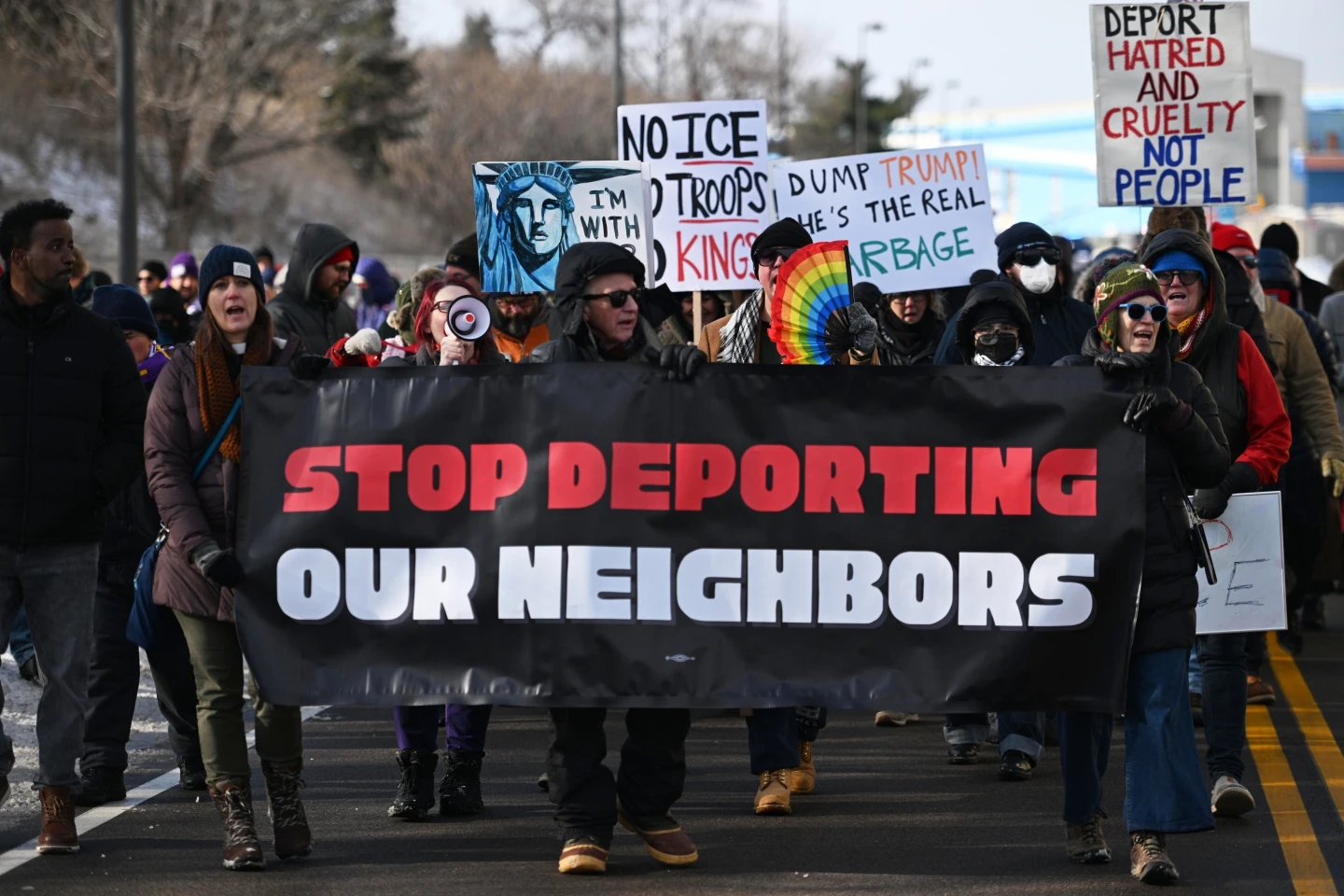
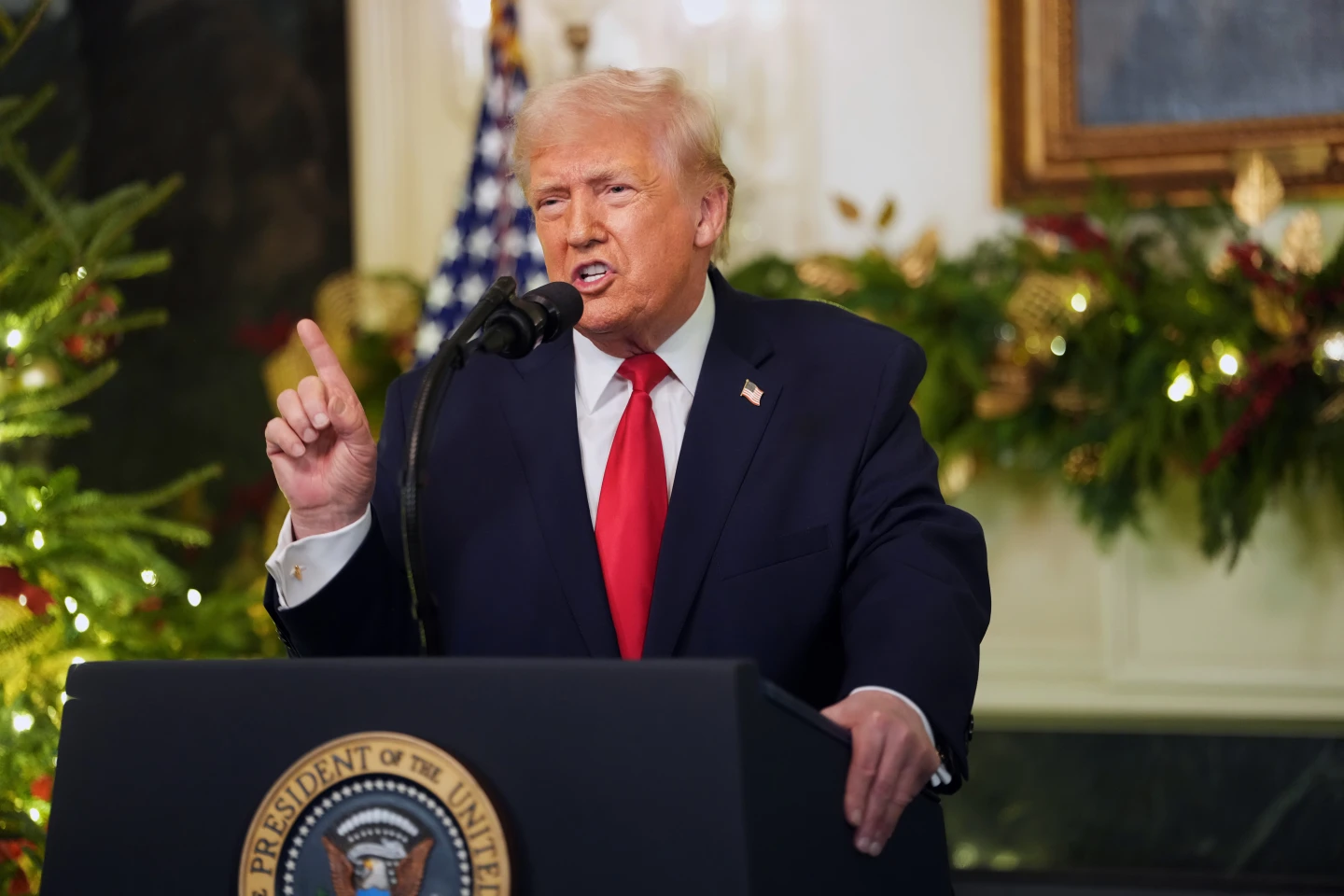
Somali community reaction surged after President Donald Trump delivered harsh remarks that unsettled the nation’s largest Somali population. The comments quickly drew criticism across Minneapolis, and the backlash grew stronger as he repeated the same rhetoric the following day. As the controversy escalated, community members voiced frustration, fear, and exhaustion over what they see as ongoing political targeting.
On Tuesday, Trump claimed Somali immigrants “contribute nothing,” and he escalated his remarks on Wednesday by saying “Somalians should be out of here.” He also targeted Minneapolis Mayor Jacob Frey, calling him a “fool.” Moreover, he mocked Minneapolis for having the largest Somali population in the country. Because of this pattern, community leaders said the comments crossed a line.
Community Voices Push Back
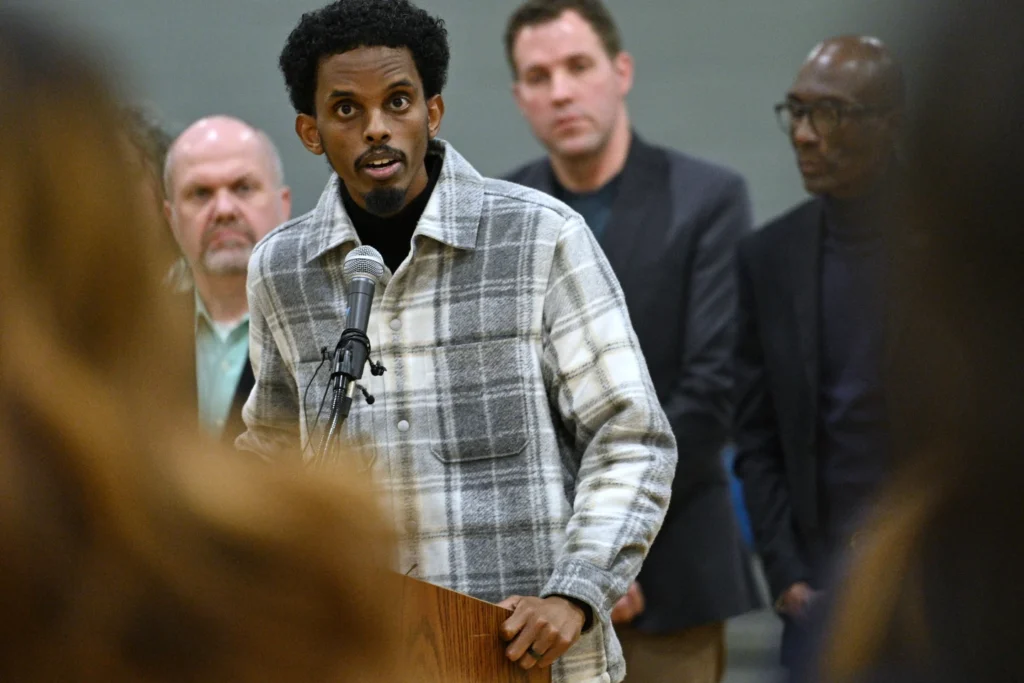
Hamse Warfa, a Minnesota entrepreneur and nonprofit leader, offered a sharp rebuke. He stressed his deep contribution to the region and rejected Trump’s characterization. Furthermore, he highlighted how similar rhetoric targeted Haitian migrants during earlier election cycles. Since political narratives often recycle themes, he believes Somalis are the latest group unfairly weaponized for political gain.
The Somali community reaction reflects a long history of resilience. Refugees first arrived in the 1990s and gradually built businesses, neighborhoods, and political power. Today, more than 84,000 Somali Americans live in the Minneapolis–St. Paul area. They operate restaurants, run nonprofit organizations, and serve in elected office. Additionally, Rep. Ilhan Omar, who Trump labeled “garbage,” represents the district in Congress.
Many residents took the comments personally. They stated that such rhetoric damages their sense of belonging and fuels hostile attitudes toward their families. Consequently, local leaders warned that the tone coming from Washington encourages discrimination and misinformation.
Enforcement Fears Spread
News that federal authorities may launch a targeted enforcement operation in Minnesota intensified anxiety. Several community leaders stated they heard scattered reports of detentions but lacked details. Although most Somalis in Minnesota hold U.S. citizenship, fear spread quickly. Since immigration enforcement actions can create confusion, residents urged authorities to clarify their intentions.
Furthermore, the administration paused immigration applications from multiple countries, including Somalia, after the National Guard shooting in Washington. Even though the suspect was originally from Afghanistan, Trump broadened the criticism to other immigrant groups. His statements contributed to rising worry among families already distressed by shifting federal policies.
The Somali community reaction centered not only on his remarks but also on the unpredictable policy climate. Many families said their daily routines now include conversations about safety, legal status, and long-term security.
Misconceptions and Fraud Allegations
In recent years, several high-profile fraud investigations involved individuals of Somali descent. These cases drew national attention, but many residents believe the coverage exaggerated their scope. Trump recently referred to Minnesota as a “hub of fraudulent money laundering activity,” linking the claims to extremist groups such as al-Shabab. However, prosecutors have not charged defendants with supporting terrorism. Therefore, local leaders argue that the narrative unfairly stigmatizes the entire community.
State officials also challenged these portrayals. While acknowledging the seriousness of fraud cases, they emphasized that wrongdoing by individuals should not define entire populations. Additionally, advocates insist that the focus should remain on facts rather than political narratives.
Leaders Rally to Support Residents
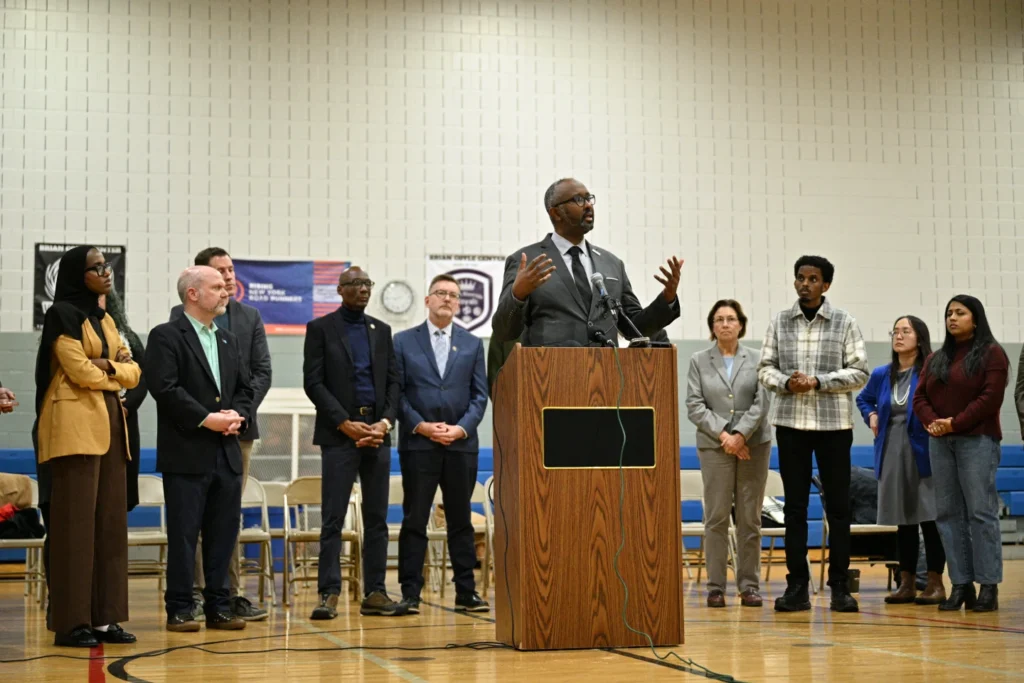
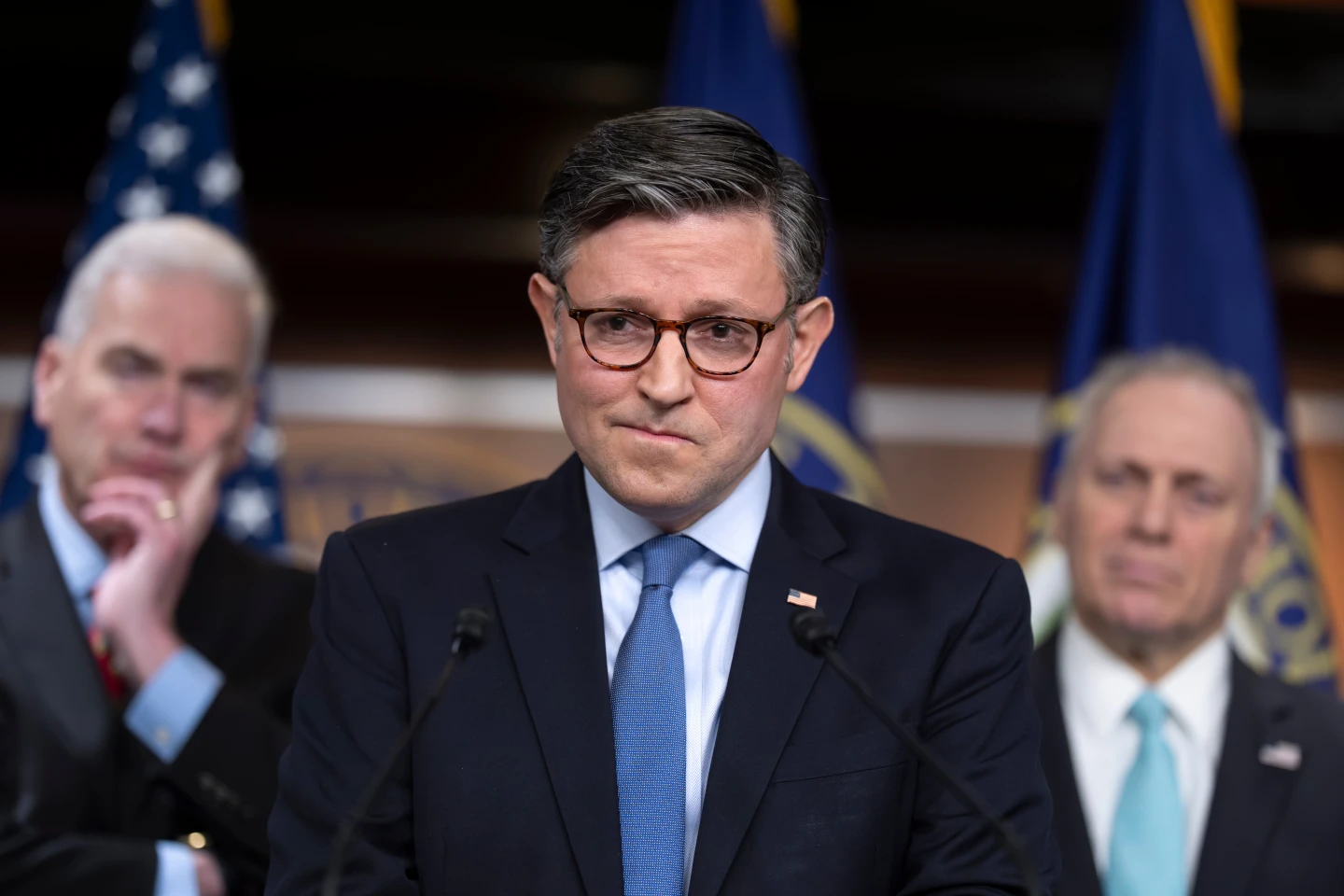
Minnesota leaders quickly responded to reassure Somali families. Governor Tim Walz and Mayor Frey reiterated that Minneapolis welcomes its residents and will continue safeguarding their rights. Likewise, Democratic legislators held a news conference urging Republican lawmakers to denounce Trump’s rhetoric. They argued that silence enables harmful narratives to spread.
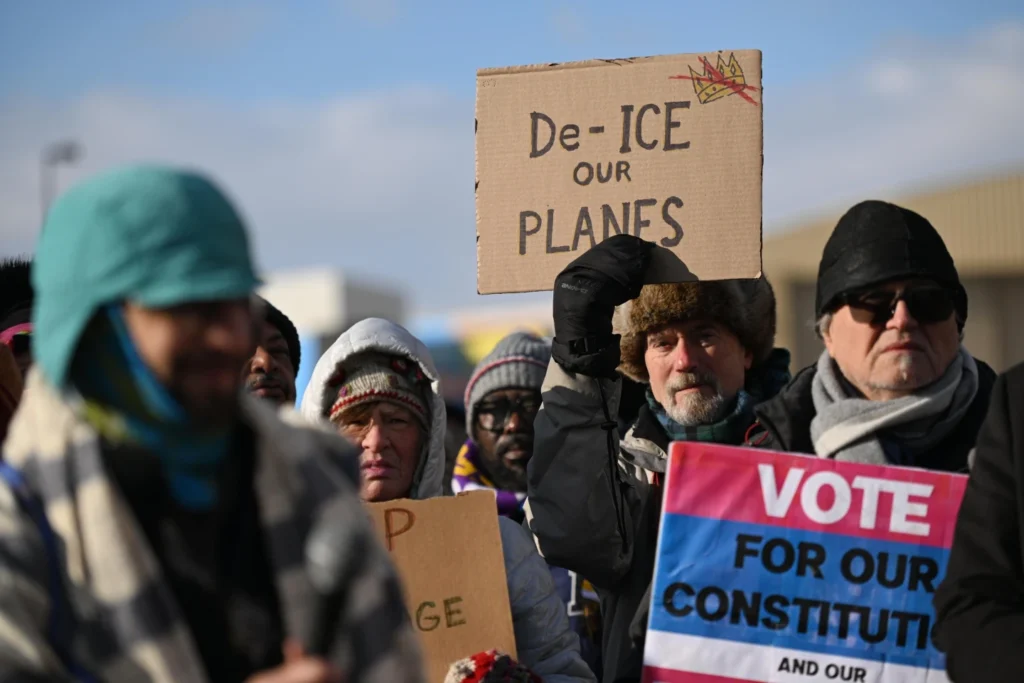
Zaynab Mohamed, a Minnesota state senator, questioned why Republican leaders refused to speak out. She argued that history will remember their choices. Meanwhile, community organizations mobilized to provide know-your-rights training, emotional support, and safe spaces for discussion.
The Somali community reaction also included calls for unity across racial and immigrant groups. Leaders said such solidarity is crucial to counter rising hostility and misinformation.
Human Impact Behind the Headlines
As political tensions intensified, many Somali Americans said the controversy affected their personal lives. Warfa shared that he wanted to focus on his daughter’s college search rather than respond to degrading remarks from national leaders. His story reflected a broader sentiment: many families feel worn down by repeated political attacks.
Furthermore, young Somali Americans worry that the rhetoric shapes how classmates, coworkers, and future employers perceive them. Because identity and belonging matter deeply, they fear long-term damage to their community’s reputation.
Despite these challenges, residents say they will continue building their lives, strengthening neighborhoods, and contributing to Minnesota’s economy. Their determination remains strong even as national politics inflame tensions.
A Community Defining Its Future
Ultimately, the Somali community reaction signals a turning point. Residents are speaking out with renewed determination. They are demanding dignity, representation, and truth in public dialogue. Although political rhetoric may intensify in election cycles, community leaders believe their visibility and civic engagement can reshape the narrative.
They emphasize that Somali Americans enrich Minnesota culturally, economically, and politically. Therefore, they assert that hateful speech cannot diminish decades of hard-earned progress. While Trump’s comments delivered a shock, they also strengthened the resolve of thousands who call Minnesota home.

Leave a Reply