



The Tennessee election drew national attention because it revealed shifting voter behavior in a traditionally conservative district. Matt Van Epps secured the U.S. House seat with strong support from President Donald Trump. His victory margin, however, was smaller than expected. This trend energized Democrats, who see new opportunities heading into the midterms.
A Veteran Candidate Steps Forward
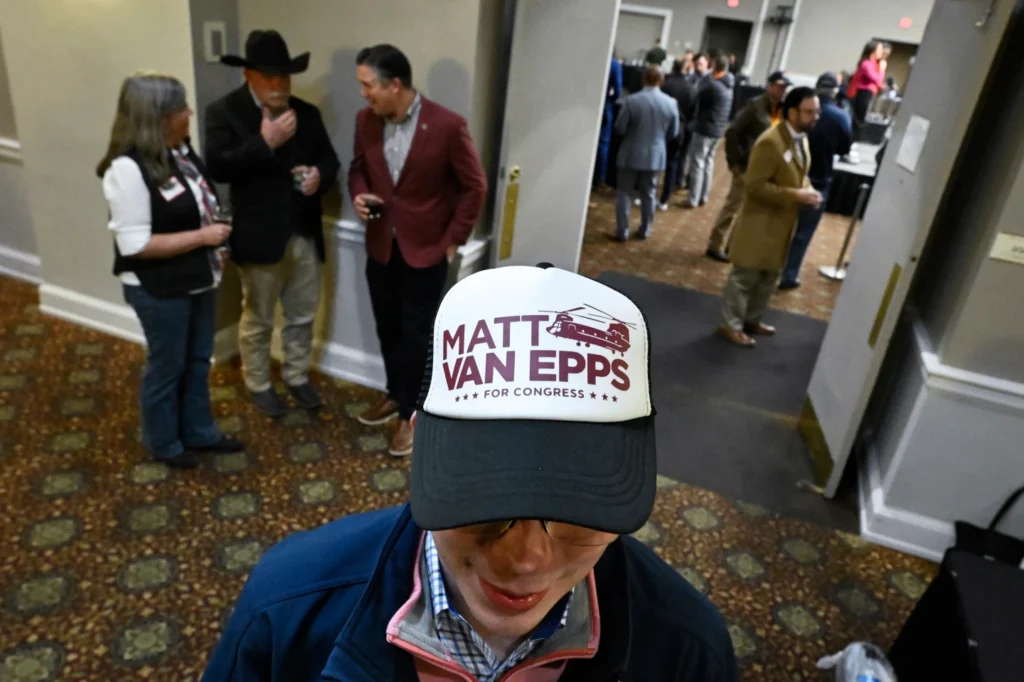
Van Epps, a military veteran and former commissioner, defeated Democratic state Rep. Aftyn Behn. He won by roughly nine points with nearly all precincts reporting. Last year, Republicans carried the same seat by more than twenty points. This drop sparked conversations about voter enthusiasm and political direction across Tennessee.

Progressive Energy Rises
Behn energized her base with a progressive message. She dominated Davidson County, where Nashville voters consistently lean Democratic. She told supporters that the outcome marked the beginning of a new political chapter. Her campaign highlighted how Republicans redrew the district to limit Democratic influence. Even so, she came much closer than national leaders expected.
Momentum Shifts for Both Parties
Democratic leaders said the results proved that Republicans are vulnerable. They pointed to recent Democratic wins in states like New Jersey and Virginia as evidence of broader momentum. Republican leaders, meanwhile, argued that voters still support Trump-aligned candidates. They emphasized that Van Epps’ win reflected traditional conservative strength.

National Money and Attention Flooded In
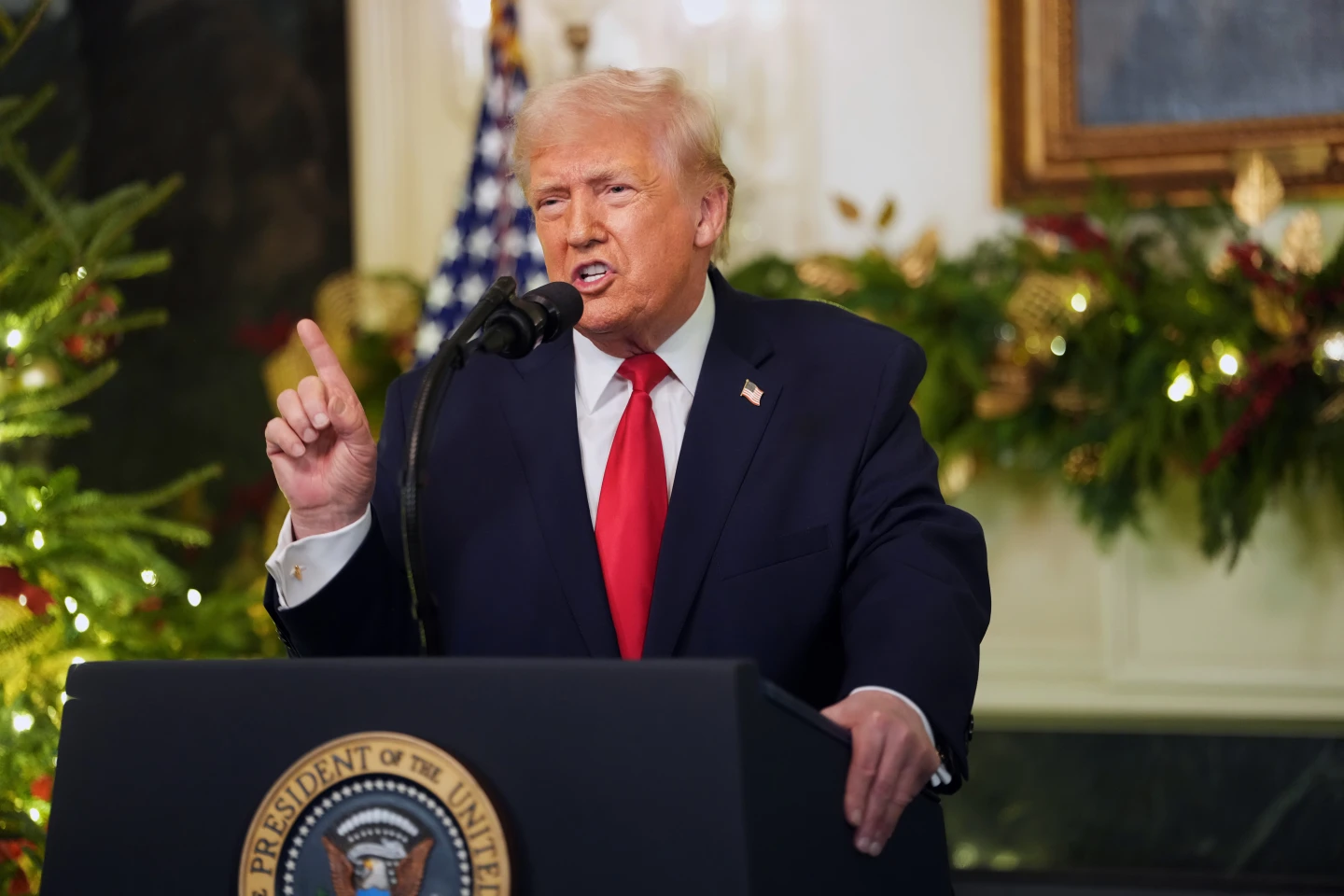
Political groups funneled significant funds into the Tennessee election. MAGA Inc. spent nearly $1.7 million backing Van Epps. Much of that went into digital ads targeted toward online audiences. Republicans also rallied support in person and through tele-events. Trump personally called into rallies and urged voters to back Van Epps.
Democrats countered with their own high-profile support. The House Majority PAC invested heavily. Kamala Harris, Al Gore, and Alexandria Ocasio-Cortez joined in various events to energize Behn’s supporters.
Campaign Strategies Made a Difference
Van Epps leaned into his alliance with Trump. He promised to fully back the president’s policies and framed Democrats as out of touch with Tennessee values. This strategy helped him dominate rural and conservative counties.
Behn focused on economic concerns, arguing that current policies favor corporations and wealthy individuals. Republicans responded with ads highlighting statements she made about being “radical” and her criticism of Nashville tourism. These messages resonated with voters who worried about local identity and culture.

Voter Motivation Remained Intense
Many voters came out because they believed the political stakes were high. Some said they backed Van Epps because of Trump’s endorsement. Others voted for Behn because they wanted new leadership and economic change. The special election’s timing—right after Thanksgiving—added challenges, but turnout remained strong.
What the Results Mean for 2026
The Tennessee election signaled that both parties face shifting challenges. Republicans held the seat but with a reduced margin. Democrats showed they can compete even in difficult districts. As the midterms approach, both sides will reassess strategies, messaging, and voter outreach. The political landscape in Tennessee is changing, and national observers will be watching closely.





Leave a Reply