


Introduction
The Trump Oval Office meeting meant to stop a looming government shutdown turned into a political spectacle. What could have been a serious discussion on federal funding became another viral moment when red “Trump 2028” hats appeared on the president’s desk — followed later by an offensive online video mocking Democratic leaders.
Despite the theatrics, no breakthrough emerged. The federal government still moved closer to a shutdown, and tensions between President Donald Trump and Congress only deepened.
Hats, Humor, and High Stakes
Halfway through the meeting, Trump placed two red hats across from his guests. The caps read “Trump 2028.” Vice President JD Vance, seated nearby, looked on as House Democratic Leader Hakeem Jeffries leaned over and joked, “Hey bro, you got a problem with this?”
The room laughed briefly, but the tone quickly shifted. Jeffries later told reporters it felt like “the random-most thing in the world.” The Trump Oval Office meeting, meant to solve a national crisis, “turned into theatrics,” he said.
For Trump, it was vintage performance — using humor and surprise to unsettle opponents. But for congressional leaders, it highlighted his dismissive approach toward bipartisan talks.
Historic First Meeting Turns into Political Show
This was the first “Big Four” meeting of Trump’s second term — bringing together House and Senate leaders from both parties. It should have marked a moment of cooperation. Instead, it became another viral headline about Trump trolling his rivals.
The hour-long Trump Oval Office meeting ended without a deal. Hours later, Trump admitted, “We don’t want it to shut down,” but no agreement came before the midnight deadline.
Democrats saw the hats and cameras as a sign that the president was focused more on optics than outcomes. “We were there to talk about real issues,” Jeffries said. “But it all felt like a show.”
The Debate Over Health Care Funding
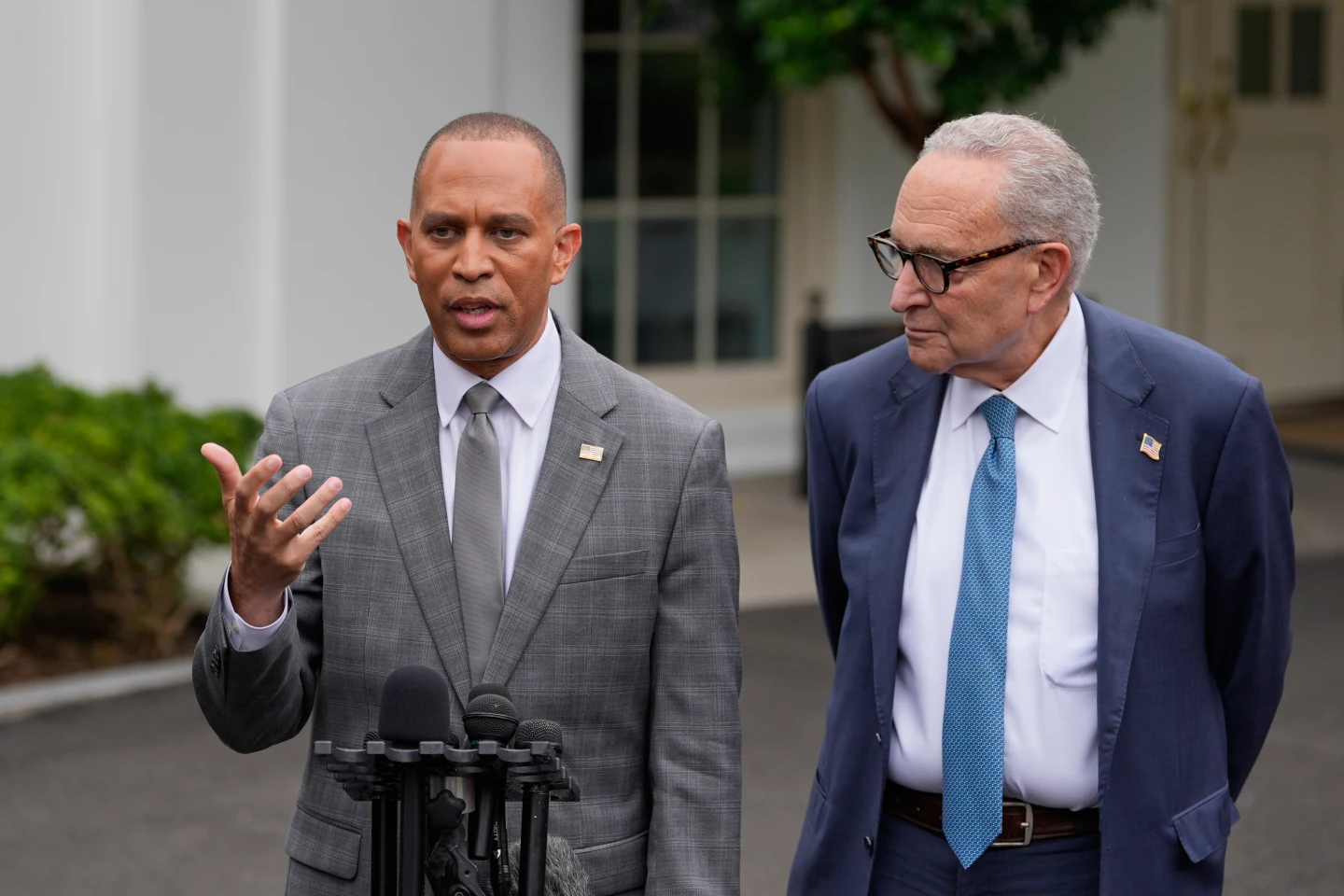
At the center of the talks was a major dispute over health care subsidies. Senate Democratic Leader Chuck Schumer and Jeffries urged Trump to protect the Affordable Care Act’s premium support program, which was set to expire at year’s end.
They warned that without renewal, insurance premiums could double. Trump reportedly listened more than he spoke, appearing unfamiliar with the full scope of the issue. “He didn’t seem to know about the health care premiums going up,” Schumer said afterward.
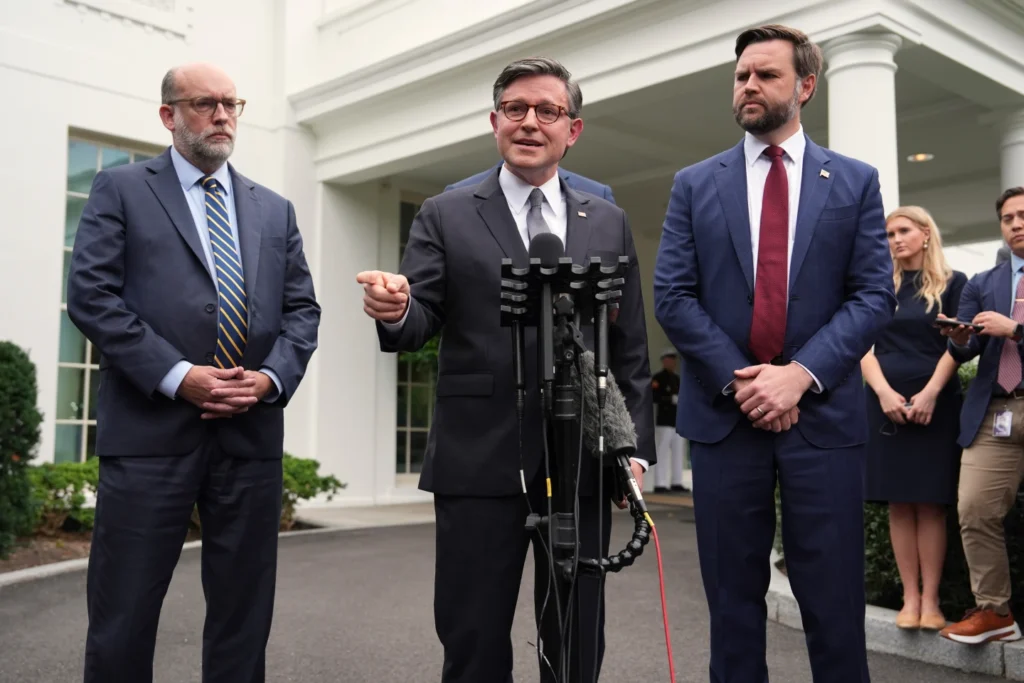
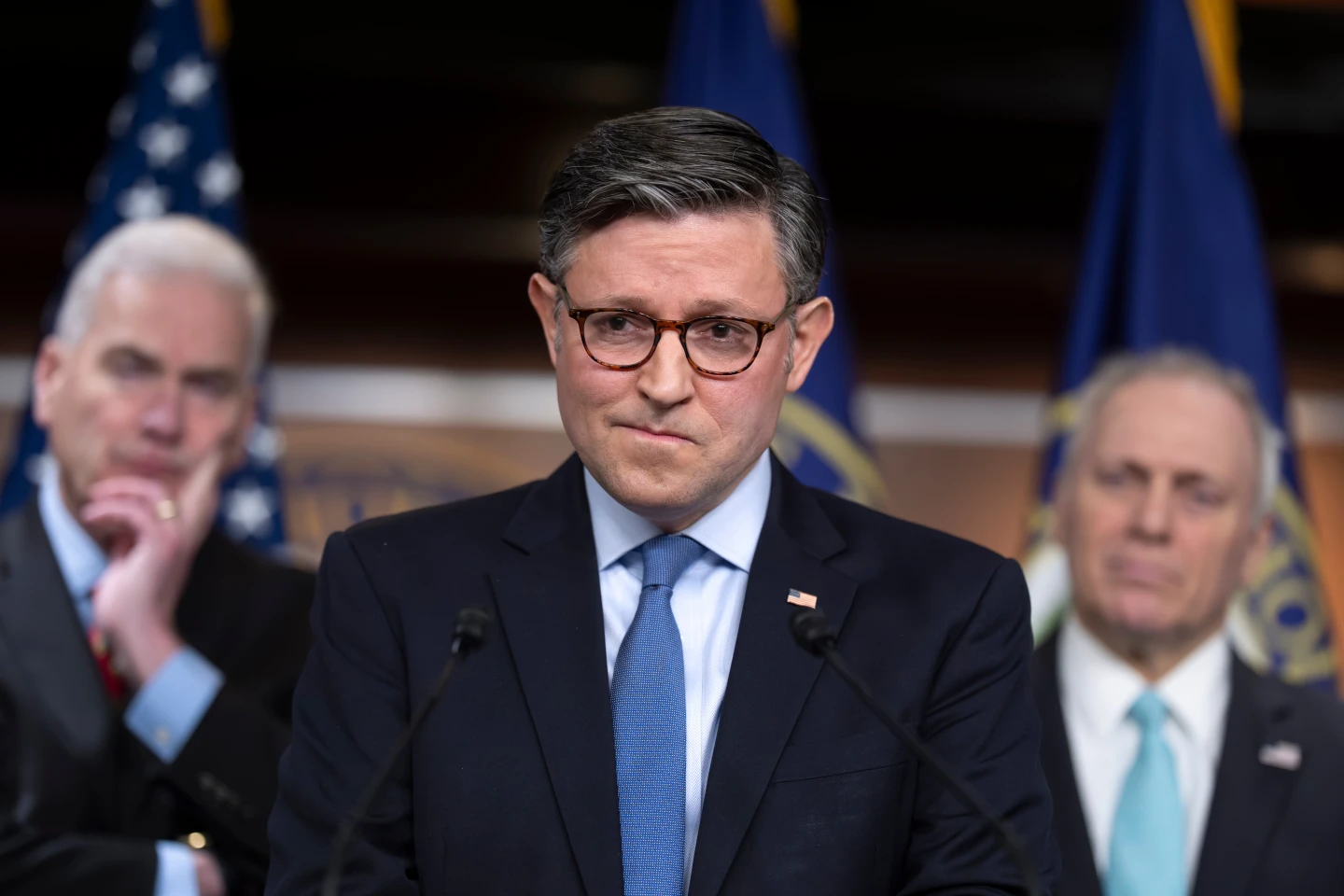
Republican leaders, including Speaker Mike Johnson and Senate Majority Leader John Thune, argued that Democrats were politicizing the funding talks. Thune later described the session as “lively,” while Johnson praised Trump’s “strong leadership.”
Still, no compromise emerged.
Trying to Win the President’s Attention
Democrats saw the Trump Oval Office meeting as a rare opportunity to sway the president directly. They hoped he would intervene to protect health care funding and prevent a shutdown.
Republicans, however, viewed the session differently. Johnson had even advised Trump to skip it, calling it a “waste of time.” Trump eventually agreed to meet anyway, perhaps to appear open to dialogue.
For Democrats, it was a familiar pattern. During his first term, Trump often struck last-minute deals with then-Speaker Nancy Pelosi and Schumer to keep the government open. Those moves angered many in his own party.
Now, Republicans are trying to keep tighter control — and prevent Trump from negotiating directly with Democrats again.
Shutdown Politics and Power Plays
As the government teetered on the edge of closure, both sides sought to assign blame. Democrats accused Trump of manufacturing a crisis. Republicans argued that Democratic spending demands left no room for negotiation.
Meanwhile, the president continued to push his broader agenda. Through executive actions and his “One Big Beautiful Bill” tax-and-spending package, Trump has advanced policies cutting taxes, reducing federal jobs, and accelerating deportations.
Yet even with a supportive Congress, he faces limits. Passing annual spending bills still requires bipartisan votes, especially in the Senate — something Trump’s unpredictable style complicates.
The Sombrero Controversy
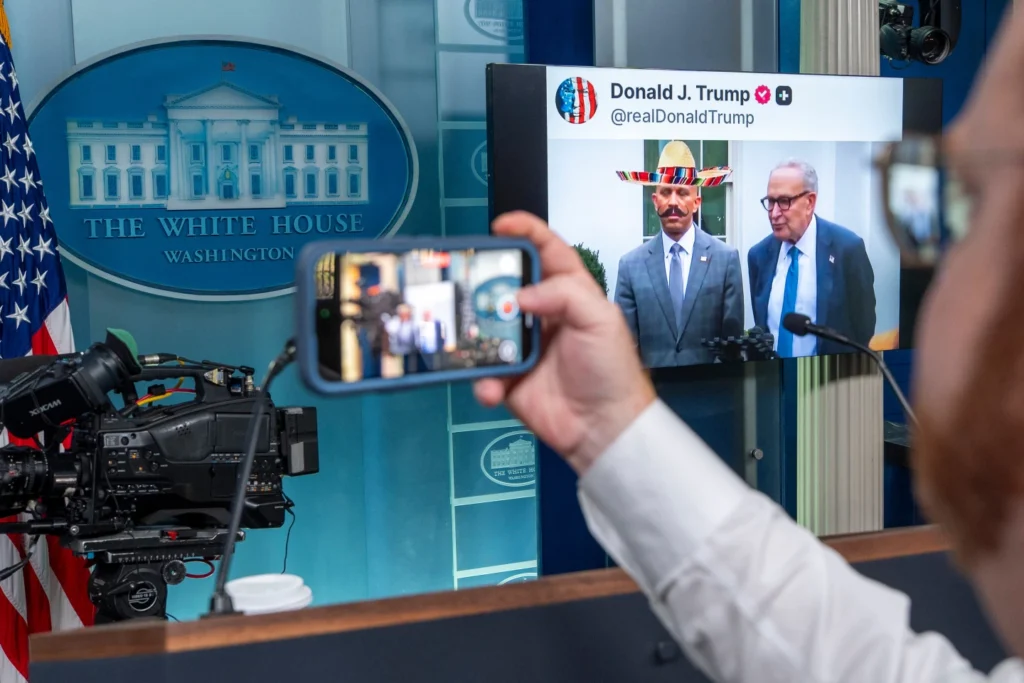
Hours after the meeting, Trump’s team released a doctored video on Truth Social. It showed Schumer and Jeffries outside the White House — with Jeffries’ image altered to include a sombrero and mustache.
The clip sparked outrage, with critics calling it racist and juvenile. “Res ipsa loquitur — the thing speaks for itself,” Jeffries said, invoking a Latin legal phrase from his law career.
He described the video as proof of “unhinged and unserious behavior” from the president. Schumer said it undermined any chance of genuine cooperation moving forward.
White House aides dismissed the backlash as “overblown humor.” But the incident only widened the political rift.
What the Meeting Revealed
The Trump Oval Office meeting showed how deeply divided Washington remains. Even with control of Congress, Trump’s relationship with Democratic leaders is defined more by rivalry than negotiation.
Observers say the president’s approach — part showmanship, part provocation — may rally his supporters but weakens his ability to govern effectively. Political analyst Dana Whitman noted, “Trump thrives on confrontation. But when it comes to compromise, that same energy becomes an obstacle.”
Meanwhile, Democrats are using the failed meeting as evidence that Trump cannot lead through collaboration. “We had a full airing of our positions,” Jeffries said, “but the president chose theater over progress.”
What Happens Next
With the shutdown in effect, both parties face public pressure to find a solution. Congressional aides confirmed that talks are ongoing but stalled. Republicans insist they want long-term spending reforms. Democrats demand that federal workers be paid immediately.
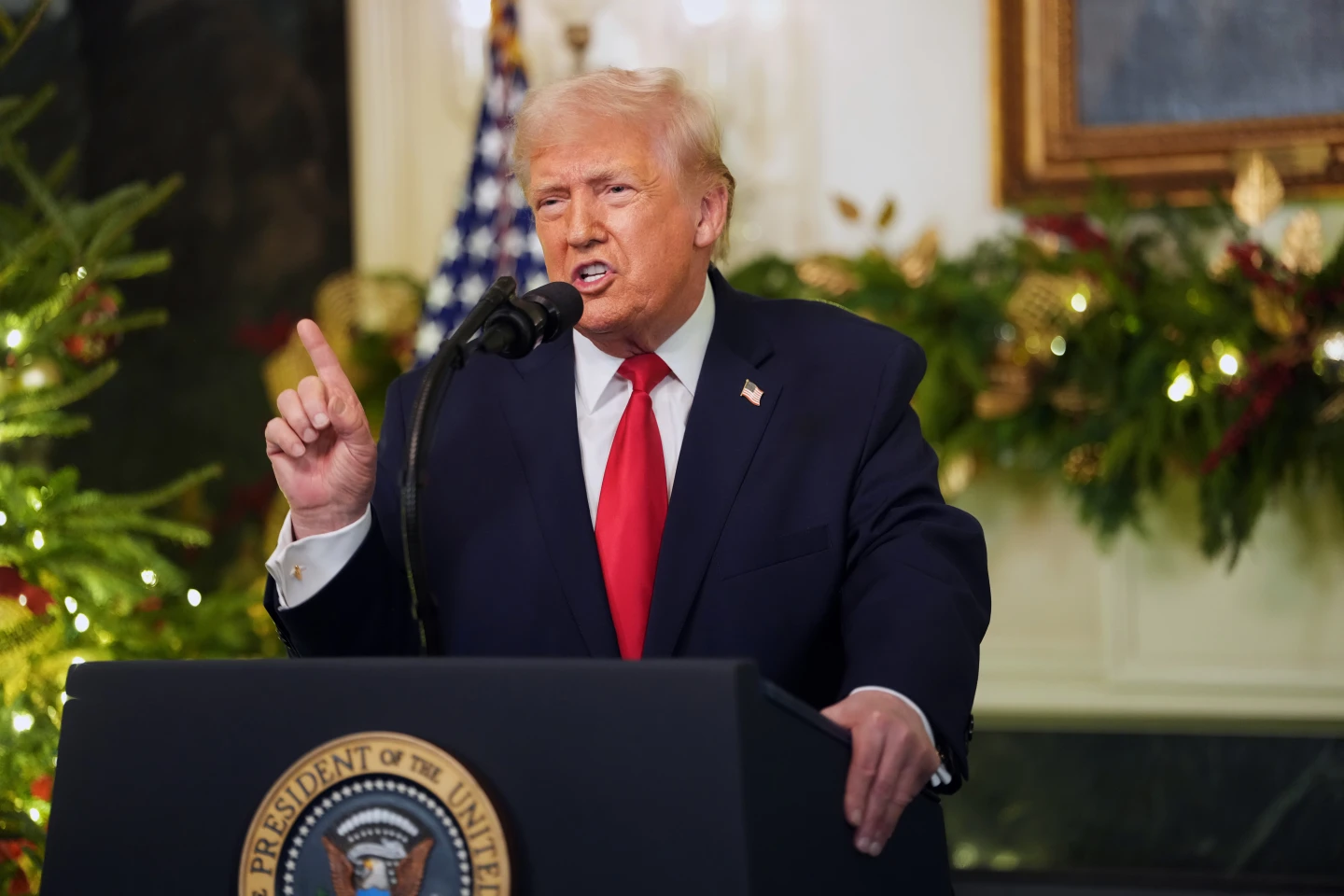
Trump, for his part, has doubled down on his message. He insists the shutdown will “end quickly” once Democrats “get serious.” Yet his decision to highlight Trump 2028 hats — and to circulate mocking videos — suggests he is already looking ahead to the next campaign.
Until then, the government remains partially closed, federal employees await paychecks, and Washington waits for a breakthrough that still seems far away.


Leave a Reply