


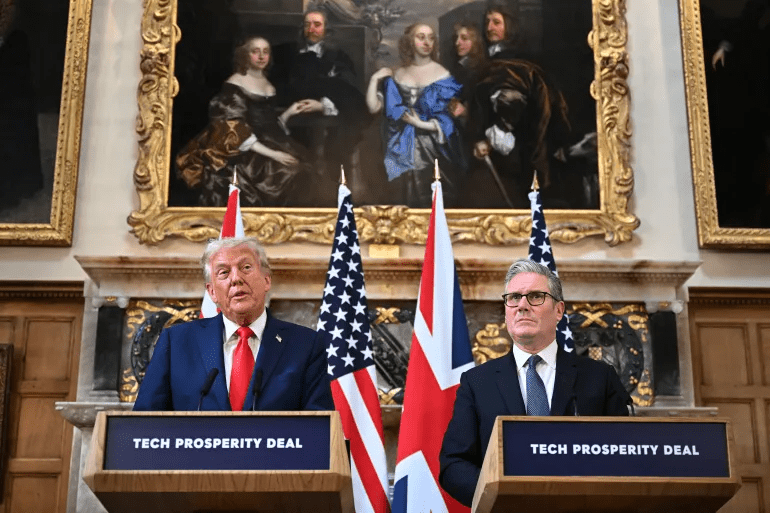
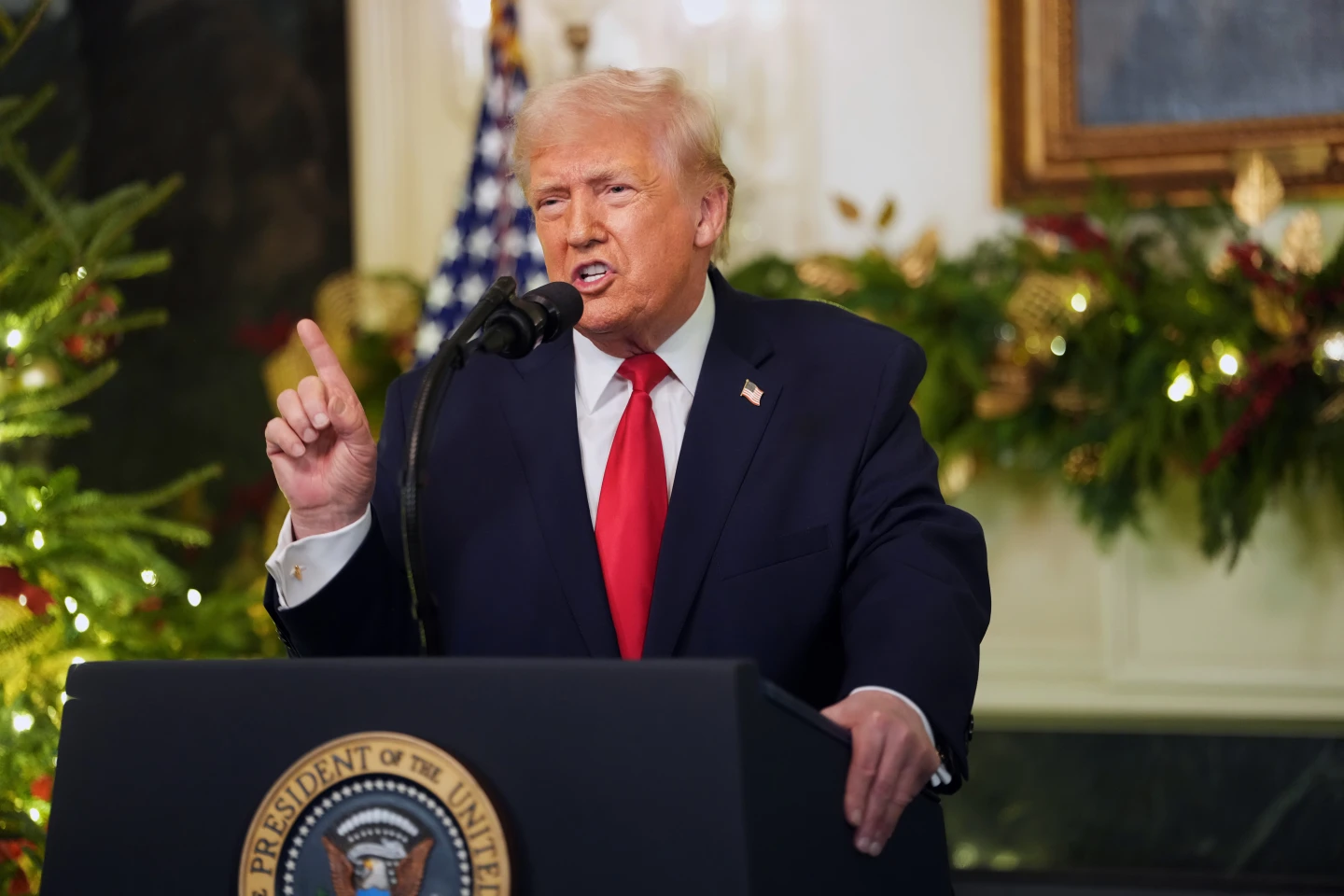
Donald Trump has openly expressed disappointment in Vladimir Putin, saying the Russian president “really let me down” by failing to help end the war in Ukraine. Speaking at Chequers during a joint press conference with UK Prime Minister Sir Keir Starmer, Trump said he once believed the conflict would be the easiest international crisis to resolve.
“I thought this war would be one of the easiest to solve because of my relationship with Putin. But he has really let me down,” Trump told reporters.
The U.S. president revealed that he had hoped his Alaska summit with Putin last month would produce a breakthrough. At that meeting, Trump urged the Russian leader to engage directly with Ukrainian President Volodymyr Zelensky. However, none of his proposed deadlines were met, and peace talks remain stalled.
Trump’s expectations vs reality
Trump explained that his confidence came from personal diplomacy. During his first presidency, he often described his relationship with Putin as strong. He believed that rapport would translate into progress on Ukraine. Instead, Russia has intensified its strikes.
Over the past two weeks, Moscow launched hundreds of missiles, glide bombs, and drones at Ukrainian cities. Ukraine, in turn, has struck Russian energy facilities. The conflict has entered another violent phase with no sign of compromise.
Trump argued that Russia could be forced to settle if oil prices dropped. “If the oil prices come down, then Russia will settle,” he said. He urged European nations to stop purchasing Russian energy, warning that such transactions gave Putin leverage.
Linking war to Biden’s leadership
Trump also suggested the war might never have happened under his first term. Referring to former president Joe Biden, he said: “If I were president, it would have never happened. It didn’t happen for four years, and it wasn’t even close.”
He added that Putin saw Ukraine as “the apple of his eye” but would not have invaded if he respected U.S. leadership. Trump’s remarks reflected a theme he has repeated since returning to office: that American strength and deterrence prevent wars.
Europe’s role in supporting Ukraine
Prime Minister Starmer highlighted European efforts to back Ukraine. “We have built the coalition of the willing with British and French leadership,” he said. “We’re stepping up in military planning in the seas, in the sky, and on the ground.”
Starmer argued that Europe had increased its role in recent months, coordinating sanctions, delivering weapons, and strengthening NATO defenses. His remarks were designed to show unity despite U.S. frustration with energy purchases from Russia.
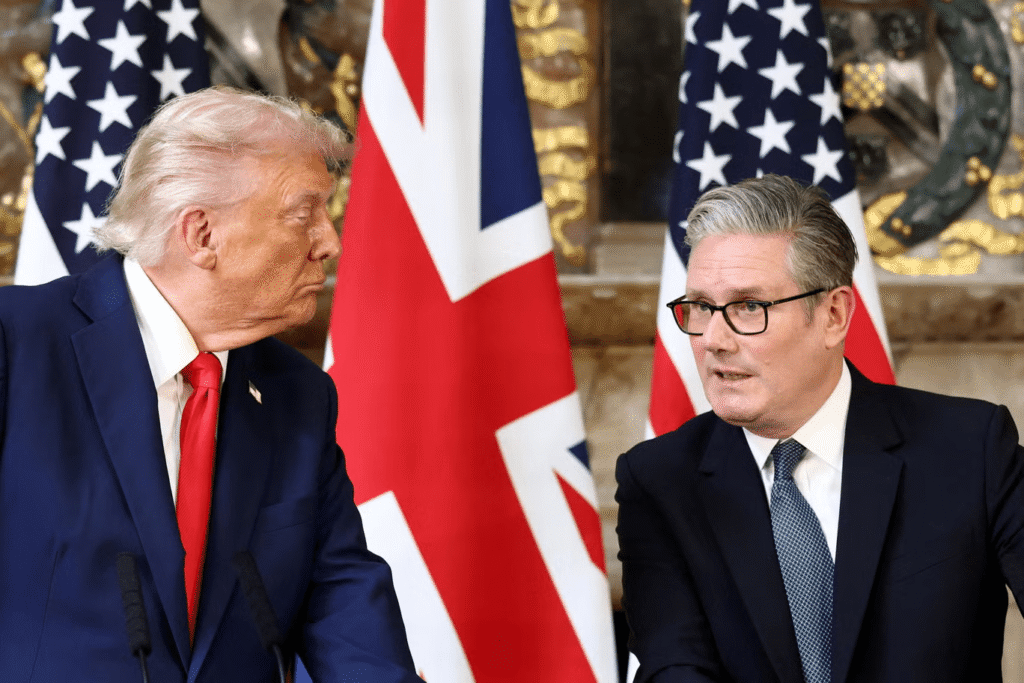
NATO, oil, and sanctions
Last week, Trump took to Truth Social to criticize NATO members still buying Russian oil. “NATO’S commitment to WIN has been far less than 100%, and the purchase of Russian Oil, by some, has been shocking! It weakens bargaining power with Russia. Anyway, I am ready to ‘go’ when you are. Just say when?” he wrote.
The president signaled readiness to impose major sanctions on Moscow but tied them to NATO’s energy policy. Analysts say Trump’s strategy is to pressure European allies into economic moves that directly affect Russia’s war budget.
A rare rebuke of Putin
For much of his career, Trump avoided direct criticism of Putin. His latest statement — “Putin really let me down” — marks one of the strongest rebukes he has made against the Russian leader. It underscores a shift in tone. Trump entered office claiming his personal relationship could resolve the war. He now concedes those efforts have failed.
Foreign policy experts believe this admission could weaken Trump’s bargaining position. It shows that Putin has resisted both pressure and incentives, leaving Washington searching for alternatives.
The broader war outlook
The Ukraine war is entering its fourth year with no end in sight. Russia maintains strong battlefield positions while Ukraine continues to rely heavily on Western military and financial support.
Trump’s comments highlight the limits of personal diplomacy in such conflicts. While he hoped ties with Putin would speed up negotiations, strategic interests and battlefield realities remain dominant.
Analysts warn that if oil prices stay high, Russia will have funds to prolong the war. They also note that Ukraine’s strikes on Russian energy facilities may shift dynamics, though at the risk of further escalation.
Conclusion
Trump says Putin let him down over Ukraine war, reflecting frustration at his inability to convert personal ties into peace. His remarks reveal both disappointment and a warning: without changes in energy policy, the war could continue indefinitely.
For now, Europe is stepping up military and economic support for Kyiv. The United States is weighing stronger sanctions. And Ukraine and Russia remain locked in a deadly struggle.
Trump’s statement may mark a turning point in how Washington addresses Moscow. What was once framed as a “relationship solution” has become a hard lesson about the limits of personal diplomacy.



Leave a Reply