


Trump sends troops to Portland: a turning point in U.S. politics
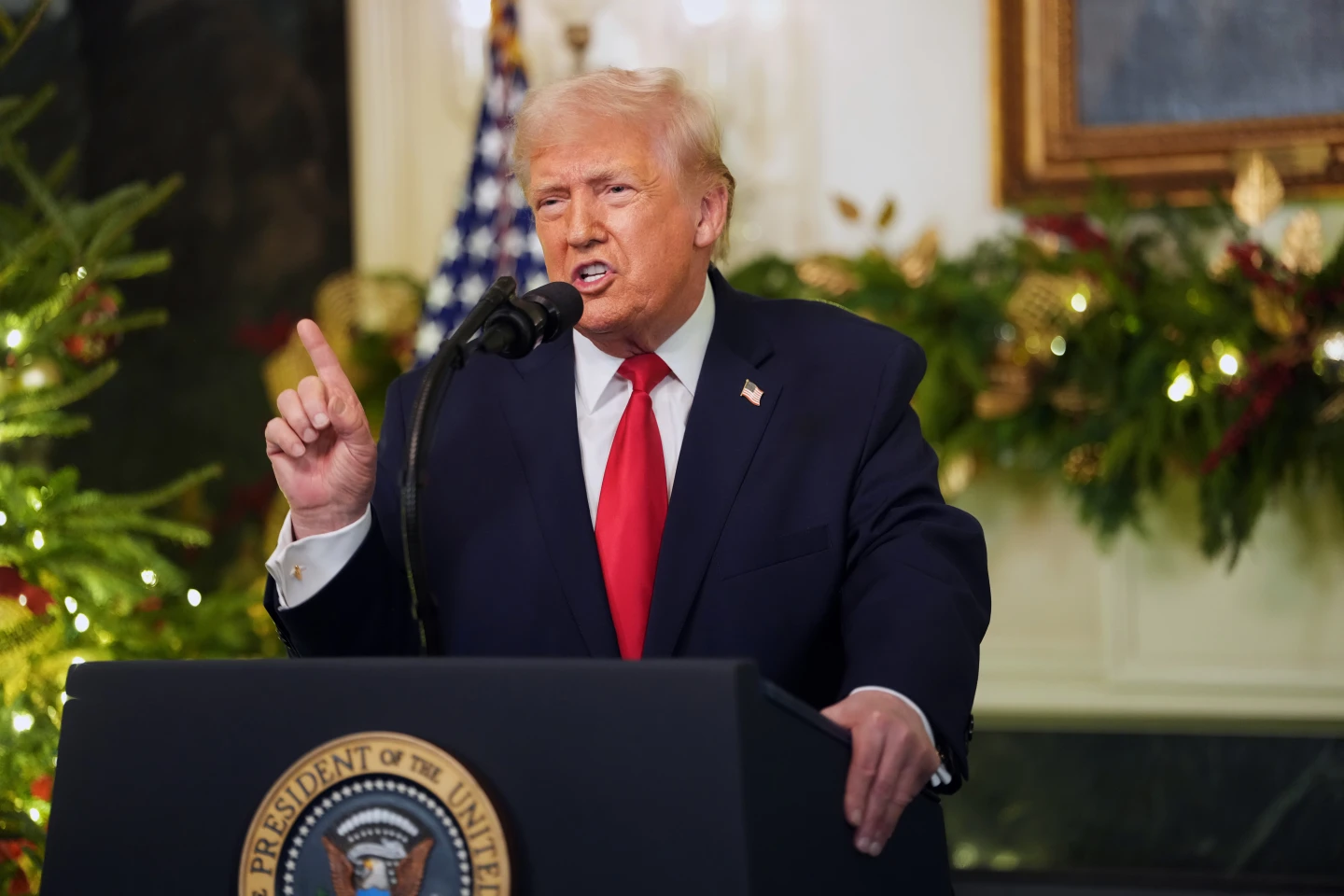
President Donald Trump announced that he would send troops to Portland to counter attacks on U.S. Immigration and Customs Enforcement (ICE) facilities. He described the city as “war ravaged” and claimed local authorities had failed to restore order.
The decision placed Portland at the center of America’s debate over law, order, and civil liberties. Supporters praised the move as a step toward security. Critics warned it risks undermining democracy and inflaming unrest.
Why Trump sends troops to Portland now
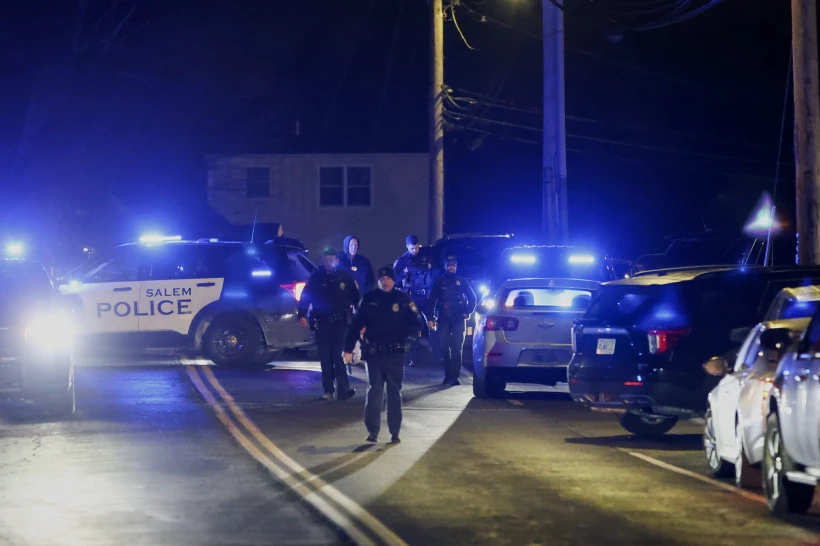
Portland has long been a flashpoint for protests and clashes with law enforcement. ICE facilities in the city have faced repeated demonstrations, sometimes leading to violent confrontations.
By deciding to send troops to Portland, Trump reinforced his image as a law-and-order president. He also cast liberal-run cities as weak and incapable of maintaining peace without federal help.

Local pushback against Trump’s move
Portland’s mayor, Keith Wilson, rejected Trump’s plan. He said the city neither asked for nor needed federal intervention.
Wilson warned that outside forces could worsen tensions instead of easing them. His stance reflects the broader struggle between federal authority and local control.
The deployment also tests limits under the Posse Comitatus Act, which restricts military involvement in civilian law enforcement. Trump has repeatedly pushed those boundaries.

The narrative: antifa and “domestic terrorists”
In announcing that Trump sends troops to Portland, the president again blamed antifa for unrest. He called protesters “professional agitators and anarchists.”
Civil rights groups argue that such claims oversimplify America’s political violence. They warn it ignores right-wing groups that also fuel clashes. Still, Trump’s narrative resonates with supporters who view Portland as a symbol of radical politics.

Trump sends troops to Portland as part of a broader pattern
This decision is part of a larger trend. Trump sent the National Guard and Marines to Los Angeles during immigration protests. He deployed forces to Washington, D.C., in response to demonstrations.
By choosing to send troops to Portland, he highlighted his willingness to use federal power against unrest. The move also challenges Democratic leaders who oppose his approach.
Public reaction: a divided response
The choice that Trump sends troops to Portland has split public opinion. Supporters insist that federal action is vital to protect ICE facilities. Opponents argue it threatens free expression and civil liberties.
Portland residents brace for what could become another cycle of confrontation. Many fear the presence of troops will escalate violence rather than calm it.

What this means for democracy
The deployment raises tough questions. How far can federal power go when local leaders resist? What are the limits of presidential authority during domestic unrest?
Whether Trump’s choice to send troops to Portland restores order or deepens conflict will influence both Portland’s future and America’s political climate.
Conclusion: Portland as America’s mirror
Portland has become the stage for Trump’s latest test of presidential power. His decision to send troops to Portland is about more than law enforcement. It defines the struggle over protest, federal authority, and democracy’s future.
As troops arrive, Portland braces for the impact. The rest of the country watches closely — knowing that what happens there could shape U.S. politics for years to come.

Leave a Reply