


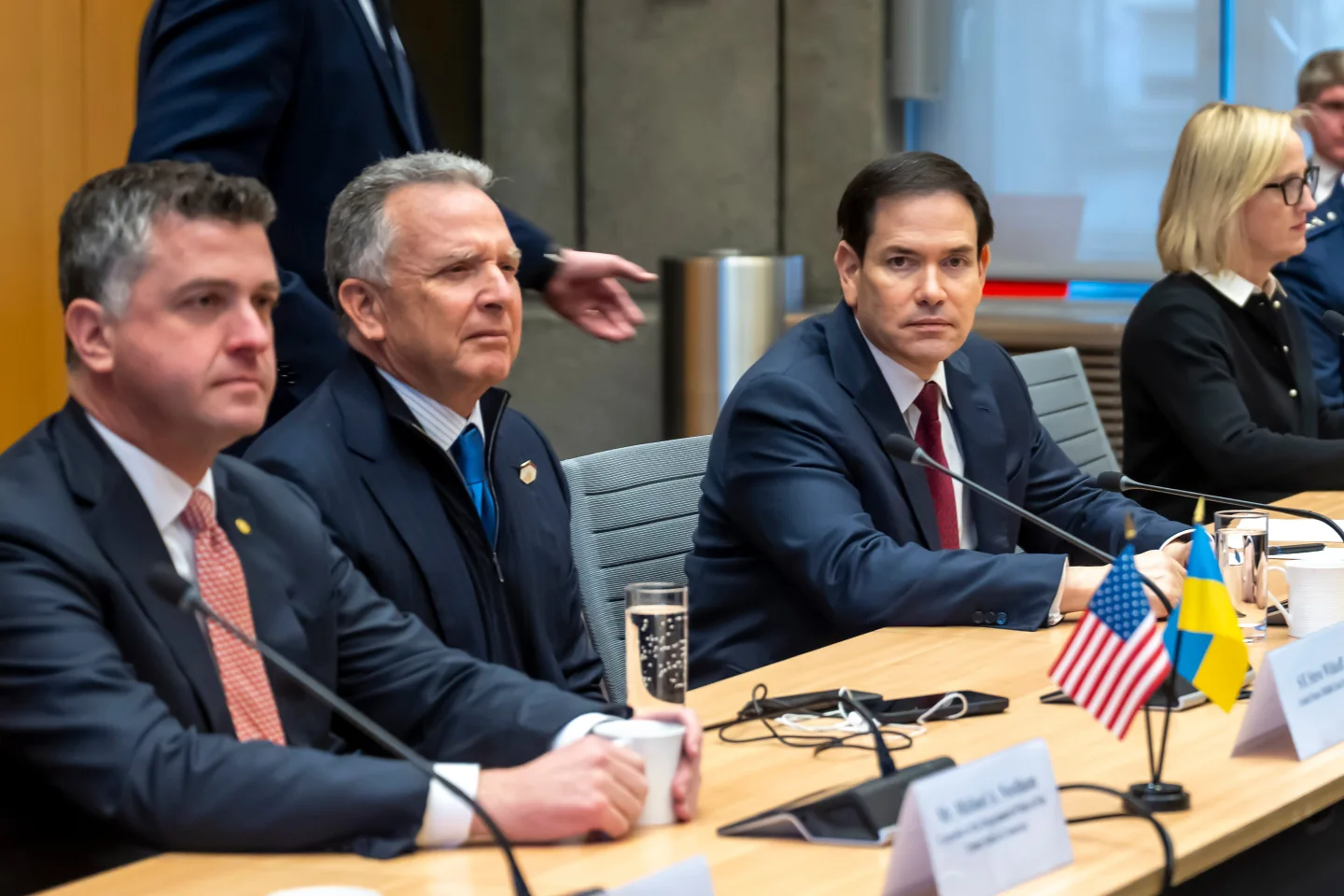
The Ukraine peace plan, proposed by the United States under President Donald Trump, has ignited intense global debate. While the plan aims to end the nearly four-year war between Russia and Ukraine, it has raised serious concerns in Kyiv and across Europe due to proposals that appear to favor Moscow’s interests, particularly regarding territorial concessions and military limitations.
Productive Yet Controversial Talks
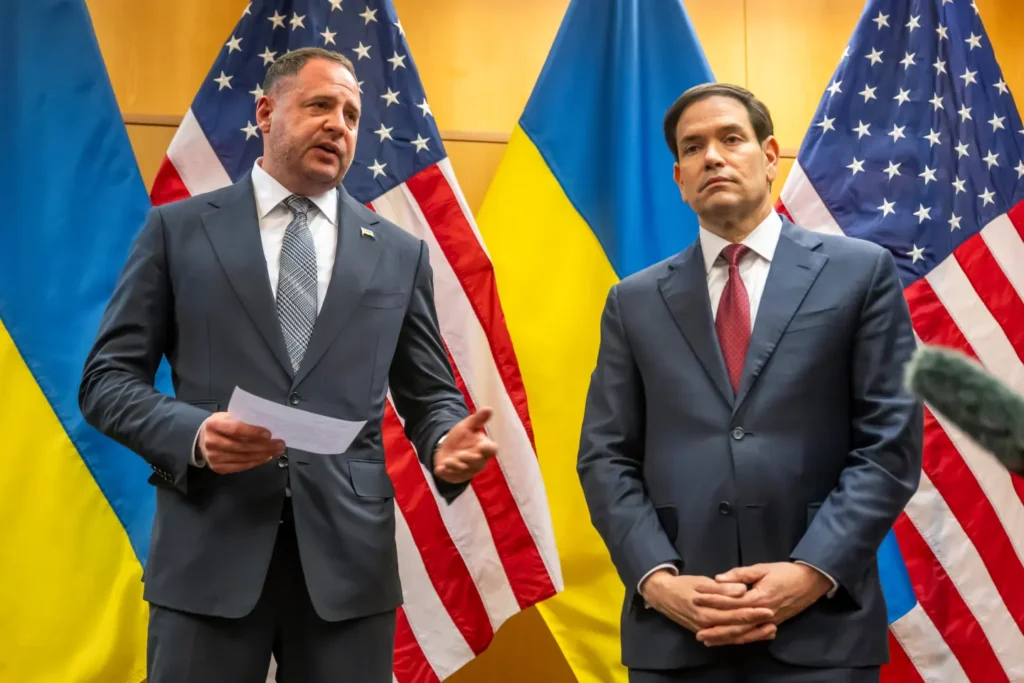
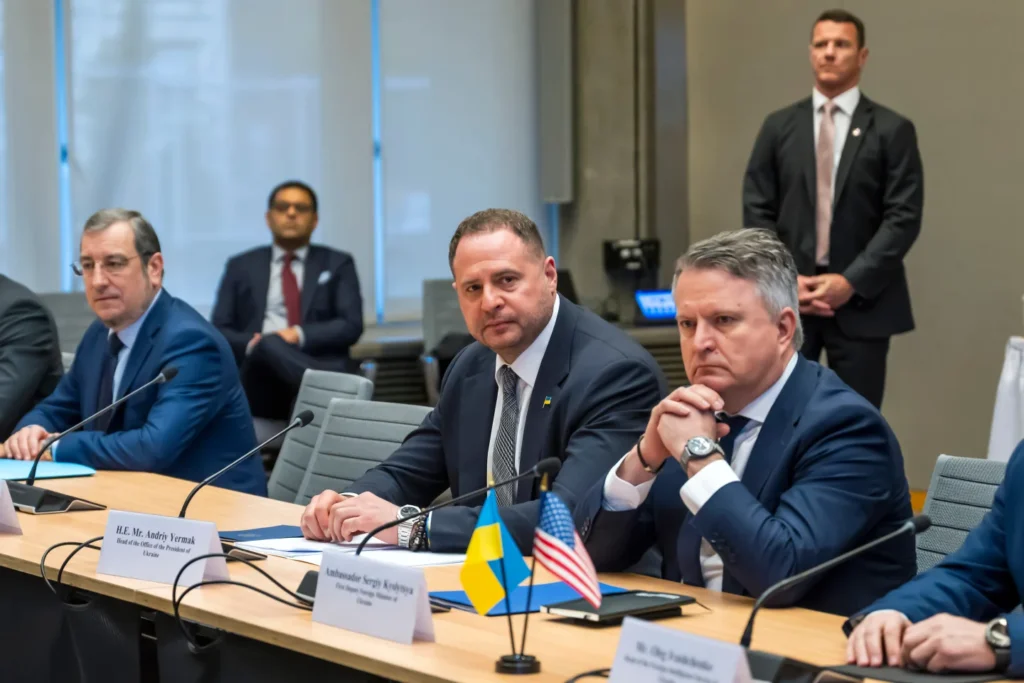
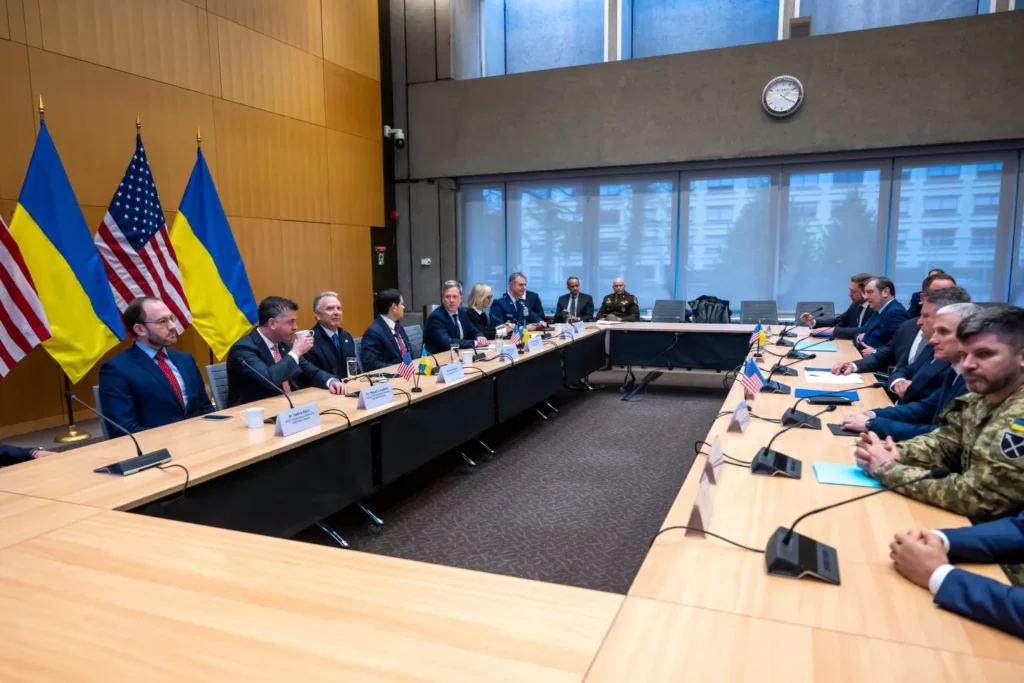
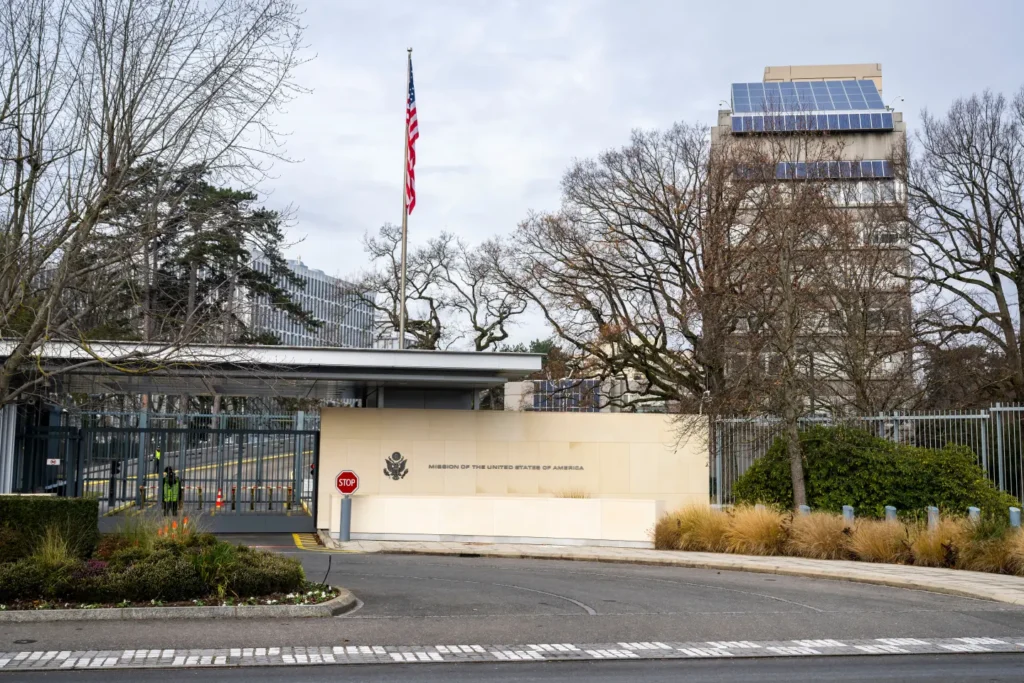
In Geneva, top Ukrainian officials met with U.S. Secretary of State Marco Rubio to discuss the Ukraine peace plan. Rubio described the talks as the most meaningful since the Trump administration began. Army Secretary Dan Driscoll and special envoy Steve Witkoff also attended the discussions. According to Rubio, the plan must ultimately be approved by the leaders of Ukraine, the U.S., and Russia.
Ukrainian presidential chief of staff Andrii Yermak confirmed progress, stressing the goal of reaching a just and lasting peace. He emphasized the involvement of European partners and that final decisions would rest with the presidents of both nations.
Trump’s Remarks Spark Backlash
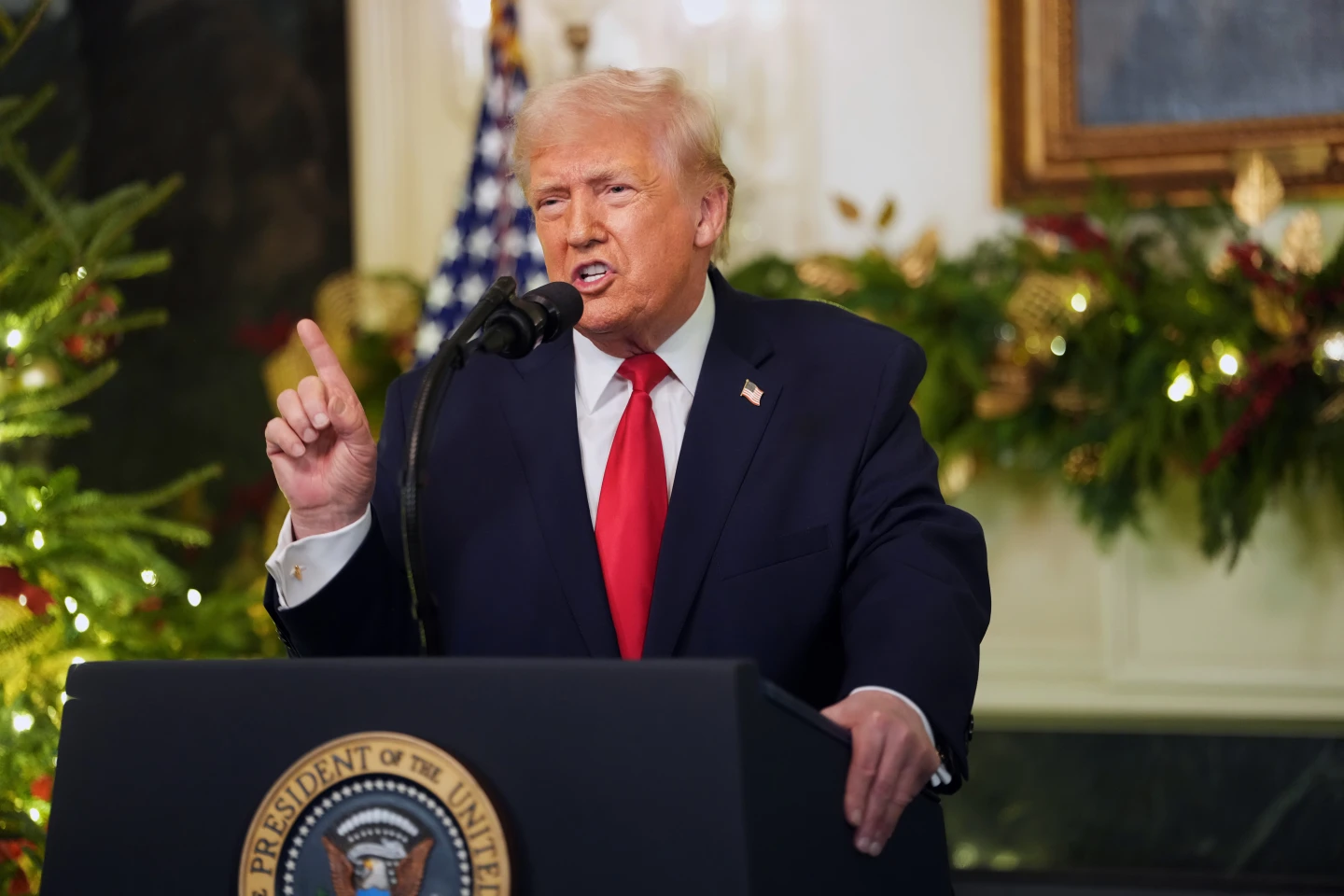
Ahead of the meeting, Trump posted a lengthy online commentary criticizing Ukraine for showing “zero gratitude” for American support. He avoided criticizing Russia and instead suggested that the war could have been prevented with better leadership. His comments caused unease in Kyiv and raised eyebrows among European allies.
In response, Ukrainian President Volodymyr Zelenskyy expressed gratitude for U.S. support but firmly reminded the world that Russia alone started the war. He stressed that Ukraine remains committed to stopping the war while defending its sovereignty.
Sovereignty at Risk
The U.S. 28-point Ukraine peace plan has raised alarm due to elements that could force Ukraine to surrender territory and restrict its army. Zelenskyy has repeatedly rejected any terms that involve giving up sovereign land, insisting that Ukrainians will always defend their home.
France’s Defense Ministry delegate, Alice Rufo, voiced concerns that parts of the proposal limit Ukraine’s ability to defend itself, describing it as “a limitation on its sovereignty.” European leaders strongly support Kyiv’s stance and are working to revise the plan.
Confusion Over the Plan’s Origin
Complicating matters, conflicting reports emerged over who authored the Ukraine peace plan. Polish Prime Minister Donald Tusk questioned whether it originated in Washington or Moscow. U.S. senators claimed Rubio described the plan as a Russian “wish list,” leading to further confusion. Rubio later denied this characterization, insisting that Washington was behind the proposal.
Senator Mark Warner said the plan appeared to echo Russian demands and caused frustration in Europe, adding that it lacked balance. He called for a more reasonable and fair approach.
Zelenskyy Seeks Fair Terms
Zelenskyy confirmed that the U.S. may be willing to consider key Ukrainian concerns, though details remain unclear. He emphasized the importance of protecting Ukraine’s national interests and maintaining strong international support. He welcomed continued dialogue but insisted that peace must not come at the cost of independence.
Diplomatic Push from Turkey
Meanwhile, Turkish President Recep Tayyip Erdogan announced his intent to speak with Russian President Vladimir Putin. Erdogan hopes to revive the grain corridor agreement from 2022, which allowed Ukraine to safely export grain through the Black Sea. He believes reopening talks could also help open the door to broader peace efforts.
A Chance for Further Negotiations
Despite the tension, both sides appear open to further discussions. Trump said the current Ukraine peace plan might not be his final offer. Both Ukrainian and American officials expressed cautious optimism that a revised plan could better reflect Ukraine’s security, sovereignty, and future stability.
Conclusion
The Ukraine peace plan represents a critical moment in international diplomacy. While it offers hope for an end to the war, it also raises serious concerns about sovereignty, territorial integrity, and global alliances. As negotiations continue, Ukraine and its allies insist that true peace must be just, lasting, and respectful of national rights. The world now watches closely as diplomacy tests the limits of compromise and principle.

Leave a Reply