


The Ukraine talks between the United States and Russia moved forward in Moscow with cautious optimism. Officials described the latest engagement as useful and substantive, even though a breakthrough remains distant. Yuri Ushakov, senior adviser to President Vladimir Putin, said both sides explored the framework of a peace proposal during a five-hour meeting at the Kremlin. While the tone was constructive, the underlying disagreements signaled a long road ahead.
Inside the High-Level Meeting
Putin met with President Donald Trump’s envoys, Steve Witkoff and Jared Kushner. Their visit marked a renewed push by the Trump administration to secure progress in ending the nearly four-year war. Both delegations agreed to keep details private. Even so, Ushakov emphasized that conversations were serious and forward-leaning. He said the talks did not finalize wording and instead focused on broad concepts. Additional rounds of dialogue will follow as both governments refine their positions.

Territorial Disputes Remain Central
Territory remains the hardest issue. Ushakov acknowledged that no compromise has been reached on the land Russia occupies. Moscow insists that progress on territory is essential for any resolution. Russian officials reviewed several iterations of the U.S. peace plan. Some proposals appeared workable, while others drew strong objections. The lack of consensus shows the deep divide over sovereignty and security in eastern Ukraine.
American Messaging and Mixed Reactions
The Trump administration has promoted its peace plan as the centerpiece of negotiations. Earlier versions of the proposal sparked concern because they appeared to align closely with Moscow’s demands. Those demands included Ukraine giving up the Donbas region entirely and renouncing its NATO aspirations. Such terms were immediately rejected by Kyiv. U.S. negotiators say changes have been made since then, but they have not disclosed specifics.

European Allies Push Back
Putin accused European governments of obstructing the U.S. effort. He claimed they have no peace agenda and continue to promote escalation. These comments seemed aimed at driving a wedge between Washington and its allies. Europeans reject these accusations. They argue that Russia started the war and that they have poured resources into supporting Ukraine, countering Moscow’s aggression, and stabilizing the region. European leaders insist security in Europe requires a peace deal that protects Ukraine’s sovereignty.

Security Concerns Shape Europe’s Stance
European nations remain wary of Russia’s long-term intentions. Incidents involving drones, fighter jets, and suspected sabotage have reinforced fears that the Kremlin could target additional countries if it gets concessions in Ukraine. This is why European governments want a major role in the Ukraine talks. They say lasting peace must include safeguards for both Ukraine and the broader region. Many leaders oppose any agreement that rewards Russia with new borders.
Kyiv’s Position and Its Pressures
Ukrainian President Volodymyr Zelenskyy continues to balance diplomacy, battlefield realities, and domestic challenges. He said he expects rapid updates from U.S. envoys who met with Putin. Kyiv wants clarity as soon as possible because every delay costs lives. Ukraine recently met with American negotiators in Florida, where a list of 28 negotiation points was reduced to 20. Zelenskyy noted that decisions now evolve daily and sometimes hourly because conditions shift so fast.

Seeking Fair Play from All Sides
Zelenskyy said Ukraine will meet with Trump’s delegation if discussions signal fairness. He expressed readiness to meet with the U.S. president directly. However, he stressed that results matter more than dialogue alone. Ukrainians continue to endure attacks across the front lines. Therefore, Zelenskyy wants assurances that negotiations move toward justice, security, and long-term stability.
Parallel Negotiations and Their Complexity
Talks have unfolded on parallel tracks. The U.S. team met Ukrainian officials in Florida and later with Russians in Moscow. The Florida discussions were based on an earlier Geneva document. Zelenskyy now says that document is finalized, though he did not provide details. American officials, including Secretary of State Marco Rubio, said progress was real but fragile. Both sides aim to narrow gaps before a higher-level meeting.

Europe Demands a Seat at the Table
European leaders want a major role in shaping any peace agreement. They say they were sidelined by Washington during early drafts of Trump’s proposal. Because the U.S. plan depends heavily on Europe for financial support and postwar security guarantees, European governments insist that their concerns must be addressed. They also argue that security commitments must match the scale of the threat.
Zelenskyy’s Diplomatic Tour
Zelenskyy traveled to Ireland as part of ongoing outreach to European partners. Ireland, though militarily neutral, has taken in more than 100,000 Ukrainians and provided humanitarian aid. European officials reiterated that any peace settlement must reflect Ukraine’s interests. They warned that bridging the gap between Moscow and Kyiv will take time because the fundamental disagreements run deep.
Fighting Continues on the Ground
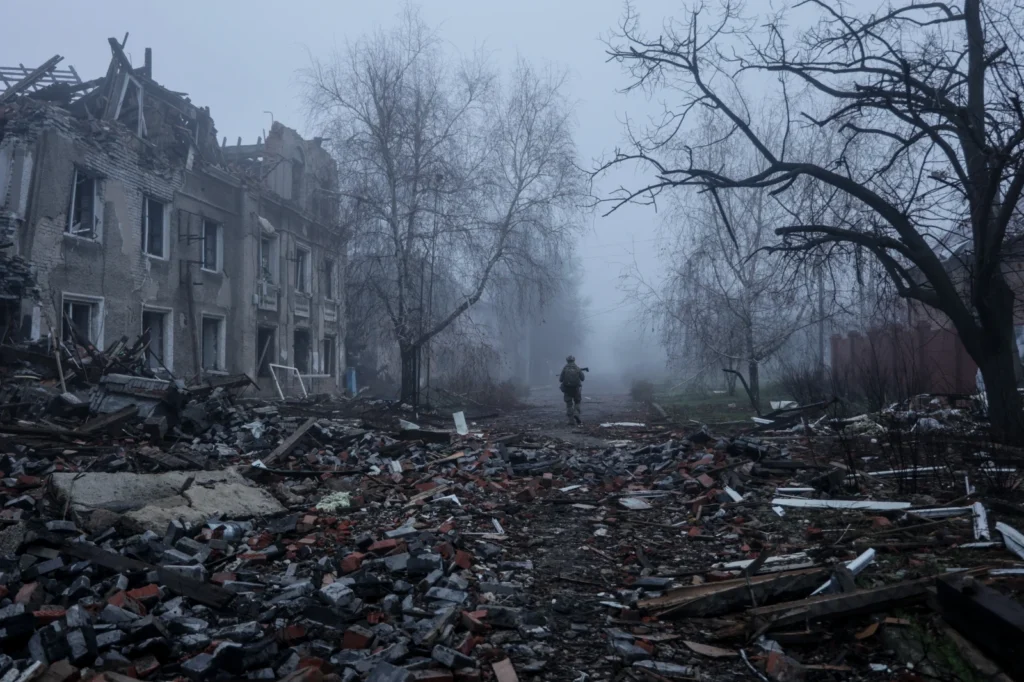
Even as diplomacy intensifies, the war continues. Russia claimed it captured Pokrovsk, a major city in the Donetsk region. Ukraine quickly disputed the claim. Kyiv said fighting remains active and accused Russia of spreading propaganda. Ukrainian forces are reinforcing supply routes and preparing for further operations. These continued battles show that the conflict will not pause while negotiations unfold.
The Stakes Could Not Be Higher
For Ukraine, the stakes involve survival, sovereignty, and territorial integrity. For Europe, the stakes involve regional security, economic stability, and protection from further aggression. For the United States, the negotiations test its leadership and relationships with global partners. For Russia, the talks represent an opportunity to secure concessions while maintaining pressure on the battlefield.
Cautious Hope Moving Forward
The Ukraine talks may be constructive, but they also highlight a long list of unresolved issues. Both sides agree to continue discussions, yet both also stand firmly by their positions. Diplomats expect many more meetings, revisions, and intense debates. Whether these efforts lead to real peace remains uncertain. Even so, the latest round shows that progress — however slow — is still possible.

Leave a Reply