


US strike footage has become the center of a heated national dispute. The growing controversy surrounds the Sept. 2 operation in the Caribbean Sea, where a second missile killed two survivors after an initial strike on a suspected drug-smuggling boat. The discussion now shapes political tensions, legal concerns, and public trust in military decisions. As the debate widens, lawmakers demand answers, while the administration insists the campaign targets dangerous narco-terrorist networks.
Trump’s Justification and Shifting Stance
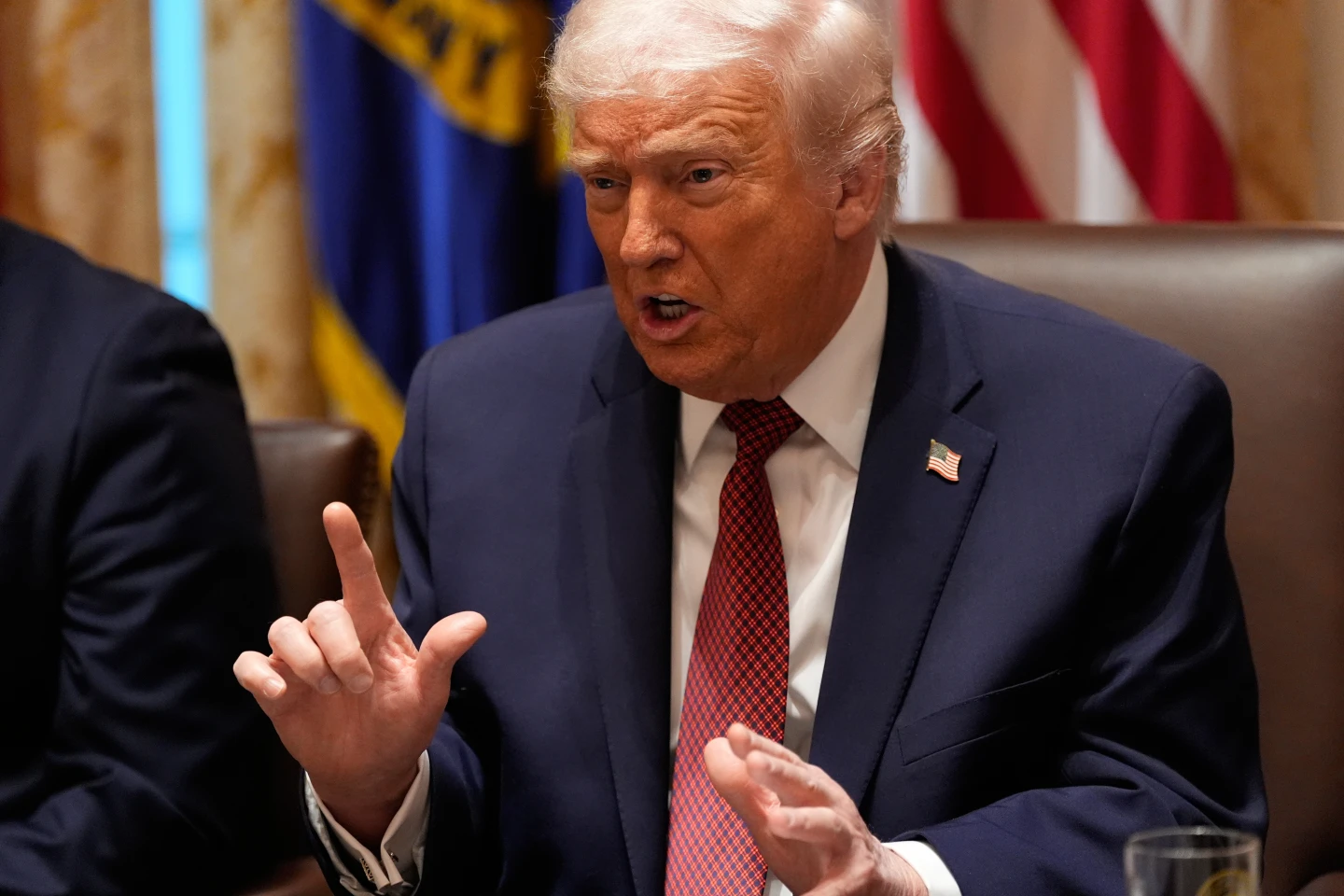
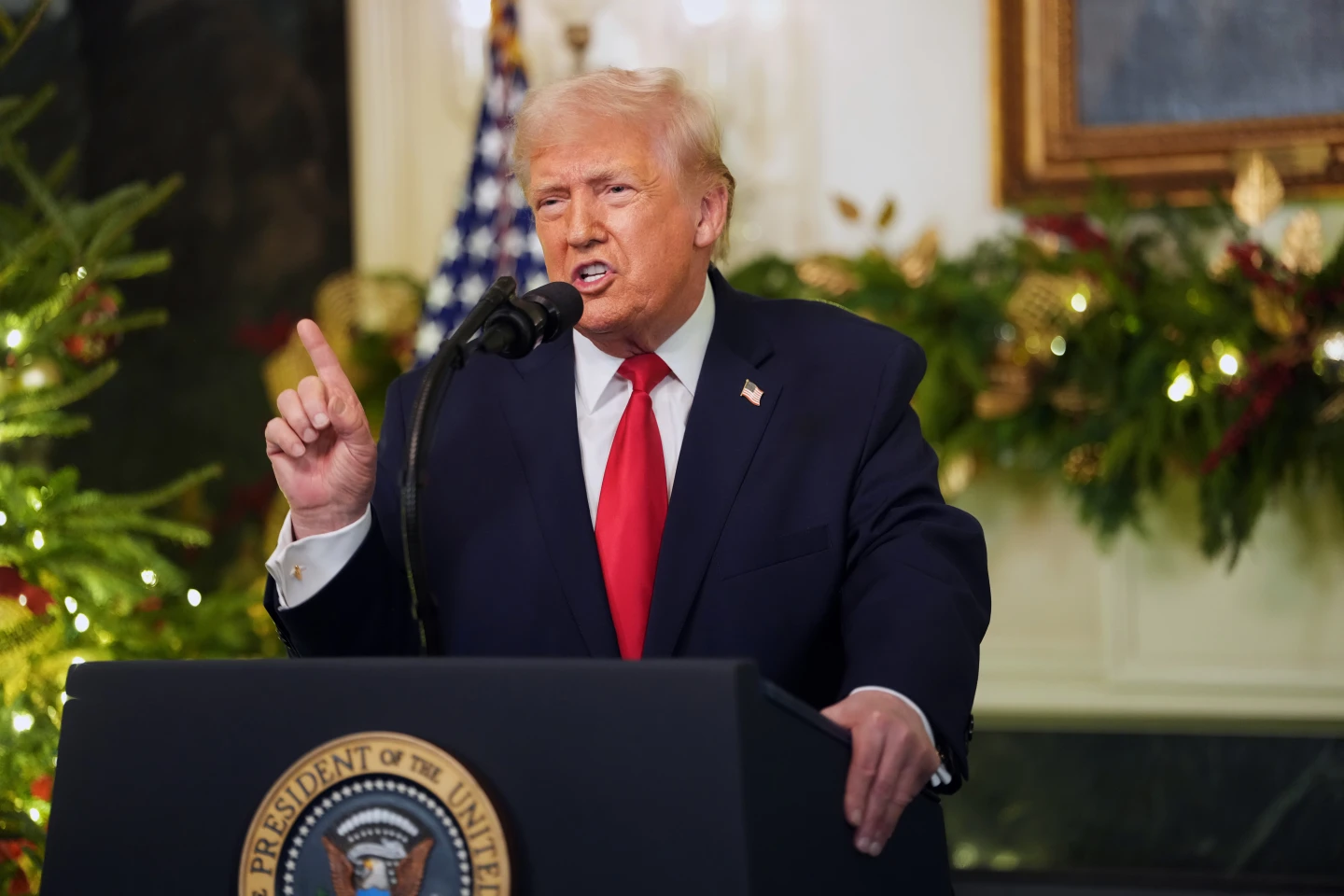
President Donald Trump defended the second missile strike by claiming that the survivors were trying to right the capsized vessel. He argued that allowing the boat to float again would have enabled drug traffickers to continue moving narcotics toward the United States. He stressed that preventing the vessel from recovering was necessary to disrupt cartel operations.
However, Trump shifted his position on releasing the video. Last week, he suggested he was open to letting the public see the footage. This week, though, he backtracked and said Defense Secretary Pete Hegseth should make the final call. This reversal added fuel to the growing concerns over transparency.
Pressure Mounts for Transparency
Calls for the release of the US strike footage intensified on Capitol Hill. Democratic lawmakers want unedited recordings of the strikes as they evaluate whether military personnel acted lawfully. Some legislators even threatened budget consequences if the Pentagon does not comply. Their push highlights concerns regarding the treatment of survivors and whether established rules of armed conflict were respected.
At least 87 people have been killed in 22 known strikes during the broader operation against drug-smuggling vessels. With each strike, scrutiny increases. The footage from this specific operation has become a focal point for evaluating the legality and ethics behind the campaign.
The Administration’s Broader Strategy
The administration argues that the strikes form part of a necessary strategy to combat narcotics trafficking. Trump maintains the United States is engaged in an armed conflict with narco-terrorist cartels. He claims the campaign aims to stop the flow of fentanyl and other dangerous drugs. Transitioning from general assertions to targeted action, he has framed the operations as essential for national security.
Hegseth noted that officials are still reviewing what can be responsibly released. While he did not promise public access to all recordings, he emphasized that any disclosure must be handled with caution.
Conflicting Accounts and Reactions
Lawmakers who viewed the US strike footage offered sharply different reactions. Republican Sen. Tom Cotton stated he found the video neither gruesome nor disturbing. He compared it to other military footage commonly seen from Middle East operations. His stance signals confidence in the legality of the second strike.
Democratic leaders, however, strongly disagreed. Rep. Jim Himes described the footage as profoundly shaking. Rep. Adam Smith said the survivors did not appear capable of continuing any form of fight. Their accounts raise significant questions about whether lethal force remained justified after the first strike.
Legal and Ethical Concerns
Military leaders rejected claims that there was a “kill them all” order. Yet legal experts warn that killing survivors at sea could violate established wartime rules. The tension between military necessity and legal boundaries now fuels further debate. As investigations continue, the handling of the footage will likely influence public perception of the entire campaign.

Leave a Reply