


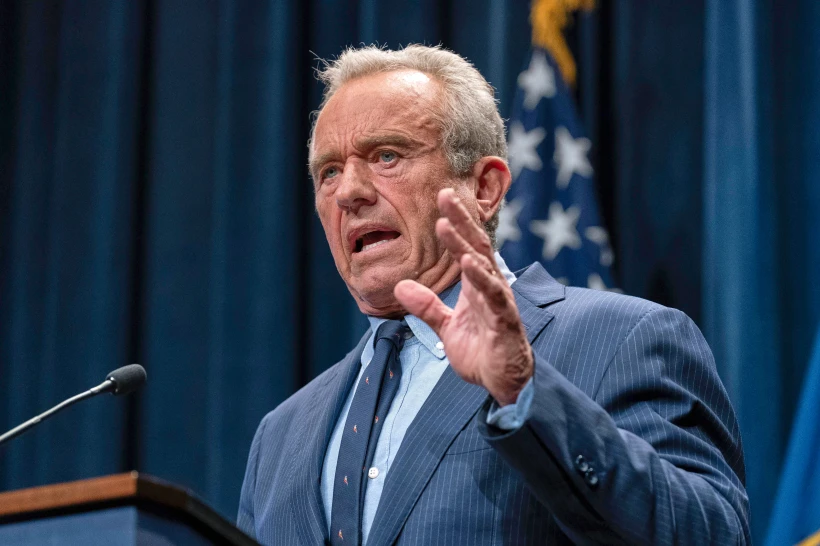
The vaccine vote delay has intensified national attention as Kennedy’s federal advisory committee postponed its decision on hepatitis B shots for newborns. The committee’s choice to push the vote to Friday emerged after members expressed confusion about the voting language and hesitation over reversing decades of established public health guidance. The pause created immediate concern among physicians, medical groups, and parents who rely on clear, evidence-based vaccine recommendations. With the discussion growing tense, the delay underscored the high stakes surrounding infant health policy and scientific credibility.
Committee Questions Long-Standing Birth Dose
For more than 30 years, health officials have recommended that all newborns receive a hepatitis B vaccine at birth. The guidance is credited with preventing thousands of infections, especially among infants who face a higher risk of chronic hepatitis B. However, the new panel assembled by Health Secretary Robert F. Kennedy Jr. is reconsidering whether the vaccine should be limited only to babies born to mothers who test positive for the virus. This proposed shift would return the U.S. to an outdated strategy abandoned decades ago. Committee members acknowledged strong stakeholder dissatisfaction and a need to revisit concerns voiced by parents, though the evidence behind these concerns remained debated during the meeting.
Confusion Prompts Postponement
The vote was delayed after several members said the language in the proposal was unclear. Others questioned whether such a dramatic change should be made without stronger scientific justification. Acting CDC Director Jim O’Neill, who will ultimately decide on the committee’s recommendation, listened as members weighed decades of data against demands from newer voices on the panel. While transition words guided their discussion, uncertainty lingered. The postponement set the stage for a more contentious vote, as both supporters and critics of the change prepared for Friday’s session.
Kennedy’s New Panel Adds Tension
Kennedy, once a leading anti-vaccine activist, removed the entire previous advisory committee earlier in the year. He replaced them with members who included several well-known critics of vaccines. This transformation reshaped the committee’s direction. Since then, the panel has issued multiple recommendations that major medical groups strongly opposed. Earlier decisions included removing thimerosal from flu vaccines without evidence of harm and restricting the MMRV combination shot. Additionally, the panel declined to recommend COVID-19 vaccination for high-risk groups, placing personal choice above scientific consensus. These choices drew significant criticism from physicians who argued the changes lacked evidence.
Medical Groups Push Back
During the meeting, several professional organizations voiced frustration. Dr. Jason M. Goldman of the American College of Physicians called the shift in direction “political theater” and urged committee members to rely on established data. His comments reflected growing concern that ideology may be outweighing science in current deliberations. Despite these objections, some committee members insisted that past safety studies were limited and that larger studies might reveal previously undetected risks. Others, however, found no documented harm from the newborn hepatitis B dose and argued that concerns appeared speculative.
Understanding Hepatitis B Risks
Hepatitis B remains a serious liver infection with potentially severe consequences. Although most adults recover within months, infants and children face a much higher risk of chronic illness. Up to 90% of infected newborns develop long-lasting infections that can later lead to cirrhosis, liver cancer, and even liver failure. Because mothers can transmit the virus during birth, the vaccine at birth became a crucial preventive measure in the early 1990s. Since its introduction, childhood hepatitis B cases plummeted from about 18,000 annually to just over 2,000. These results formed the foundation of skepticism toward major changes in the birth-dose recommendation.
Controversial Presentations Raise Concerns
Presenters at the meeting included several figures associated with anti-vaccine advocacy groups. Cynthia Nevison and Mark Blaxill, both involved in retracted vaccine-related research, spoke at length about safety concerns. Historically, such committee meetings featured CDC scientists who monitored vaccine-preventable diseases and evaluated safety data. However, this week’s agenda included none. Instead, prolonged presentations focused on theories widely rejected by the scientific community. This shift prompted additional criticism from lawmakers and medical experts who argued the panel was abandoning established scientific standards.
Political Reaction Intensifies
Political leaders reacted swiftly to the meeting’s direction. Sen. Bill Cassidy, a physician, stated that the committee was “totally discredited” and failing to protect children. His remarks added pressure as parents and healthcare providers awaited clear recommendations. Although Kennedy defended his restructuring of the committee, the growing backlash highlighted the importance of transparent and evidence-driven decision-making. As the vaccine vote delay continued, physicians warned that inconsistent guidance could undermine public confidence in infant immunization.
What Comes Next
Current guidance recommends that infants weighing at least 4.4 pounds receive their first hepatitis B dose within 24 hours of birth, followed by additional shots at one and six months. Under the proposed revision, families choosing to skip the birth dose would begin the series at two months. As the committee prepares to vote, the outcome could reshape national policy. The debate now centers on whether the committee will prioritize decades of evidence or shift direction based on newer concerns. The vaccine vote delay highlighted how critical the next decision will be for newborn health, public trust, and the nation’s immunization framework.




Leave a Reply