


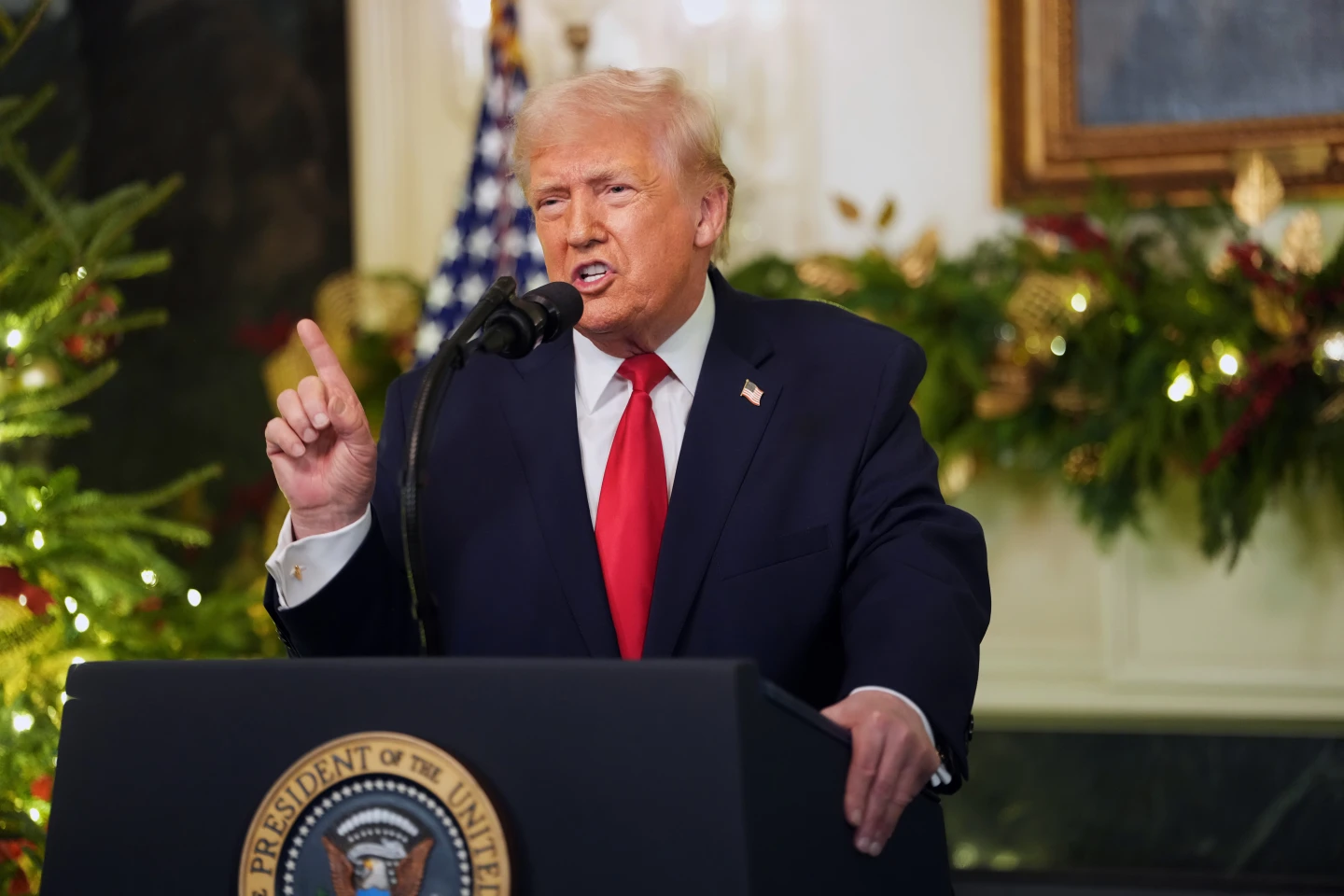
Vehicle mileage rules have taken center stage after President Donald Trump unveiled a proposal to weaken long-standing fuel economy requirements. The announcement triggered intense reactions from environmental groups, consumer advocates and automakers. Although the administration framed the shift as a move to enhance vehicle choice, critics argued that it could increase fuel costs and worsen pollution. As the nation debates the proposal, the future of American transportation hangs in the balance.
The plan aims to ease regulatory pressure on automakers by lowering efficiency targets through the 2031 model year. Supporters say this adjustment better reflects consumer demand. However, opponents maintain that weakening vehicle mileage rules risks reversing decades of progress in reducing harmful emissions. Because transportation remains a major source of climate-warming pollution, the proposal has quickly become a defining policy battle.
Reduced Standards Stir Environmental Concerns
The National Highway Traffic Safety Administration projected that the new plan would set fleetwide averages at about 34.5 miles per gallon in 2031. Biden-era policy, in contrast, targeted 50.4 miles per gallon. Such a dramatic reduction elevates concerns among scientists, advocacy groups and state regulators.
Burning gasoline releases carbon dioxide, nitrogen oxides, soot and other pollutants. Therefore, lower efficiency standards could raise emission levels for years. Federal analysis estimated that rolling back the 2024 fuel standards could lead to more than 22,000 additional tons of carbon dioxide annually by 2035. Moreover, experts warned that weaker vehicle mileage rules would add harmful particulates and smog-forming chemicals to the air, placing vulnerable populations at increased risk.
Automakers Welcome Regulatory Relief
Automakers long expressed frustration with previous targets. Many executives said the earlier rules were costly and misaligned with consumer preferences. Consequently, the industry praised the rollback.
Ford CEO Jim Farley called the revision “a win for customers,” arguing that aligning regulations with economic conditions helps manufacturers serve buyers more effectively. Stellantis executives added that the change reflects “real world market conditions.” President Trump also claimed that the plan would save consumers roughly $1,000 per new vehicle, a message that resonated with industry leaders.
Still, not all automakers responded the same way. Companies heavily invested in electric vehicles, including General Motors, treaded more cautiously. They acknowledged the goals of the proposal while reiterating long-term commitments to both EVs and gasoline models.

Environmental Groups Push Back
Environmental advocates strongly condemned the proposal. They argued that weakening vehicle mileage rules undermines public health, climate goals and household budgets. Because lower efficiency standards require more gasoline, critics warned that drivers would face higher long-term costs, even if vehicles become slightly cheaper upfront.
Organizations such as the Sierra Club and the Center for Biological Diversity emphasized that vulnerable communities—especially children and seniors—would face greater exposure to smog and particulate pollution. Their statements highlighted the broader stakes: more fuel burned means more climate damage, more air pollution and more financial strain.

EV Policy Debate Reignites
Trump repeatedly attacked what he labeled an EV “mandate,” despite the absence of any federal requirement forcing automakers to sell electric vehicles. Biden-era policy sought for half of all new car sales to be electric by 2030, but consumer adoption remained slow, with EVs making up around 8% of U.S. sales in 2024.
California and several other states enacted their own rules requiring new passenger vehicles to be zero-emission by 2035. Yet Trump and congressional Republicans blocked California’s regulations earlier this year. Because EVs do not consume gasoline, earlier efficiency standards included them in calculations. Transportation Secretary Sean Duffy argued that this practice distorted the purpose of vehicle mileage rules, prompting federal agencies to revise them in June.
This revision ultimately laid the foundation for the current proposal.

Economic Ripple Effects
The potential impact on the automotive sector remains complex. While many automakers prefer reduced regulatory burdens, others fear losing ground in the global shift toward cleaner technologies. Companies that invested billions in EV development warned that the rollback could weaken momentum, reduce hiring and undermine competitiveness.
Albert Gore of the Zero Emission Transportation Association argued that easing standards forces Americans to spend more on gasoline. Moreover, he said the change penalizes manufacturers that embraced electrification early. Because global markets are rapidly moving toward cleaner fleets, U.S. automakers risk falling behind if vehicle efficiency standards stagnate.
Pollution and Public Health Consequences
Reducing the stringency of vehicle mileage rules has lasting consequences. Cars and trucks stay on the road for more than a decade, meaning today’s choices influence future air quality. Federal estimates earlier indicated that Biden-era standards would have prevented 14 billion gallons of gasoline from being burned by 2050. Reversing them means added pollution, added fuel consumption and added economic burdens.
Since the 1970s, federal fuel economy regulation pushed the auto industry toward cleaner innovations. Weakening these benchmarks threatens to slow or even reverse that trend. Analysts warned that drivers will face higher lifetime fuel expenses, communities will face dirtier air and climate impacts will intensify.

A Defining Policy Moment
As the proposal moves toward possible finalization, the nation confronts a critical moment. Supporters highlight affordability, consumer choice and reduced regulatory pressure. Critics emphasize environmental risk, long-term costs and the urgency of addressing climate change.
Because transportation remains America’s largest source of greenhouse gas emissions, the stakes are high. Whether the administration ultimately adopts or modifies the plan, vehicle mileage rules will continue shaping U.S. energy strategy, environmental health and automotive innovation. With competing priorities pulling in different directions, the outcome will influence how Americans drive—and what they drive—for decades.




Leave a Reply