


Introduction
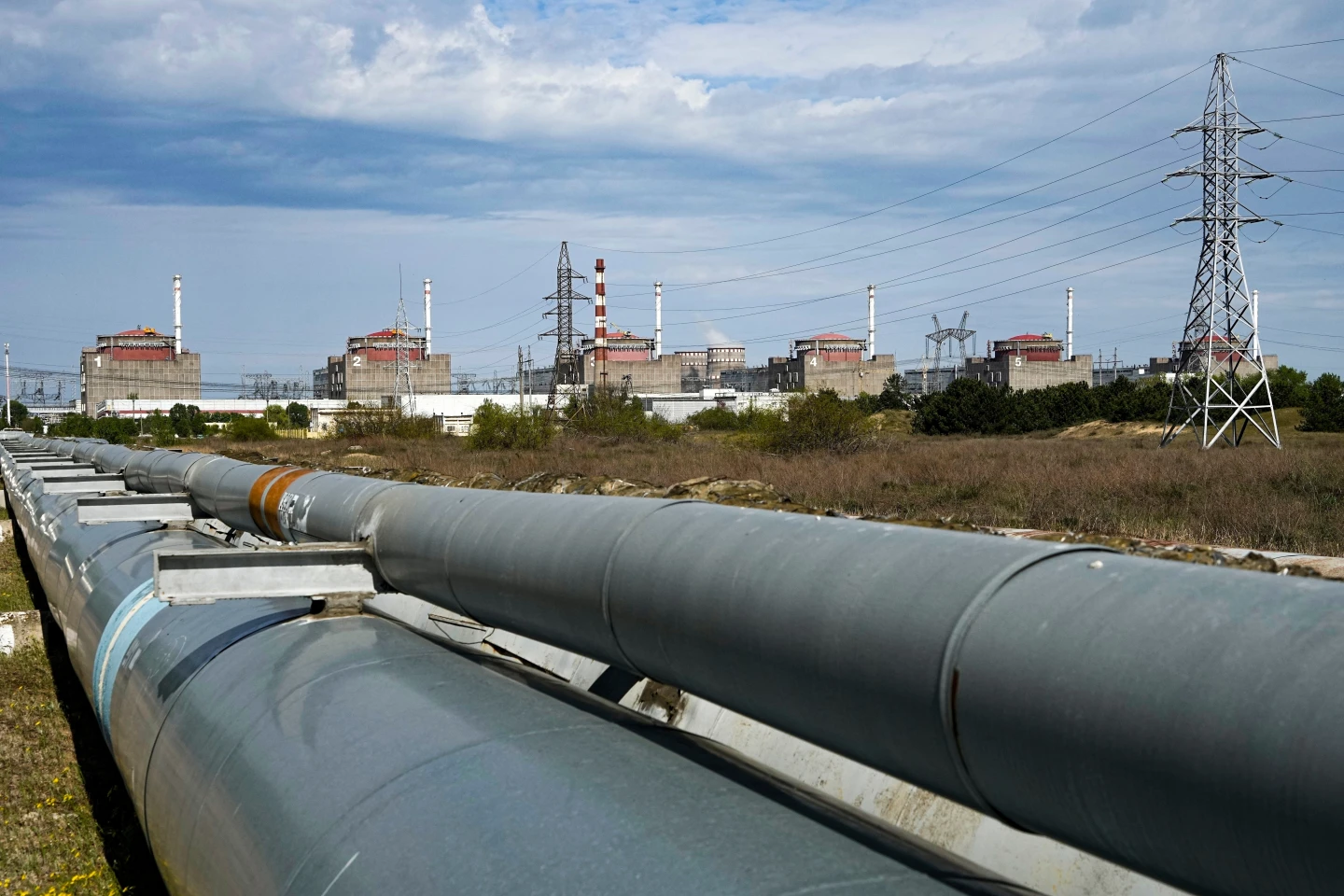
In a grave warning that echoes through Europe, Zelenskyy warns Russian drones are putting Chernobyl and other nuclear facilities in danger. Following a drone strike that cut off power for hours to the Chernobyl exclusion zone, Ukrainian officials say the world faces a new nuclear risk — this time fueled by war, not accident.
President Volodymyr Zelenskyy accused Moscow of deliberately creating the threat of “radiation incidents” as part of its ongoing campaign against Ukraine’s power grid. The warning comes amid renewed attacks on energy infrastructure and growing concern over the safety of nuclear sites still vulnerable to military strikes.
Drone Strike Disrupts Chernobyl Power
On Wednesday night, a wave of more than 20 Russian Shahed drones targeted northern Ukraine. One of them knocked out electricity to Slavutych — the city that supplies power to Chernobyl. For more than three hours, systems that maintain and monitor the site of the 1986 nuclear disaster went offline.
“The Russians could not have been unaware that a strike on Slavutych would have such consequences for Chernobyl,” Zelenskyy said in his nightly address.
Though the Chernobyl plant is no longer active, it still requires stable electricity to cool spent fuel and maintain the sarcophagus sealing the reactor’s ruins. The Zelenskyy warns Russian drones message was clear: these attacks risk a new nuclear crisis in the heart of Europe.
Rising Nuclear Fears
Both the Chernobyl and Zaporizhzhia nuclear facilities are offline but depend on continuous power to prevent overheating and radiation leaks. Ukraine’s Energy Ministry said even brief blackouts could disrupt radiation monitoring systems run by the United Nations’ International Atomic Energy Agency (IAEA).
“This is not a local issue,” Zelenskyy said. “Every strike on our energy facilities, including those linked to nuclear safety, is a global threat.”
The Zelenskyy warns Russian drones statement underscored Ukraine’s frustration with what Kyiv views as an insufficient international response. The president urged stronger action from the IAEA and Western allies, accusing them of responding with “weak and half-measures.”
Putin Rejects Blame
Russian President Vladimir Putin dismissed Zelenskyy’s accusation as “nonsense.” He claimed Ukraine was the one targeting energy lines near the Russian-controlled Zaporizhzhia nuclear plant — Europe’s largest — and warned that Moscow could retaliate.
“They are playing a dangerous game,” Putin said. “If they continue, they must remember — they also have nuclear power plants.”
His remarks only deepened fears that both nations could escalate attacks that might lead to an environmental catastrophe.
Zaporizhzhia: A Plant Under Siege
The Zaporizhzhia plant has been disconnected from Ukraine’s power grid for over a week. It now relies on emergency diesel generators to keep its cooling systems operational.
The IAEA says the situation is stable but fragile. “No nuclear power plant in the world has ever operated under such conditions,” Ukraine’s Energy Ministry said. “It is impossible to make reliable forecasts.”
Experts agree. Edwin Lyman, a nuclear safety director at the Union of Concerned Scientists, told the Associated Press that the situation is “increasingly dire.” He warned that if the plant loses power for cooling, it could take only “several days or longer” before radioactive material begins to leak.
The Zelenskyy warns Russian drones claim is not just about past damage but about preventing what could become the worst nuclear event since Fukushima in 2011.
International Alarm and Frustration
The United Nations has repeatedly called for restraint near nuclear facilities, but Ukraine says words are no longer enough. Kyiv wants the IAEA to pressure Moscow into allowing full control of Zaporizhzhia to return to Ukrainian engineers.
Zelenskyy argued that Russia is weaponizing nuclear plants by using them as shields and propaganda tools. “Russia occupies, threatens, and then blames Ukraine,” he said. “This is terrorism against the environment and global security.”
Meanwhile, Western diplomats have expressed growing alarm. The European Union warned that any radiation release would affect neighboring countries, including Poland, Slovakia, and Hungary.
Still, tangible action has been slow, leaving Ukraine to fend for itself as drone strikes continue.
Drones Overwhelm Defenses
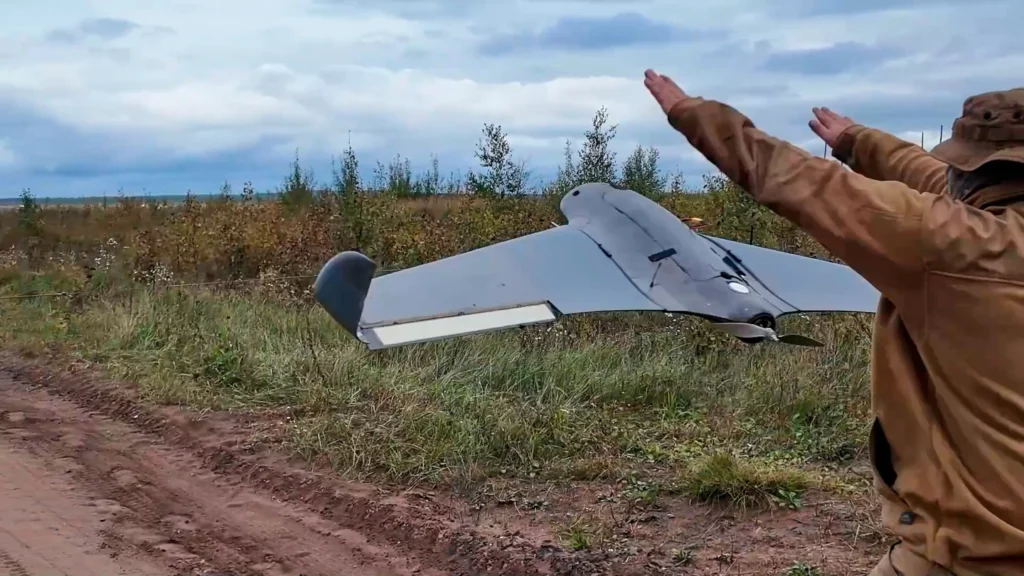
According to Ukraine’s Air Force, Russian drones have intensified attacks on energy infrastructure across the country. Defense systems intercepted most, but several slipped through.
In Slavutych, local officials said drones caused significant damage to transmission lines. While backup generators restored limited power, it was not enough to ensure full stability.
“The Zelenskyy warns Russian drones statement reflects how real the danger is,” said nuclear analyst Oleksandr Klymenko. “Even a temporary power loss at Chernobyl or Zaporizhzhia is unacceptable. These sites are designed for peace, not war.”
Humanitarian Toll and Prisoner Exchange
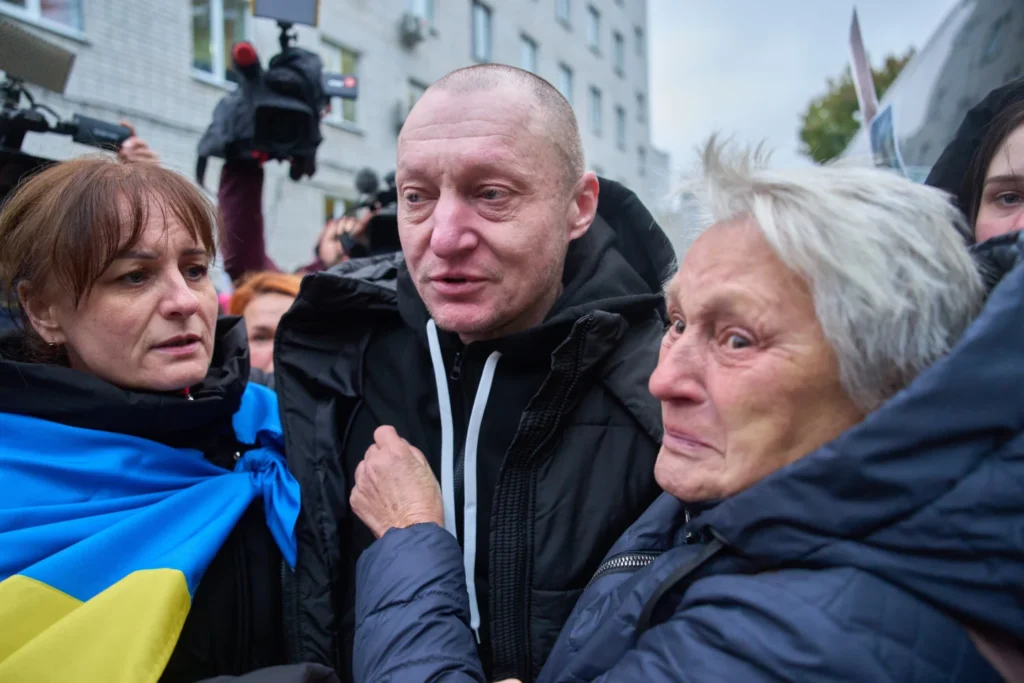
Amid the chaos, Ukraine announced a major prisoner exchange with Russia. Zelenskyy confirmed that 185 Ukrainian soldiers and 20 civilians — many held captive since 2022 — returned home.
The emotional reunions offered a rare moment of relief. “More than 7,000 Ukrainians have now returned since the war began,” Zelenskyy said on Telegram.
Russia’s Defense Ministry said it had recovered an equal number of its own personnel. Despite the exchange, the two countries remain locked in a cycle of destruction, with peace efforts stalled.

Nuclear Risks Beyond Ukraine
Analysts warn that the Zelenskyy warns Russian drones warning carries implications far beyond Ukraine’s borders. A nuclear accident caused by military action would release radiation across Europe. The fallout could affect millions and devastate agriculture, trade, and ecosystems.
The IAEA’s chief, Rafael Grossi, has called for a “nuclear safety and security protection zone” around Zaporizhzhia. But with the front lines constantly shifting, enforcement seems impossible without a cease-fire.
Experts say the only long-term solution is ending the war. Until then, every power outage near a nuclear site carries global consequences.
Conclusion
As Zelenskyy warns Russian drones threaten nuclear stability, the stakes of the conflict grow higher. Each drone strike, blackout, or missed warning could trigger a chain reaction beyond Ukraine’s borders.
For now, the world watches — and worries — as Europe’s largest war since World War II edges closer to another nuclear crisis. Zelenskyy’s message is not just to his people but to the planet: “This is not only Ukraine’s problem. It is a threat to everyone.”




Leave a Reply