


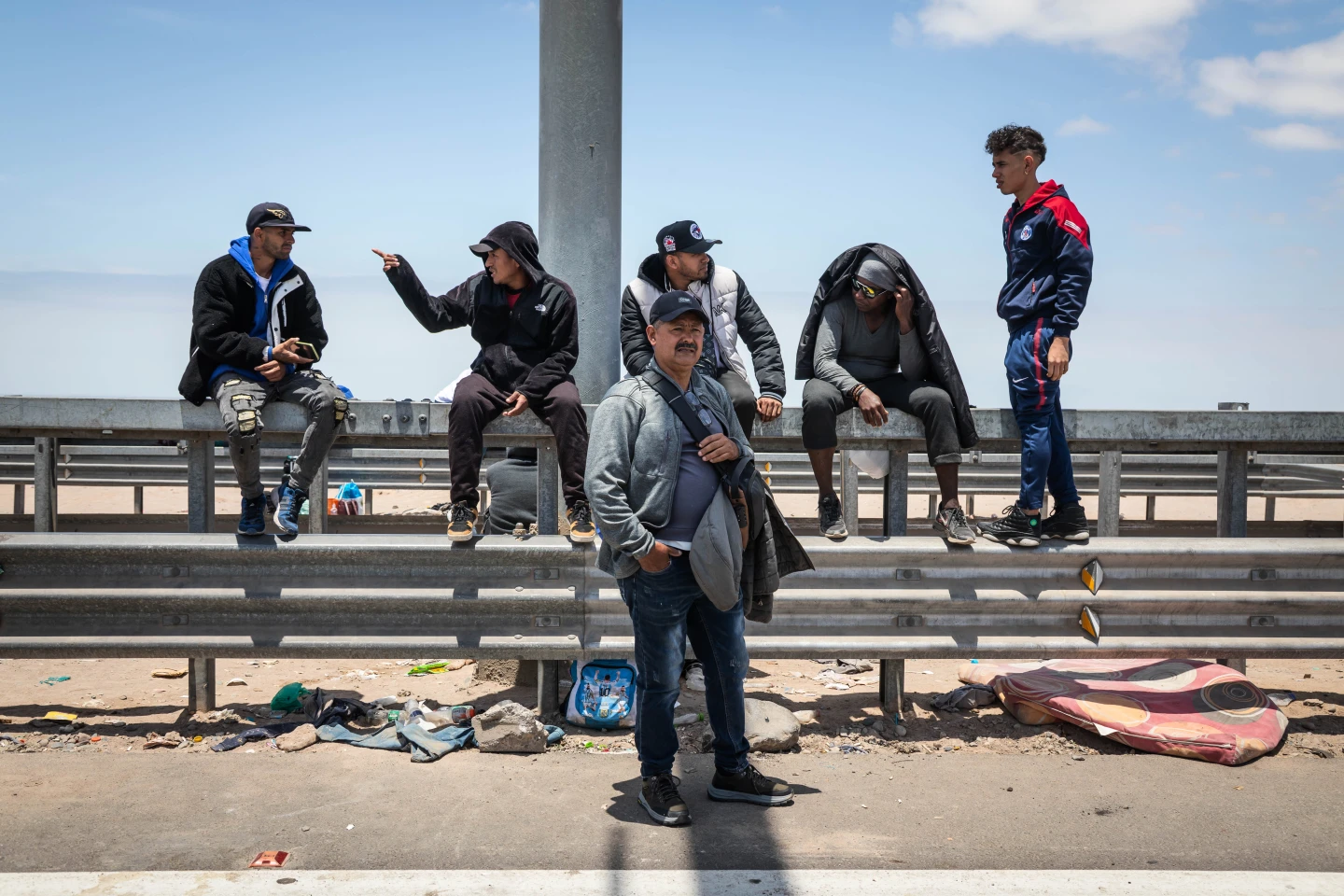
Peru State Emergency highlights the escalating border crisis as migrants leave Chile in growing numbers amid mounting political tensions. As Venezuelan migrants travel north, fears of humanitarian challenges, heightened xenophobia, and strained diplomatic ties have intensified. Authorities in Peru and Chile are under pressure to manage the situation responsibly, protect human rights, and ensure regional stability.
Migrants Move North Amid Rising Tensions
Hundreds of thousands of Venezuelan migrants initially settled in Chile to escape economic collapse and authoritarian rule in their homeland. Chile offered opportunity and stability. However, many have now begun leaving the country due to growing anti-immigrant sentiment fueled by the current presidential campaign. Many migrants, especially those without legal status, fear deportation as political rhetoric becomes increasingly aggressive.
This shift marks a significant change in migration patterns. Now, long lines of migrant families, carrying backpacks and belongings, move north toward Peru, hoping for safety and acceptance. The scene has prompted international concern and calls for coordinated action.

Peru Responds With Emergency Measures
As migrant flows increase, Peru’s President José Jerí has announced a state of emergency along the southern border. He ordered more armed forces to control and manage the movement of migrants crossing from Chile. These emergency measures seek to prevent disorder, maintain security, and manage arrivals compassionately.
Jerí personally visited the border region, emphasizing the importance of humanitarian management. Peru aims to secure its border while avoiding a humanitarian crisis. His decision reflects the urgency of the situation, triggered not only by migration but also by political tension between the two countries.

Political Rhetoric Fuels Anxiety
The political climate in Chile has played a major role in the crisis. José Antonio Kast, the leading conservative presidential candidate, has built his campaign around cracking down on illegal immigration. He warned migrants without formal status to leave Chile within 111 days or face arrest and forced expulsion.
Such statements quickly spread across media channels, creating panic among migrants. Fearful of deportation and uncertain about their future, many felt pressured to flee. Chilean officials later admitted that political statements can have real consequences, especially when they affect vulnerable communities.
Migrants Trapped in Border Limbo
As migrants left Chile, many were unable to enter Peru due to lacking the proper documentation. This created a dangerous situation at border areas. Families were stranded, with limited access to shelter, food, or medical care. Residents in the region expressed concern over growing instability.
Authorities from both countries began discussing ways to cooperate to avoid chaos. Chile’s Minister of Security Luis Cordero emphasized that people should not be used as political tools during elections. His statement urged leaders to act responsibly and avoid policies or language that could spark humanitarian crises.

Human Stories Behind the Headlines
Behind the political debates are real people. Many migrants traveled long distances with children, facing exhaustion, uncertainty, and fear. They left Chile not because they wanted to, but because they felt threatened by rising hostility.
Images of families walking through deserts with bags and blankets have touched many across Latin America. Regional organizations have called for empathy, dignity, and respect for human rights. These migrants are not just statistics. They are individuals seeking safety, stability, and hope.
Diplomacy and Regional Cooperation
Diplomatic tensions have risen between Peru and Chile. Peru’s foreign ministry dismissed Kast’s remarks, pointing out he does not represent official government policy. Officials stress the importance of handling the situation through collaboration, not political statements.
Regional leaders agree that Peru State Emergency migration cannot be addressed through threats or force alone. It requires cooperation, planning, and empathy. Leaders must balance national security with humanitarian responsibility.

The Need for Responsible Leadership
The Peru State Emergency highlights the importance of responsible political leadership. Words matter, especially when they impact vulnerable populations. Leaders must avoid language that promotes fear, division, or instability.
Peru’s actions show an effort to manage the situation with order and humanity. At the same time, Chile faces pressure to uphold dignity, respect rights, and ensure political campaigns do not create unnecessary panic.
Looking Ahead: Seeking Stability and Compassion
As migrants continue their journey, both nations face critical decisions. Will they choose compassion over confrontation? Will they protect human dignity while securing their borders? The path forward requires balance, cooperation, and strong humanitarian values.
The crisis reminds us that migration is not just a political issue. It is a human story. It involves families, dreams, and basic rights. Solutions must go beyond politics. They must reflect justice, empathy, and shared responsibility.



Leave a Reply