


Hong Kong Fire shocked the entire world as it revealed deep concerns about corruption, negligence, and weak safety regulations. The tragic blaze at Wang Fuk Court claimed at least 128 lives, making it the deadliest fire in Hong Kong in decades. The disaster sparked investigations into renovation practices, fire safety enforcement, and possible corruption among construction contractors. As the city mourns, many demand stronger accountability, stricter safety laws, and transparent oversight.
Deadly Blaze Shakes Hong Kong
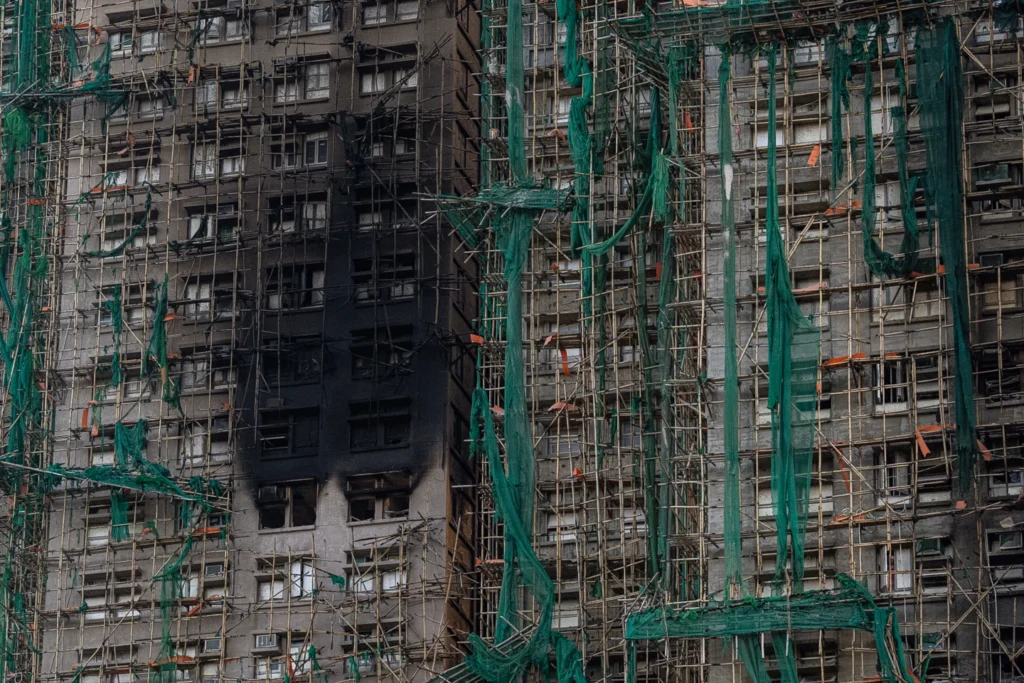
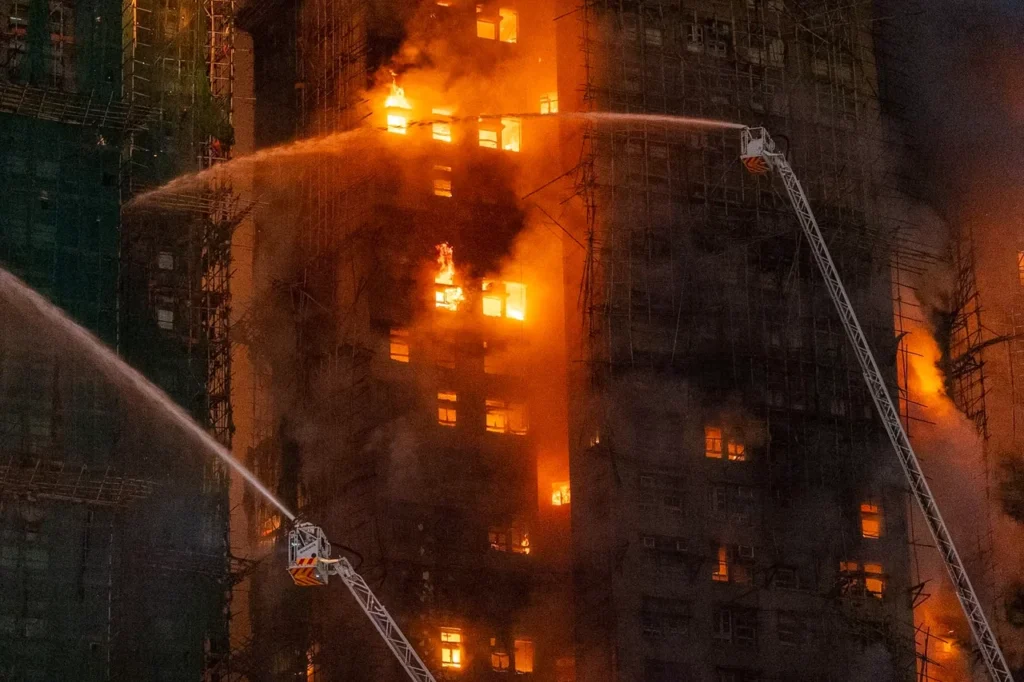
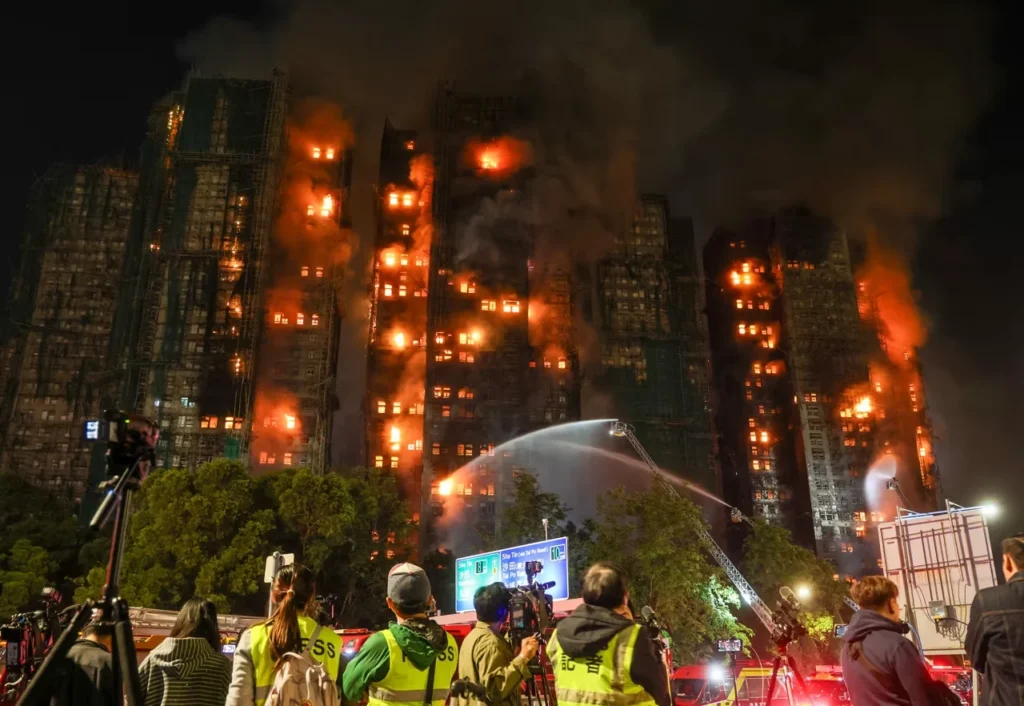
The blaze started on the scaffolding netting at Wang Fuk Court, then rapidly spread across seven of the eight towers. Foam panels near the windows intensified the flames. Glass shattered, and the fire moved inside homes, trapping residents. The complex housed many elderly people, migrant workers, and families. Firefighters rushed to the scene, but intense flames and thick smoke made rescue operations extremely difficult.
Authorities confirmed that it took more than 40 hours to fully extinguish the fire. Crews prioritized homes from which emergency calls were made. Sadly, one firefighter died, and several others were injured during the rescue operations. The scale of destruction shocked both residents and officials.
Negligence Allegations and Early Warning Signs
Residents had raised safety concerns nearly a year before the tragedy. They questioned the quality of scaffolding netting and foam panels used in the renovation. The labor department had carried out inspections and issued written warnings. However, it failed to target the netting during fire safety reviews. Transition words like “however” and “still” reveal that warnings were ignored despite clear danger signs.
Officials now admit that the fire likely started because of flammable materials. Safety netting and foam panels contributed to the rapid spread. Investigators say the materials ignited quickly, causing the fire to engulf several buildings. This event highlights the importance of proper regulation, trustworthy materials, and strict supervision.
Corruption Concerns in Construction Practices
Three men from a construction company were arrested for negligence and manslaughter. Soon after, seven men and one woman, including consultants and subcontractors, were arrested in a corruption probe. Investigators seized documents to examine whether safety standards were knowingly ignored for financial gain.
Reports showed that Prestige Construction & Engineering Company handled the renovation. The company had previous convictions and fines for safety violations. Authorities must now investigate whether profit was prioritized over public safety. This situation stresses the need for ethical construction practices, transparency, and corporate accountability.
Safety Systems Failed When Lives Depended on Them
During inspections after the fire, officials found that some fire alarms did not work. This critical failure prevented residents from evacuating in time. Older residents, children, and people with disabilities faced greater challenges to escape. Such system failures reveal a lack of maintenance, weak regulation, and poor emergency planning.
Strong fire safety systems save lives. They include functioning alarms, non-flammable materials, clear evacuation paths, and regular drills. Therefore, the tragedy warns that safety systems must be regularly tested, especially in large-scale residential complexes.
Emotional Toll on Families and Communities
Grief spread throughout Hong Kong as families waited to identify loved ones. People brought flowers, white roses, and carnations to honor the victims. A mother placing roses with her young children said she wanted them to understand the value of life. Her words touched many hearts.
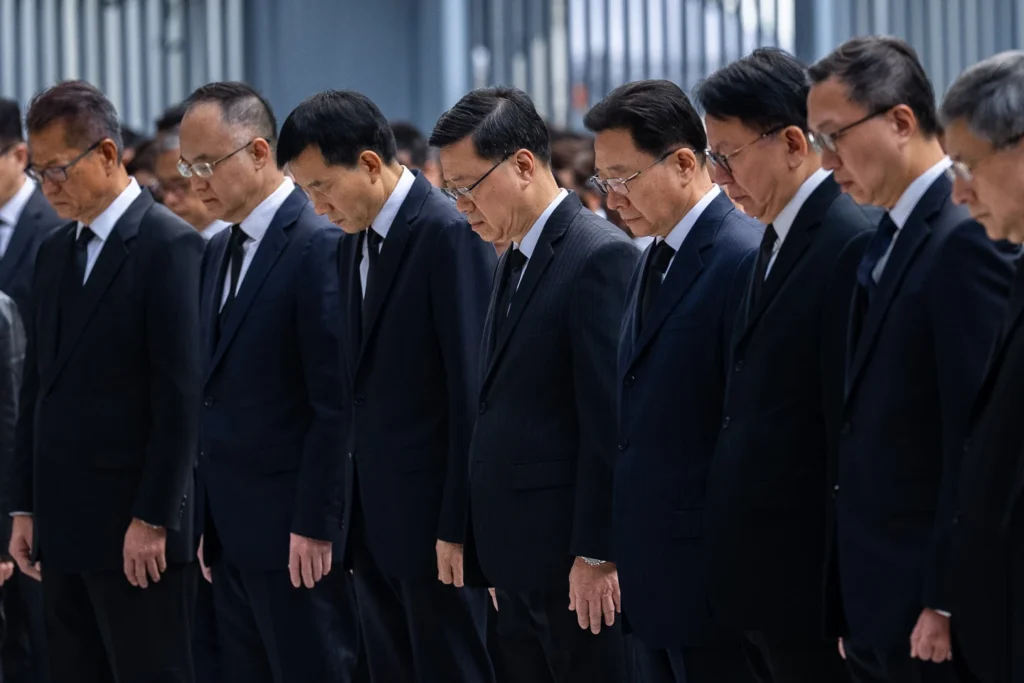
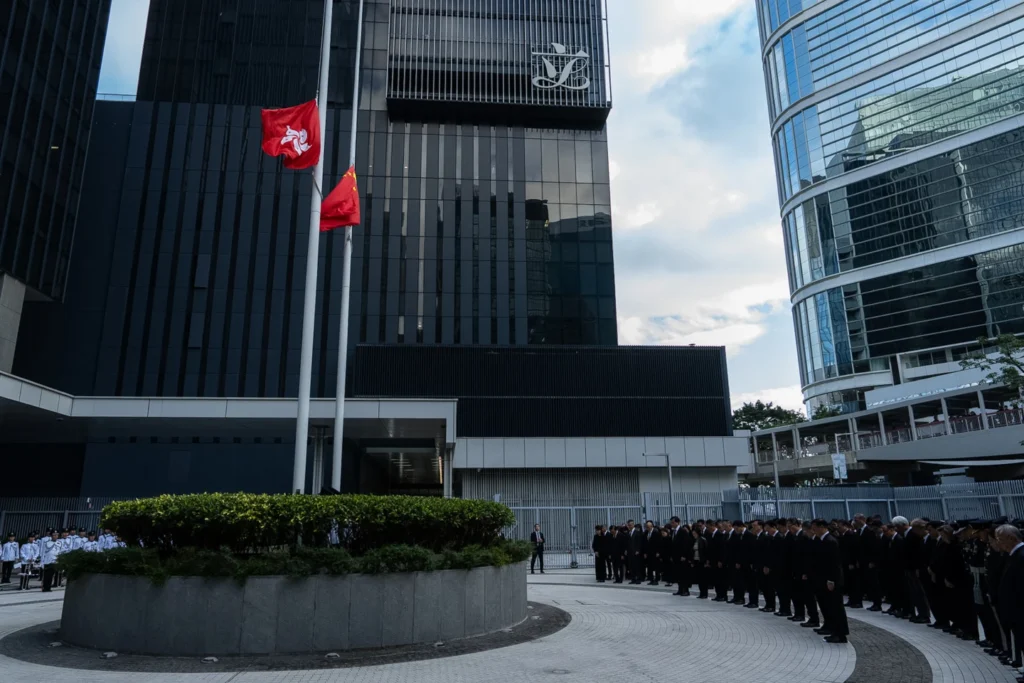
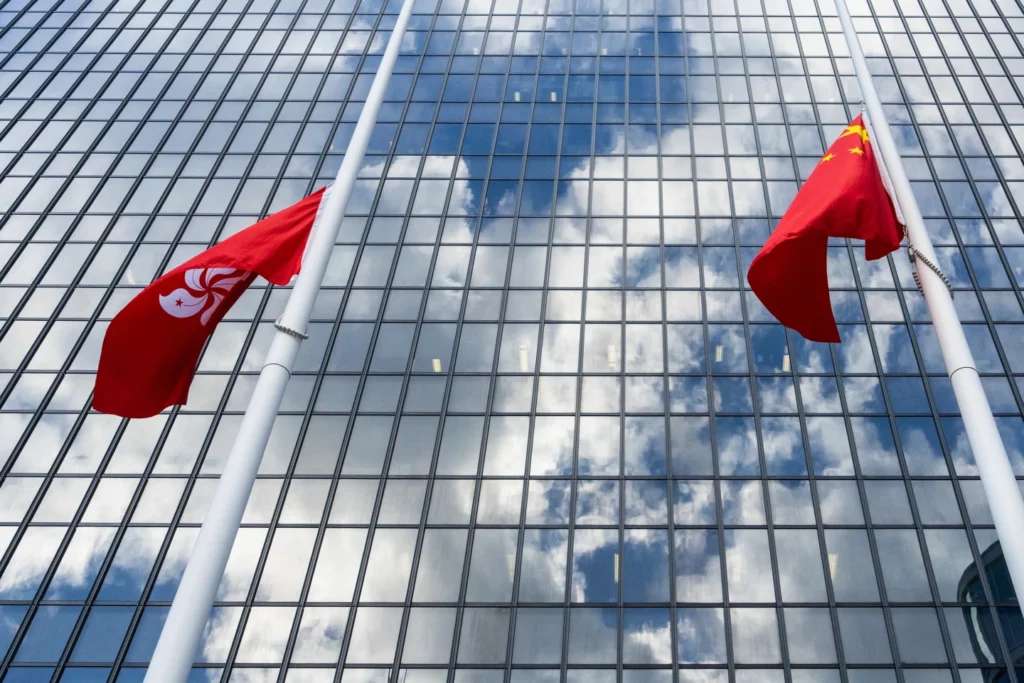
Flags were lowered to half-staff across the city. Leaders observed three minutes of silence. Communities gathered to mourn, support one another, and call for justice. The emotional impact of the Hong Kong Fire will likely remain for years.
Migrant Workers Among the Victims
The fire affected migrant workers as well. Two Indonesian citizens died, and eleven more were reported missing. Many migrant workers serve as domestic helpers in Hong Kong. They often live in employer-provided housing, including high-rise apartment complexes like Wang Fuk Court. This tragedy highlights the vulnerability of migrant workers and the need for better protection.
Lessons Learned and the Path Forward
Authorities now face a crucial question: How can such a disaster be prevented in the future? To move forward, Hong Kong must strengthen building codes, increase transparency in construction contracts, and enforce stricter fire safety standards. Regular inspections should focus on all materials, especially those used during renovations.
Contractors must follow high ethical standards and avoid cost-cutting at the expense of safety. Authorities should establish stronger whistleblowing channels for residents and workers to report violations. Technology such as heat sensors, digital alarms, and smart emergency alerts can help prevent tragedies.
Building Safer Communities Together
Hong Kong Fire teaches an important lesson: safety should never be compromised. Communities, contractors, and government agencies must work together. Strong regulation, timely inspections, and responsible leadership save lives. Every resident deserves housing that is safe, secure, and compliant with fire standards.
While the pain continues, Hong Kong has an opportunity to lead by example. Through accountability, compassion, and reform, the city can rebuild stronger and safer communities.






Leave a Reply