


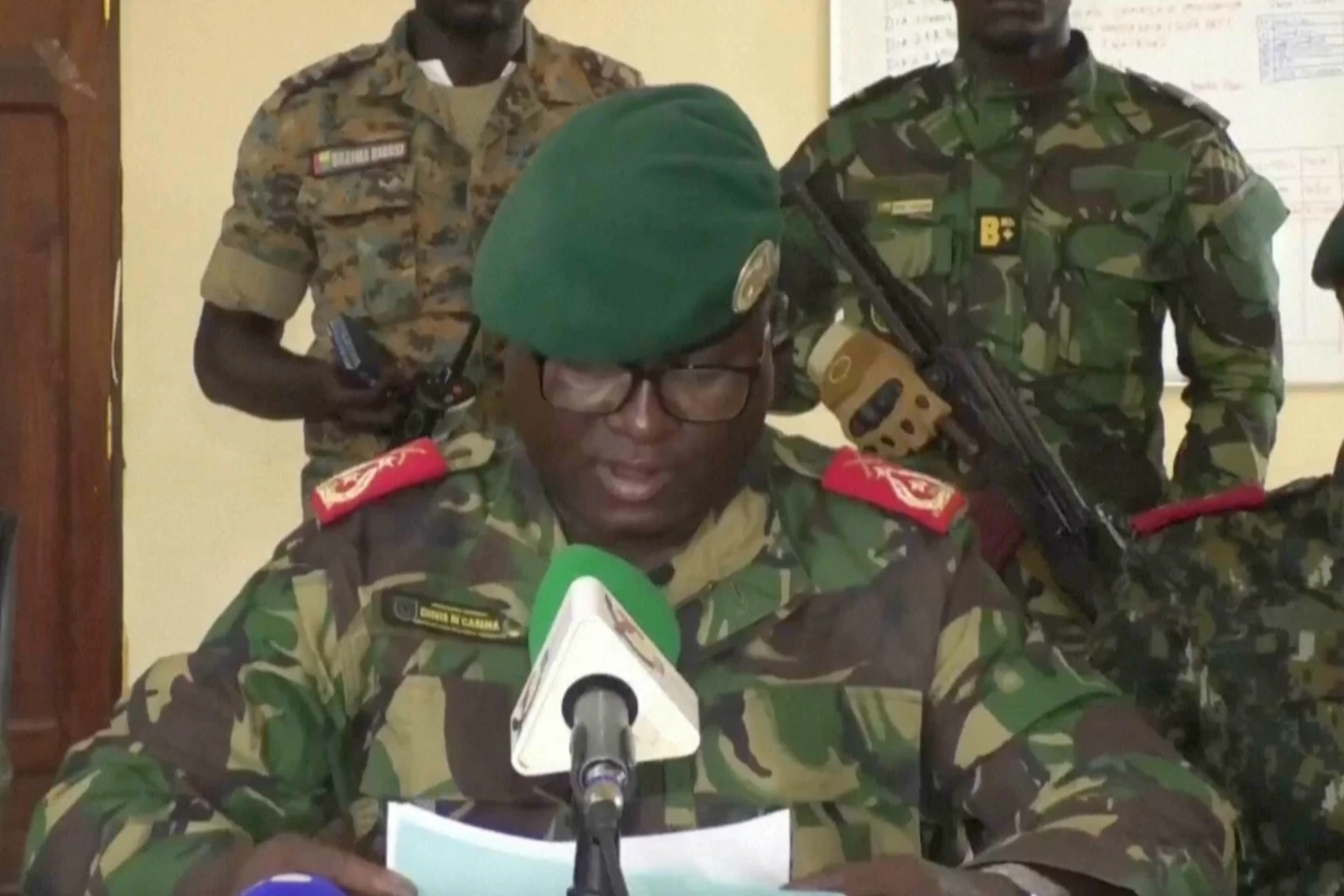
The Guinea-Bissau Coup erupted on Wednesday, shocking the nation just days after national elections. Soldiers appeared on state television to announce that they had taken control, suspended institutions, and deposed the president. Consequently, citizens and international observers voiced concern about democratic stability and national security in West Africa.
The Announcement and Immediate Actions
Military spokesperson Dinis N’Tchama told the nation that the High Military Command acted to “re-establish national and public order.” He claimed soldiers discovered a scheme by politicians, foreign nationals, and a drug lord aimed at destabilizing the country and manipulating election results.
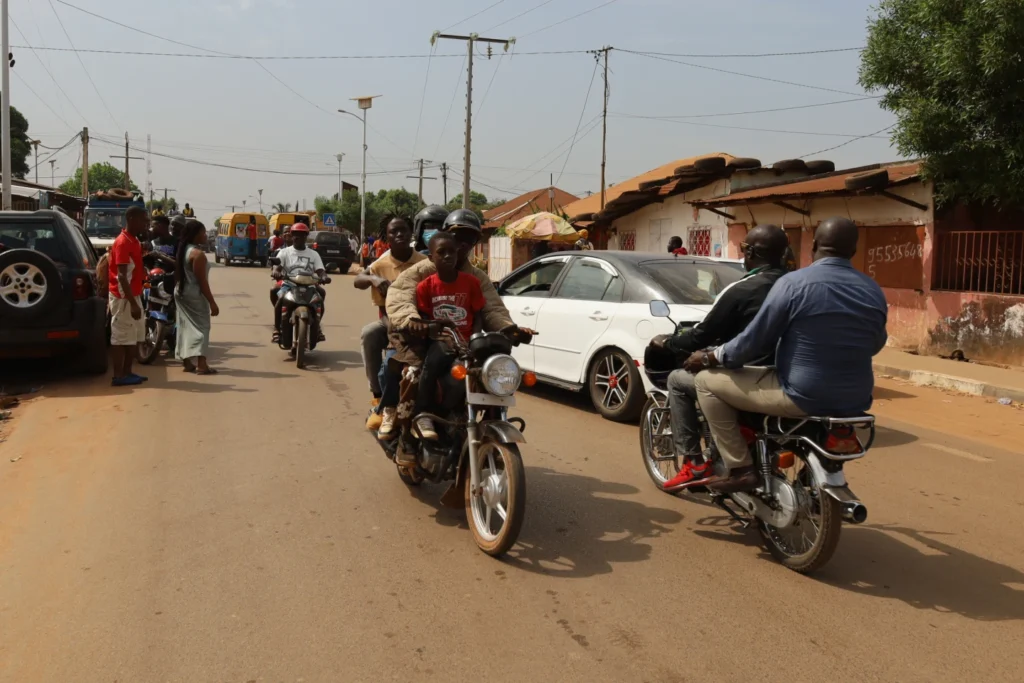
Immediately, the soldiers suspended the electoral process, closed all borders, and shut down media operations. Gunfire erupted near the presidential palace, while heavily armed, masked troops blocked access to key roads. President Umaro Sissoco Embaló confirmed to French media that the military deposed him but stated he had not suffered any violence.
Moreover, the coup heightened tensions, as both presidential candidates claimed victory before official results were released. This confusion contributed to the military’s justification for intervention.
Arrests and Political Fallout
The military arrested key political figures, including opposition candidate Fernando Dias and former Prime Minister Domingos Simões Pereira. Pereira led the African Party for the Independence of Guinea and Cape Verde and had been barred from elections due to administrative issues. Later, he endorsed Dias.
Civil society groups, however, accused Embaló and the army of staging a “simulated coup” to prevent the publication of election results. Consequently, public distrust grew, and political uncertainty escalated.
Historical Context of Coups in Guinea-Bissau
Guinea-Bissau has experienced four successful coups and several attempted ones since independence. Drug trafficking and political instability have worsened the situation, making the country a hub for illegal activities between Latin America and Europe.
The Guinea-Bissau Coup occurred three days after the presidential and legislative elections. Both Embaló and Dias claimed victory, while official provisional results remained pending. Therefore, the military framed its actions as necessary to preserve order.
International Reactions
The United Nations expressed “deep concern” over the coup. UN Secretary-General António Guterres called on all parties to exercise restraint and respect the rule of law.
Regional organizations, including the African Union and ECOWAS, condemned the takeover as an attempt to disrupt democracy. They demanded the immediate release of detained election officials and the reinstatement of constitutional governance.
Security and Military Dynamics
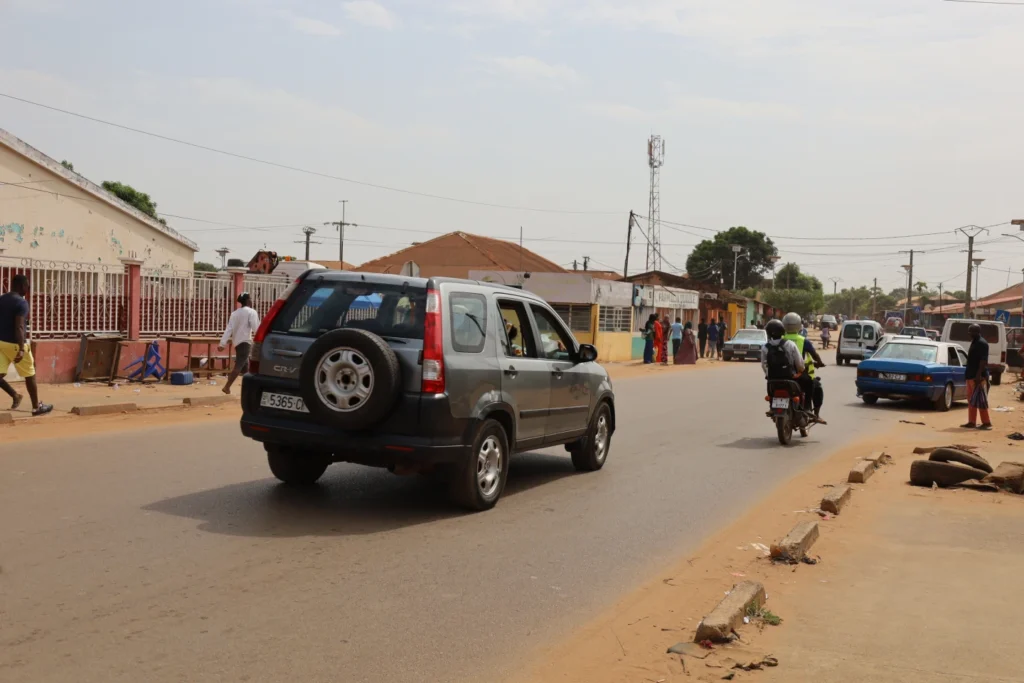
Gunfire erupted near the presidential palace and the National Electoral Commission. Soldiers deployed checkpoints and restricted access to critical government buildings. According to military officials, these measures aimed to prevent electoral manipulation and maintain public order.
West Africa has witnessed several coups since 2020. Mali, Niger, and Burkina Faso now operate under military governments that justified their actions by citing security threats and governance failures. Similarly, Guinea-Bissau’s soldiers claimed they intervened to stabilize the country.
Electoral Disputes and Legitimacy Issues
President Embaló faced legitimacy challenges before the coup. Although the constitution sets the presidential term at five years, the opposition argued his tenure ended in February 2025. The Supreme Court extended it to September, but elections were delayed until November. This dispute fueled tension, leading both candidates to claim victory prematurely.
As a result of the military intervention, the election process stalled, raising questions about transparency, fairness, and the nation’s democratic future.
Regional Implications
The Guinea-Bissau Coup underscores the fragility of West African democracies. Recent coups in Guinea (2021) and Gabon (2023) highlight a disturbing trend of military takeovers following disputed elections. Military leaders often justify their actions as responses to corruption, insecurity, or governance failures.
These coups erode investor confidence, weaken regional cooperation, and threaten long-term development. Consequently, international organizations such as ECOWAS and the African Union insist on restoring civilian rule.
Civil Society and Public Response
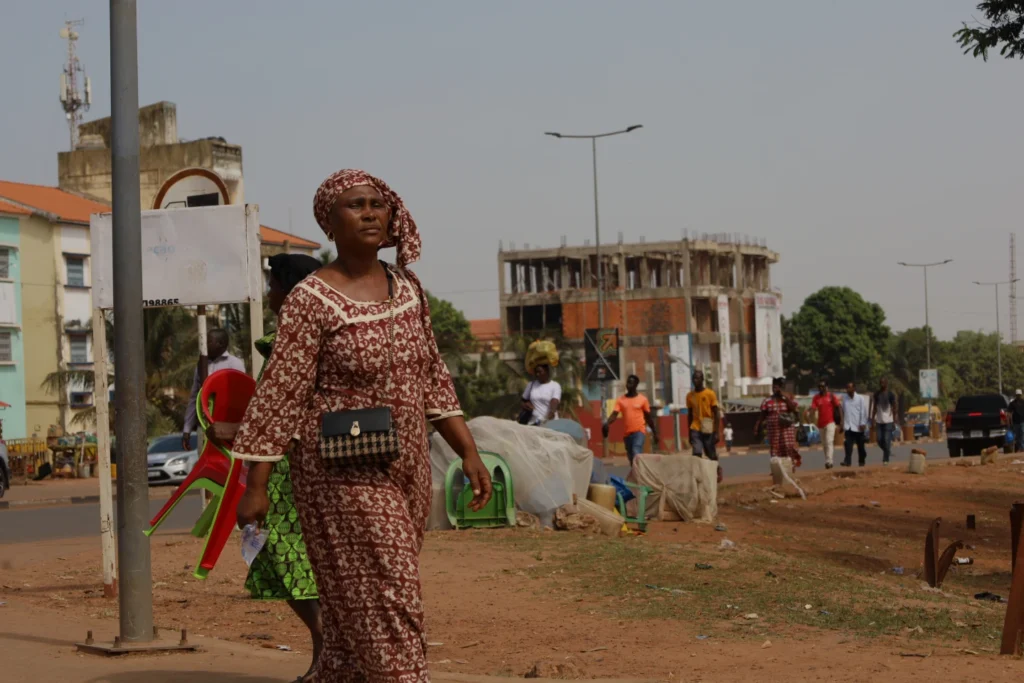
Domestic reactions remain divided. Some citizens supported the military’s claims of preventing electoral fraud and restoring order. Others criticized the takeover as anti-democratic, accusing the government of using force to maintain power.
The Popular Front coalition warned that delaying election results could further erode public trust and destabilize the nation. Therefore, restoring constitutional procedures quickly became a priority for both domestic and international stakeholders.
Moving Forward
The Guinea-Bissau Coup leaves the country at a critical crossroads. Restoring constitutional governance, releasing political detainees, and resuming transparent elections must occur urgently. Meanwhile, international pressure and mediation may influence the military’s decisions and timelines.
Long-term stability will depend on credible elections, strong institutions, and public trust. Citizens must witness fair, transparent, and accountable governance to prevent future military interventions. Additionally, regional support may help Guinea-Bissau navigate its political crisis and maintain security in West Africa.
Finally, the military’s presence, suspended media, and travel restrictions remind the nation of the fragility of democracy. Leaders, citizens, and international observers continue to watch developments closely, hoping for a peaceful resolution that protects democratic institutions.


Leave a Reply