


The Russia-Ukraine peace talks have gained new momentum as the Kremlin confirmed that US special envoy Steve Witkoff will visit Moscow next week. This development comes as diplomatic efforts to end the nearly four-year-long conflict in Ukraine intensify, signaling possible progress toward a negotiated settlement.
US Envoy Set to Visit Moscow
Yuri Ushakov, Russian President Vladimir Putin’s foreign affairs adviser, acknowledged that although the Kremlin has not officially received the initial US peace proposal, it has seen a leaked version. According to Ushakov, discussions are ongoing through various communication channels, yet formal negotiations at a roundtable have not begun.
The recent talks held in the United Arab Emirates included representatives from the United States, Russia, and Ukraine. The presence of key international negotiators indicates a broader diplomatic push to explore potential avenues for peace.
Ukraine’s Position Remains Cautiously Optimistic
While the Kremlin confirmed Witkoff’s visit, Kyiv did not officially confirm whether US Army Secretary Dan Driscoll would be arriving in the coming days. However, Ukrainian President Volodymyr Zelenskyy has said that parts of Trump’s plan could be “workable,” signaling a cautiously optimistic stance.
Officials in Ukraine are hoping to ensure that any agreement preserves national sovereignty, security, and territorial integrity. Although some key elements of the proposal remain unresolved, Ukrainian representatives believe that diplomacy could create a path forward.
Russia’s Cautious Approach to Peace
Kremlin spokesperson Dmitry Peskov emphasized it is too early to declare that peace is within reach. He said many actors across different nations may attempt to disrupt peace efforts. Although talks are progressing, Russia remains cautious, stressing that concrete outcomes cannot be predicted at this stage.
Peskov’s comments suggest that while Russia is open to discussions, it remains wary of external influence and political maneuvering.
Allegations and Diplomatic Tensions
A recent report claimed that Witkoff advised Ushakov on how Putin could present the peace plan to Trump. Trump called this “standard” negotiation strategy and emphasized the role of a dealmaker in crafting compromises that both Ukraine and Russia could accept.
However, the Kremlin downplayed the significance of the leaked report. Witkoff’s role illustrates Washington’s growing involvement in shaping diplomatic conversations and attempting to bridge differences between the warring parties.
Escalation in Zaporizhzhia
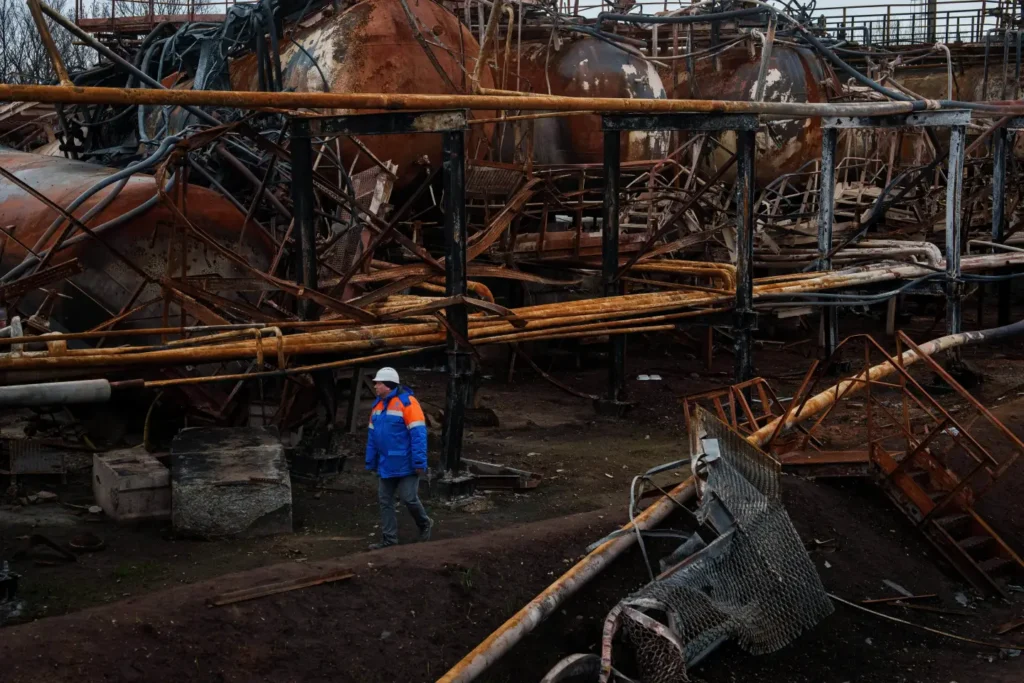
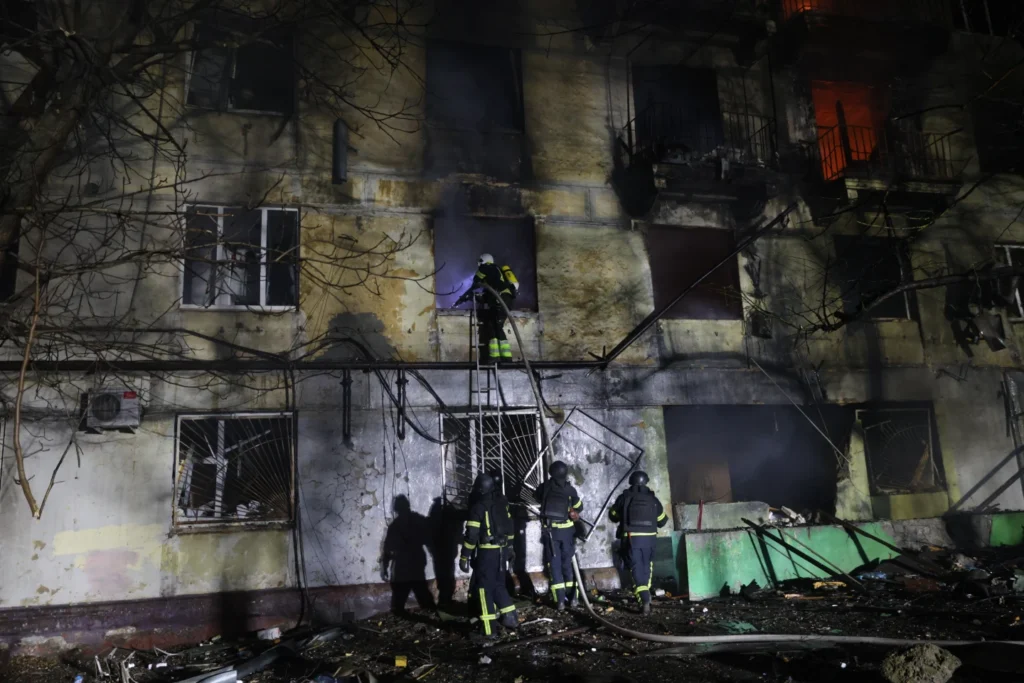
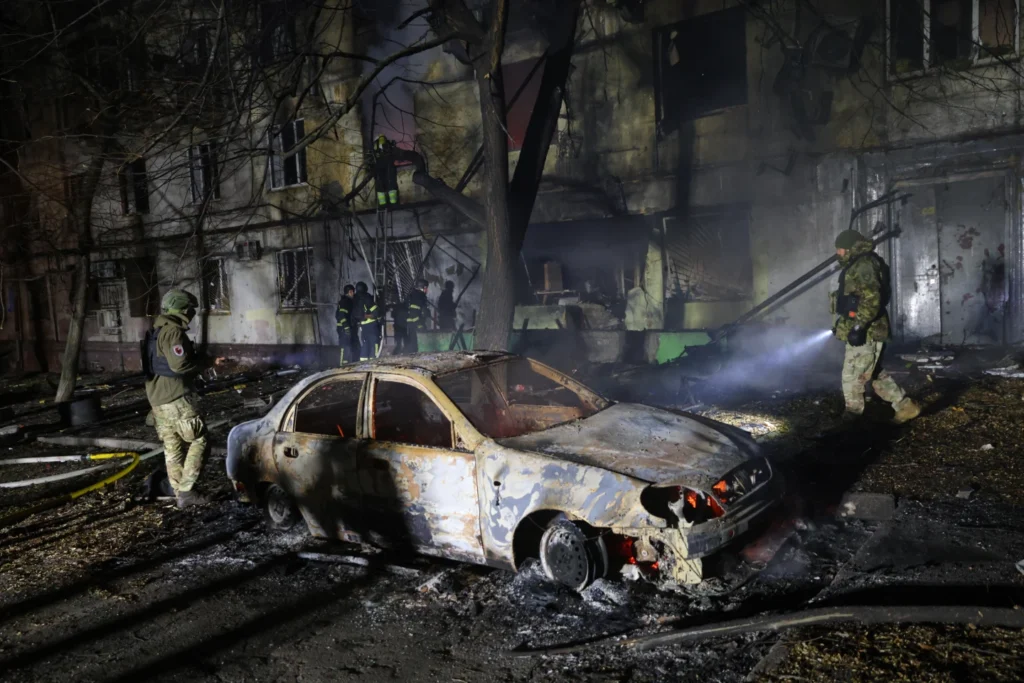
Despite diplomatic progress, hostilities continue on the ground. The southern Ukrainian city of Zaporizhzhia experienced a large Russian drone attack that damaged more than 50 residential structures, including a university dormitory. At least 19 people were injured, highlighting the ongoing human toll of the conflict.
Meanwhile, Ukrainian forces struck a manufacturing plant in Cheboksary, Russia, which produces missile equipment. Both sides continue to show military strength, even as diplomatic efforts intensify.
Europe Insists on a Strong Role
European leaders are pushing to ensure that they are not sidelined in the ongoing Russia-Ukraine peace talks. German Chancellor Friedrich Merz argued that any peace agreement must include approval from both Ukraine and European nations. He stressed that Europe must be treated as a sovereign actor in the process.
European Commission President Ursula von der Leyen expressed optimism, stating that there is a “real opportunity” to make progress. She insisted that any settlement must include strong security guarantees for Ukraine. She also emphasized that Ukraine’s path to NATO membership must not be blocked and that there should be no limitations on Ukraine’s armed forces.
European Concerns Over Russia’s Intentions
EU diplomat Kaja Kallas voiced skepticism about Russia’s willingness to negotiate sincerely. She argued that Russia is intensifying military efforts rather than reducing them. According to her, diplomatic talks must be backed by strong economic measures such as sanctions and asset seizures.
Kallas reiterated that efforts must shift from “pretend negotiations” to genuine pressure that pushes Russia toward real engagement in the peace process.

Diplomatic Challenges Ahead
While diplomatic talks signal positive movement, concrete agreements are still distant. The US appears to be taking the lead in mediation, but European nations are determined to secure their place at the table. Meanwhile, Ukraine aims to protect its sovereignty, while Russia remains cautious of any agreement that may restrict its strategic interests.
A meaningful settlement will require commitments from all involved parties. It must ensure security, accountability, and stability across the region. Any agreement that fails to address these concerns will not provide lasting peace.
Hope for a Diplomatic Breakthrough
As the Russia-Ukraine peace talks gather momentum, there is renewed hope for an eventual end to the conflict. However, both sides continue military operations, and trust remains limited. The coming weeks, particularly the results of the US envoy’s visit to Moscow, will likely shape the next phase of negotiations.
Although peace might not be immediate, the growing willingness to engage in high-level diplomacy suggests that meaningful progress is possible.

Leave a Reply