


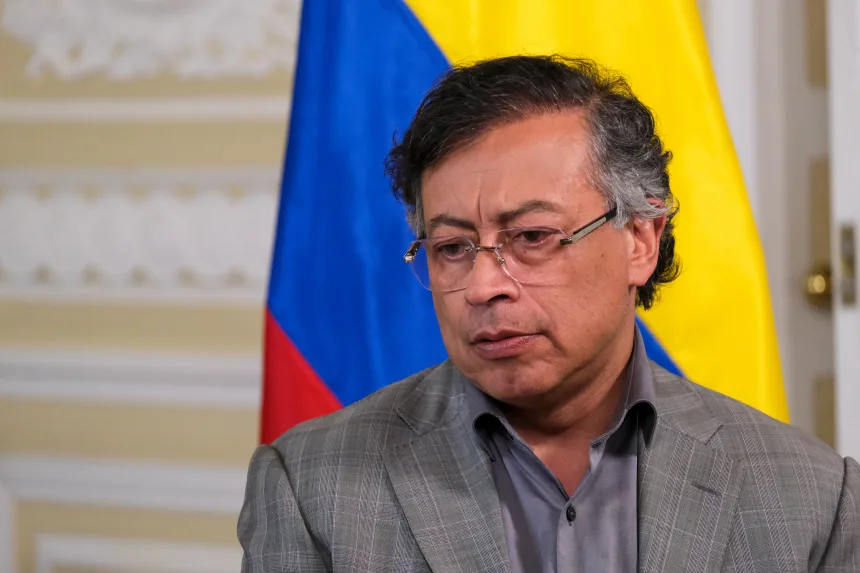
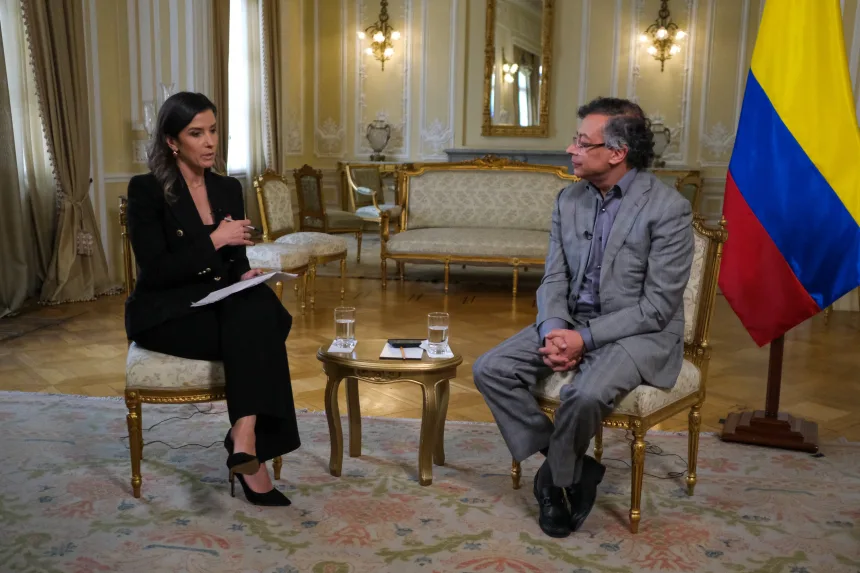
The US pressure on Venezuela is primarily driven by oil interests, according to Colombian President Gustavo Petro. In a recent interview, Petro revealed that Venezuela’s vast oil reserves are central to Washington’s strategy, rather than concerns about narcotics or democracy.
Oil at the Core of the Tension
Petro stated that oil is “at the heart of the matter,” referring to the US efforts to exert pressure on Venezuela. He emphasized that Venezuela holds the world’s largest oil reserves, making it a highly strategic asset. According to him, Washington’s actions are far more aligned with economic interests than with democratic values or anti-narcotics goals.
Questioning the US Narrative
Petro challenged the claim that Venezuela is a major player in the global drug trade. He asserted that only a small portion of the global drug supply flows through the country. He further argued that Colombia, not Venezuela, is the world’s largest cocaine producer. United Nations data confirms that Venezuela does not produce cocaine, whereas Colombia accounts for more than two-thirds of global supply.
Petro’s Clashes with Washington
Since his return to office, Petro has frequently criticized US policies, including military operations, immigration decisions, and international relations. His disputes with the Trump administration have led to diplomatic tensions, with Washington imposing sanctions and revoking his US visa. Petro claimed that these actions stem from political disagreements, not drug enforcement concerns.
Accusations of Imperialism
Petro accused the United States of exercising imperial-style influence over Latin American nations. He argued that the US should act as one nation among many, rather than a dominant force. He warned that attempts to impose political will could damage long-standing partnerships across the region.
Sanctions and Diplomatic Fallout
In October, Washington accused Petro of involvement in illicit drug trade, a claim he rejected. Soon after, President Trump threatened to halt financial aid to Colombia, criticizing Petro’s efforts against narcotics. Petro defended his record, noting that his administration had seized more cocaine than any previous government. He pointed out that while crop production remained stable, arrests and seizures increased significantly.
Comparing Petro with Maduro
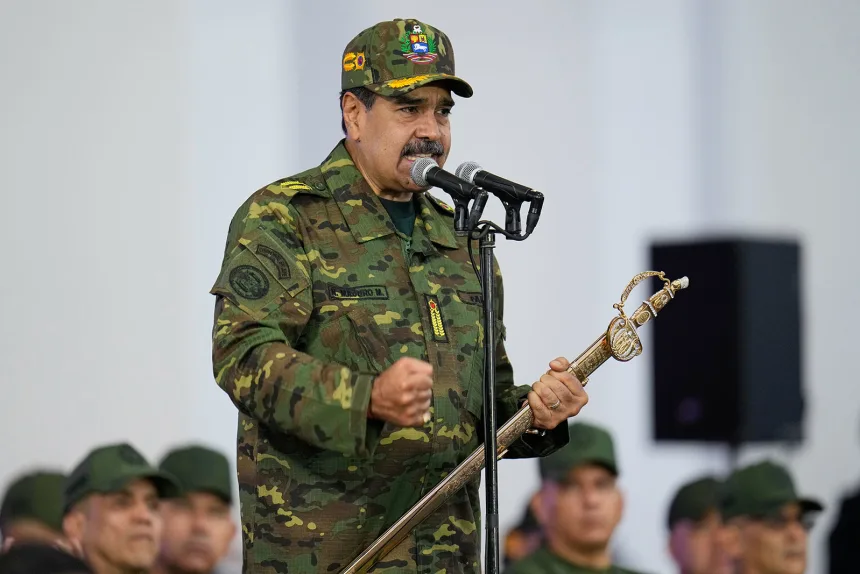
Petro claimed that US leaders often lump him with Venezuelan President Nicolás Maduro. However, he stressed that the two leaders are fundamentally different. Petro argued that Maduro’s main issue is the lack of democracy, not narcotics trafficking. He said that no Colombian investigation had proven any link between Maduro and the drug trade.
According to the US Drug Enforcement Agency, 84% of the cocaine seized in the US originates from Colombia. This further supports Petro’s argument that Venezuela is not a significant producer.
Allegations of Corruption and Collaboration
Over the weekend, Colombian media revealed alleged links between Colombian officials and dissidents of the former FARC rebel group. Reports claimed that military officials shared sensitive information to help traffickers evade detection. Petro acknowledged that corruption has existed for years but insisted that his administration is committed to reform.
US Expected to Investigate Further
In response to the reports, the US State Department urged Petro to fully investigate the allegations. Washington stressed that cooperation in law enforcement remains vital to maintaining bilateral relations.
Strong Ties Despite Tensions
Despite increasing political tension, the US-Colombia strategic partnership remains strong. Colombia continues to be a key non-NATO ally. US Secretary of State Marco Rubio confirmed that the administration’s concerns relate to Petro personally, not to Colombia’s democratic institutions or its people.
Oil, Politics, and Power
The US pressure on Venezuela appears to be shaped by a combination of oil interests and geopolitical strategy. As global demand for energy grows, Venezuela’s vast reserves present an attractive opportunity. Petro believes that this reality plays a central role in Washington’s foreign policy approach.
Conclusion
The debate over US pressure on Venezuela reveals a complex mix of oil, diplomacy, and political power. Petro’s claims challenge traditional narratives, encouraging deeper discussion on Latin America’s role in global politics. While alliances remain intact, growing tensions show how energy and strategy influence international relationships.


Leave a Reply